The short answer is yes—power capacitors are genuinely useful for power factor correction. In fact, they remain the most common and cost-effective solution for addressing poor power factor in industrial and commercial settings. But like most things in electrical engineering, the full picture involves some nuance worth understanding.
Power factor problems affect countless facilities without their operators even realizing it. Motors run, equipment operates, production continues—but behind the scenes, the electrical system draws more current than necessary. Utility bills creep higher. Equipment runs warmer than it should. And in some cases, penalty charges show up on monthly invoices. A power capacitor installation addresses these issues directly, though understanding why requires looking at what’s actually happening electrically.
Table of Contents
Understanding What Power Capacitor Units Actually Do
Electrical loads fall into different categories based on how they interact with AC power. Resistive loads like heaters and incandescent bulbs draw current that stays in phase with voltage. Inductive loads—motors, transformers, magnetic ballasts—cause current to lag behind voltage. This lag creates reactive power that doesn’t perform useful work but still flows through the system.
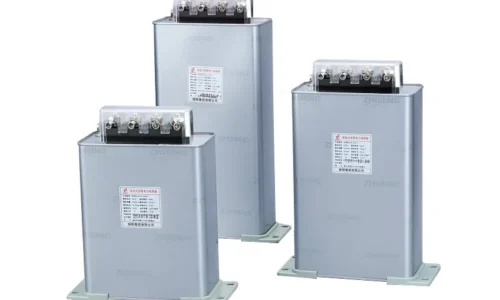
A power capacitor provides capacitive reactive power, which leads voltage rather than lagging it. When properly sized, this leading reactive power cancels out the lagging reactive power from inductive loads. The result is current that more closely aligns with voltage, improved power factor, and reduced overall current flow.
The physics here aren’t particularly complicated, honestly. Capacitors store and release energy in a way that complements inductive behavior. They’ve been used for this purpose since the early days of AC power systems. The technology is mature, well-understood, and proven effective across millions of installations worldwide.
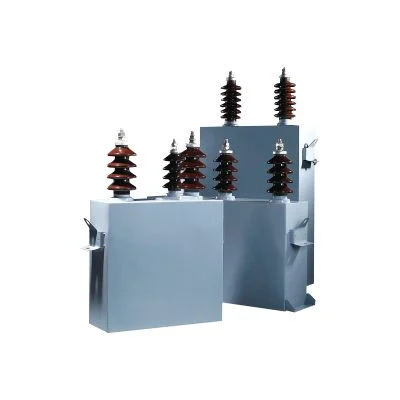
Real Benefits of Using Power Capacitor for Correction
Reduced Utility Costs
This benefit tends to get the most attention, and for good reason. Poor power factor increases current flow, which increases losses throughout the electrical system. Utilities often charge industrial customers based on both real power (kW) and apparent power (kVA) or impose direct power factor penalties.
Installing appropriate power capacitor equipment typically delivers:
- Lower demand charges due to reduced kVA
- Elimination or reduction of power factor penalties
- Decreased energy losses within the facility
- Payback periods often under two years
Increased System Capacity
Higher current draw from poor power factor consumes capacity in transformers, cables, and switchgear. Correcting power factor frees up this capacity without upgrading equipment. A facility operating at 0.70 power factor that improves to 0.95 effectively gains about 26% additional capacity from existing infrastructure.
This matters particularly when facilities want to add loads but face transformer limitations. Sometimes installing power capacitor banks costs far less than upgrading electrical service.
Improved Voltage Regulation
Current flowing through cables and transformers creates voltage drop. Higher currents from poor power factor mean greater voltage drop. Equipment at the end of long cable runs may experience voltage below optimal levels.
Power factor correction reduces current, which reduces voltage drop. Voltage stability improves throughout the facility. Motors run more efficiently. Sensitive equipment operates more reliably.
Comparing Power Capacitor Solutions to Alternatives
| Correction Method | Initial Cost | Effectiveness | Best Application |
|---|---|---|---|
| Power Capacitor Banks | Low to moderate | High | Most industrial/commercial facilities |
| Synchronous Condensers | High | Very high | Large industrial plants, utilities |
| Active Power Filters | Very high | Excellent | High-harmonic environments |
| Synchronous Motors | Moderate | Good | Facilities with large motor loads |
Power capacitor solutions dominate the market for straightforward reasons—they work well and cost less than alternatives. Synchronous condensers and active filters have their place in specific applications, but capacitors handle the vast majority of power factor correction needs effectively.
When Power Capacitor Installation Makes Most Sense
Not every facility benefits equally from power factor correction. The investment makes clear sense when:
- Current power factor falls below 0.85 or so
- Utility bills include power factor penalties or high demand charges
- Electrical system capacity is constrained
- Facility has significant motor loads or other inductive equipment
- Future expansion plans face infrastructure limitations
Smaller facilities with predominantly resistive loads may see less benefit. The math still works in many cases, but payback periods extend and urgency decreases.
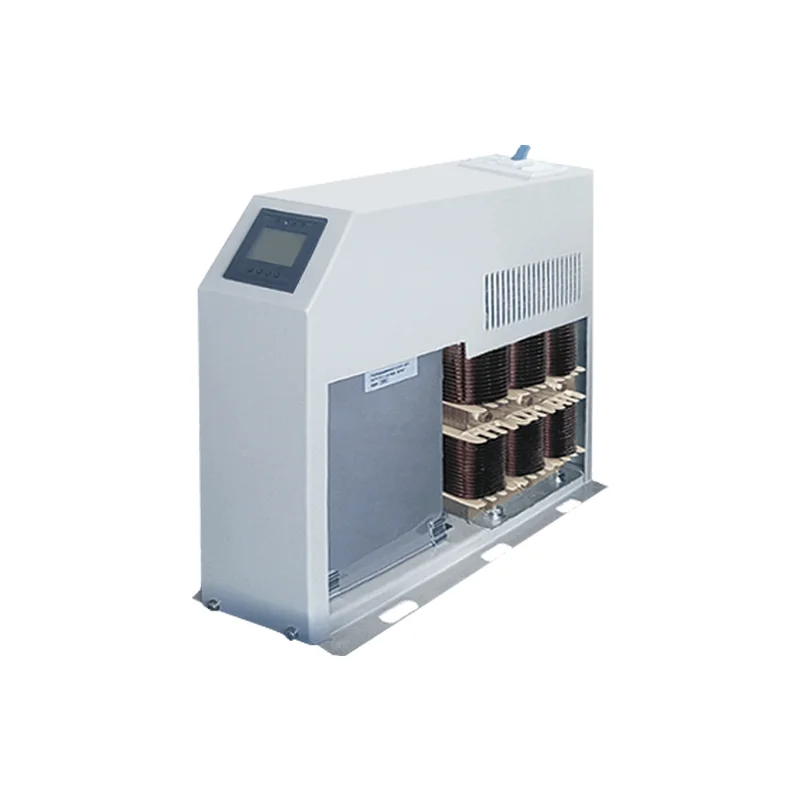
Fixed vs. Automatic Systems
Fixed power capacitor installations suit facilities with steady, predictable loads. The capacitor remains connected continuously, providing constant correction. Simple, reliable, minimal maintenance.
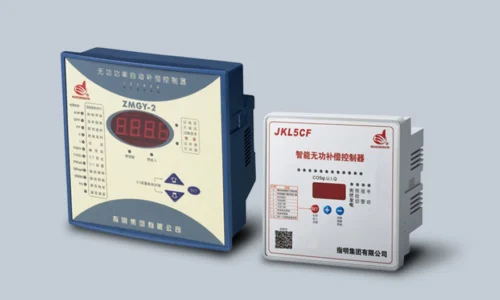
Variable loads require more sophisticated approaches. Automatic capacitor banks monitor power factor in real time and switch capacitor stages on and off as needed. This prevents overcorrection during light load periods—a genuine concern since leading power factor causes problems of its own.
Limitations Worth Acknowledging
Power capacitor technology isn’t perfect, though the limitations are manageable in most cases:
- Harmonic resonance can occur in systems with significant harmonic distortion
- Capacitors degrade over time and eventually require replacement
- Switching transients may affect sensitive equipment
- Overcorrection creates leading power factor issues
Facilities with substantial harmonic content from variable frequency drives, large UPS systems, or similar equipment may need detuned reactors alongside capacitors. This adds cost but prevents resonance problems that could damage equipment or disrupt operations. If you want to know more about power capacitor, please read about What is a power factor capacitor.
FAQ
How quickly do power capacitors pay for themselves?
Payback periods vary based on utility rate structures, existing power factor, and installation costs. Typical industrial installations see payback in 12-24 months through reduced demand charges and penalty elimination. Facilities with particularly poor power factor or high penalty rates sometimes recover costs in under a year. The economics generally favor correction whenever power factor drops below 0.90 or utilities impose penalties.
Do power capacitors require much maintenance?
Maintenance requirements are minimal compared to most electrical equipment. Periodic inspection for signs of swelling, leakage, or discoloration is advisable. Connections should be checked for tightness. Automatic systems need controller verification occasionally. Most quality power capacitor units operate for years without significant attention, though monitoring their condition helps catch problems before failures occur.
Can power capacitors damage other equipment?
When properly selected and installed, no. Problems arise primarily from improper sizing (overcorrection), harmonic resonance, or installation errors. Working with qualified engineers or contractors who understand power factor correction prevents most issues. Switching transients can affect sensitive electronics in some cases, but appropriate contactors and snubber circuits mitigate this concern effectively.