A pf capacitor helps fix power factor in electrical systems. You can make things work better and save money with this device. People use pf capacitors in factories and big buildings. You must put them in the right way to get good results.
Table of Contents
PF capacitor basics
What is a PF capacitor
You see the term “PF capacitor” in big electrical systems. PF means “power factor.” A PF capacitor is a special device. It helps make the power factor better in a circuit. You use it to help your system work well. A capacitor stores and releases electrical energy. When you add a capacitor, it helps balance electricity flow. This makes machines use less energy. It also cuts down on waste.
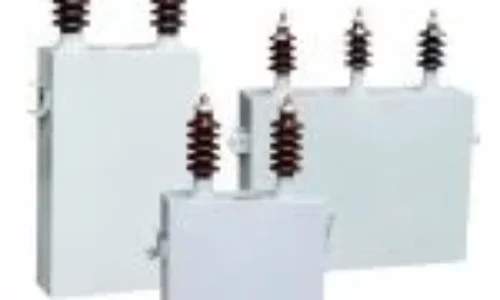
Many factories and large buildings have PF capacitors in power panels. These devices help you avoid extra charges from the utility company. If your power factor is low, you pay more for electricity. Using a capacitor keeps your power factor good. You save money. Besides standard PF capacitors, different types are used depending on the system voltage. For example, a High Voltage Power Capacitor is often used in large industrial plants and transmission networks to handle higher energy demands.
Tip: If you run a place with lots of motors or heavy machines, think about using PF capacitors. They help your system work better.
How a PF capacitor works
To know how a PF capacitor works, you need to learn about electricity flow. In a circuit, there is real power and reactive power. Real power does the work, like running motors or lights. Reactive power does not do useful work. But some equipment needs it to run. Motors and transformers make reactive power. This can lower your system’s efficiency.
A PF capacitor gives leading current. This means it sends current before the voltage. It cancels out some lagging current from motors and other devices. Adding a capacitor lowers reactive power in your system. This is called power factor correction.
Here is an easy way to see it:
- Without a PF capacitor: Your system has extra reactive power. Your equipment uses more current than needed.
- With a PF capacitor: The capacitor gives some reactive power. Your equipment uses less current from the source.
| Without PF Capacitor | With PF Capacitor |
| More reactive power | Less reactive power |
| Higher energy waste | Lower energy waste |
| Lower power factor | Higher power factor |
Adding a PF capacitor makes your system work better. You use less energy. Your equipment runs smoother.
Why power factor matters
Power factor shows how well you use electricity. A high power factor means most electricity does useful work. A low power factor means much electricity is wasted as reactive power. This can make your bills higher. You may even get penalties from the utility company.
Power factor correction helps you:
- Pay less for energy
- Lose less power in your system
- Avoid extra charges from the utility company
- Make your equipment last longer
Reactive power does not do useful work. In practical distribution systems, the choice of capacitor depends on the operating voltage level. A Low Voltage Power Capacitor is commonly applied in commercial buildings and small factories to improve power factor at the distribution level. But it still moves through wires and equipment. This extra flow can heat up cables and transformers. Over time, this can cause damage. Using a PF capacitor or pfc capacitor lowers reactive power. It helps protect your equipment.
Note: Many companies in manufacturing, data centers, and real estate use power factor correction. It helps them work better and save money.
When you know how a PF capacitor works and why power factor matters, you can make smart choices for your business. You boost your system’s performance and save money over time.
Power factor correction in electrical systems

Role of PF capacitors in power factor correction
A pf capacitor helps make power factor correction better in your circuit. When you add a capacitor, it helps balance reactive power. This lets your system use energy in a smarter way. Motors and transformers can make too much reactive power. You can lower this with a pfc capacitor. Less reactive power means your circuit works better. You also stop wasting energy. Many companies use power factor correction to save money and keep equipment safe.
If you want your machines to work well, think about power factor correction. This step helps you avoid extra charges and keeps your system safe.
Placement and installation
You must put a pf capacitor in the right spot for best results. Most companies place capacitors close to big motors or inside main power panels. You can also see them in distribution boards. Trained electricians do the installation. They look at your circuit and pick the best spot for each capacitor. You should never put in a capacitor without expert help. Good placement helps you get the most from power factor correction.
| Location | Who Installs | Why It Matters |
| Power panels | Electricians | Improves efficiency |
| Near motors | Electricians | Reduces reactive power |
| Distribution boards | Electricians | Protects equipment |
Maintenance tips
You need to check your capacitors often. Dust, heat, and water can hurt them. Ask your maintenance team to look at each capacitor every few months. Watch for signs of damage or overheating. Change any broken units right away. Clean around your capacitors to stop problems. Regular checks help power factor correction work well. You protect your circuit and avoid big repair bills.
Tip: Plan regular checks for all capacitors. This step keeps your system safe and working well.
Conclusion

You get many good things when you use a capacitor for power factor correction. A capacitor helps your system work better. It also saves energy. You keep your equipment safe and avoid extra costs. Always put each capacitor in the right way. Check every capacitor often. This keeps your electrical system safe and working well.