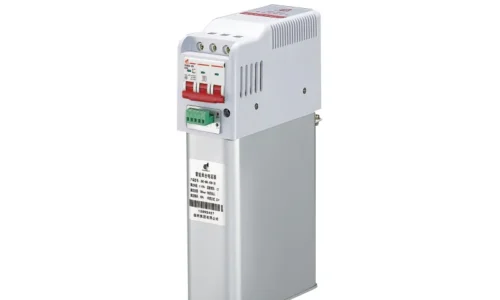
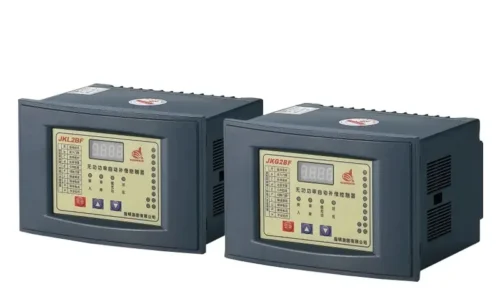
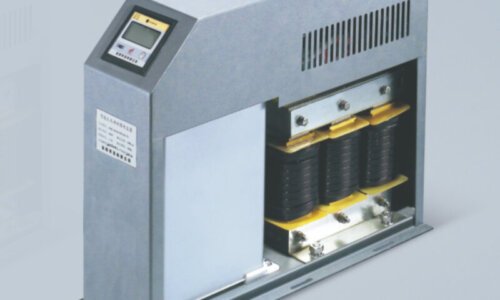
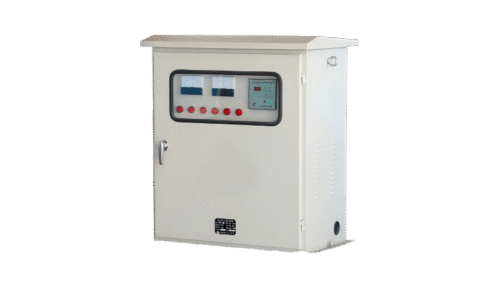
It’s a fair question. Walking through a trade show or browsing industrial supply sites, one might stumble upon sleek boxes promising to slash electricity bills by “correcting” the home or factory power supply. The marketing can be compelling, almost too good to be true. And in many cases, it is. So, the real conversation around whether power factor correction devices work needs to separate the simple physics from the overblown sales pitch.
The honest answer is that the power factor correction device absolutely works—in the right context. The principle is sound. These devices, typically capacitor-based, are designed to reduce the amount of reactive current flowing in the wires. But a small plug-in unit for a house operates very differently from an industrial-grade automatic bank. And confusing the two is where expectations tend to go off the rails.
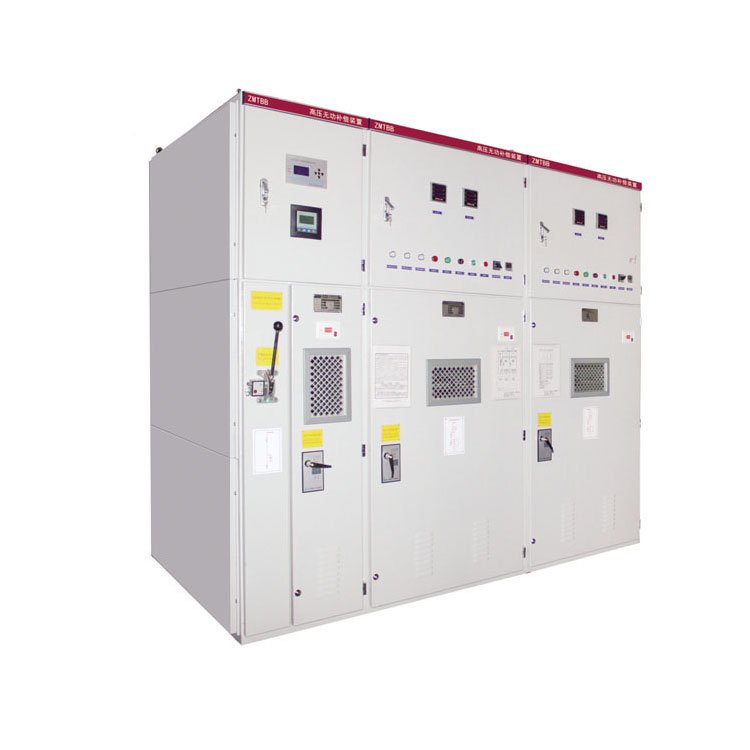
Table of Contents
The Principle Behind the Power Factor Correction Device
To understand if power factor correction devices work, one has to look at what these devices actually do. They don’t create free energy, despite what some flashy advertisements might imply. They manage a specific type of “waste” in the system known as reactive power.
Think of it like a glass of beer. The liquid (real power) is what you actually drink. The foam (reactive power) is necessary to get the liquid out of the tap, but it doesn’t quench your thirst. A correction device essentially reduces the foam, allowing more liquid to flow through the same size glass without the utility charging extra for the foam.
For Industrial Settings: Large banks of capacitors switch on and off to cancel out the magnetic fields created by motors.
For Residential Settings: Small, fixed-value capacitors attempt to smooth out the power factor of refrigerator motors, air conditioning units, and switching power supplies.
The physics doesn’t change, but the scale and the potential savings do.
Passive vs. Active Correction
There are generally two types of devices on the market, and they work in fundamentally different ways.
Passive Harmonic Filters are the traditional capacitors with reactors attached. They are tuned to a specific frequency. They work well in environments with predictable, stable loads. They are durable and relatively inexpensive.
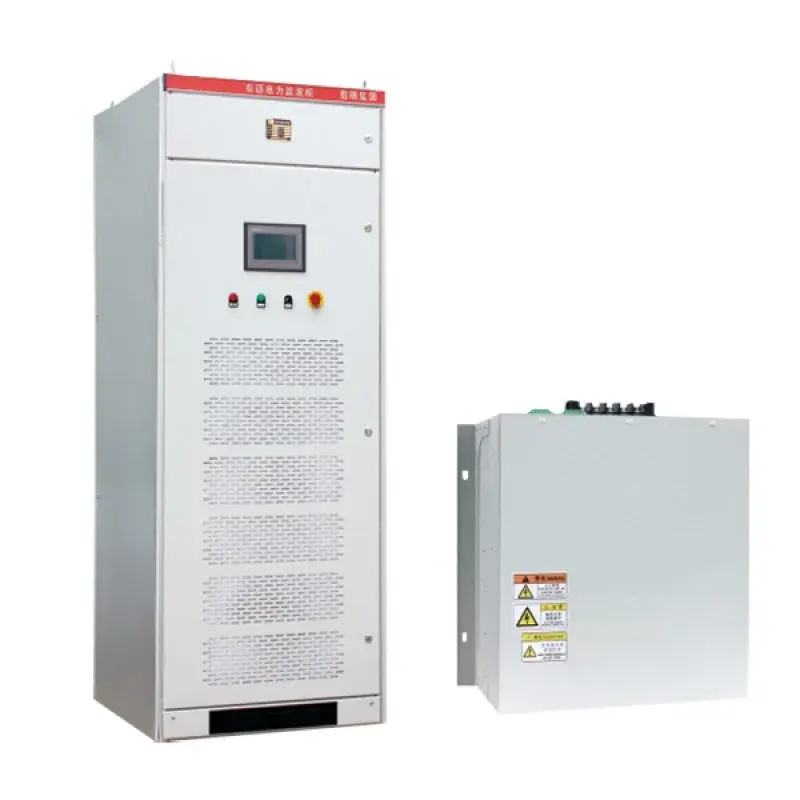
Active Harmonic Filters are more sophisticated. They use electronics to inject currents that cancel out the harmonics in real-time. These are the high-end solutions for facilities with VFDs and other complex electronics. They are more expensive but offer a much cleaner result.
Where the Power Factor Correction Devices Stumble
This is where the skepticism comes in. The market is flooded with small, plug-in power factor correction devices aimed at homeowners. Do they work? Technically, they might slightly improve the power factor of the specific outlet they are plugged into. But the financial return? That’s highly dubious.
Residential electricity meters in most modern regions measure real power (kilowatt-hours) for billing, not reactive power (kVARh). Utilities rarely charge homes for a poor power factor. Therefore, while a plug-in device might make the wiring in the wall a tiny bit more efficient, it almost never moves the needle on the monthly bill. The device “works” in an electrical engineering sense, but it fails in the practical, financial sense.
The Importance of Load Type
The type of load dictates the effectiveness. A facility running large induction motors 16 hours a day is a perfect candidate. The improvement is measurable, and the payback period can be calculated.
Linear Loads (Motors, Heaters): Correction works very well.
Non-Linear Loads (Computers, LED Drivers): Standard correction may cause issues without harmonic filtering.
Conversely, a small office with mostly computers and LED lights has a naturally good power factor already. Adding an automatic reactive power compensation controller there won’t yield savings, even though the device is functioning correctly. It’s a mismatch of tool to problem—the controller is designed for dynamic industrial environments, not static, low-power loads.
Measuring the Impact
The only way to truly know if a device works in a specific location is to measure before and after. A power analyzer clamped onto the main line will show the exact power factor, the harmonic distortion, and the kW demand. Without that baseline data, installing a box is just guesswork. When a device is correctly sized and applied to a facility that actually has a lagging power factor and utility penalties, the results are undeniable:
Reduced Penalties: The reactive power charge disappears from the bill.
Lower I²R Losses: Wiring runs cooler.
Increased Capacity: Transformers can handle more real load without overheating.
When it’s applied incorrectly, the lights stay on, the equipment runs, but the bank account doesn’t see a difference. So, do power factor correction devices work? Yes, the right one, on the right system, for the right reason.
FAQ
Can a small plug-in power factor saver reduce my home electricity bill?
In the vast majority of cases, no. Residential customers are billed for real energy usage (kWh), not reactive power. While the device may technically alter the power factor slightly at that outlet, it does not reduce the number of kilowatt-hours the refrigerator or air conditioner consumes. The savings claimed in advertisements are generally not achievable in a home setting.
How long does it take to see a return on investment for industrial units?
For an industrial facility paying a power factor penalty, the payback period can be quite attractive. Depending on the size of the penalty and the cost of the equipment, it is common to see a return on investment within 12 to 24 months. For facilities without penalties, the payback is based solely on internal loss savings, which takes much longer.
Do these devices also protect against surges or voltage spikes?
Some higher-end units, particularly active filters, can offer some degree of transient suppression, but that is not their primary job. Standard capacitor banks do not provide significant surge protection. They are for reactive current management. Dedicated surge protection devices (SPDs) are still required to protect sensitive electronics from lightning or switching surges.