Table of Contents
Understanding Why a Power Capacitor Might Explode
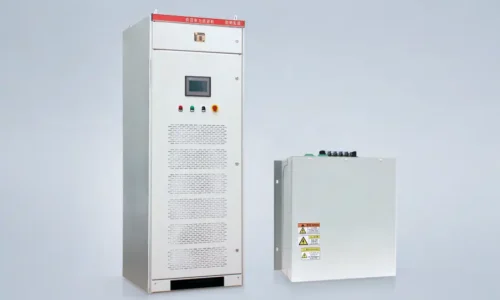
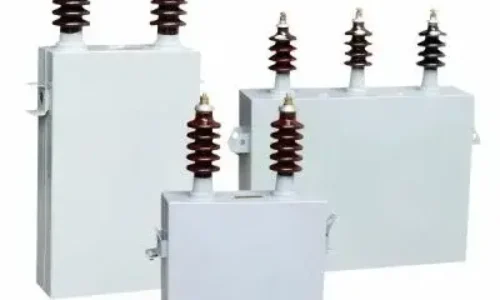
Before diving into prevention, understanding what causes these failures matters. A power capacitor stores electrical energy, and when internal problems occur, that energy can release violently. Explosions typically result from internal pressure buildup—gases form inside the casing as the dielectric material breaks down or overheats.
Several factors contribute to this problem:
- Overvoltage conditions that stress the dielectric beyond its limits
- Harmonic distortion in the electrical system
- Poor ventilation leading to heat accumulation
Key Factors That Affect Power Capacitor Lifespan
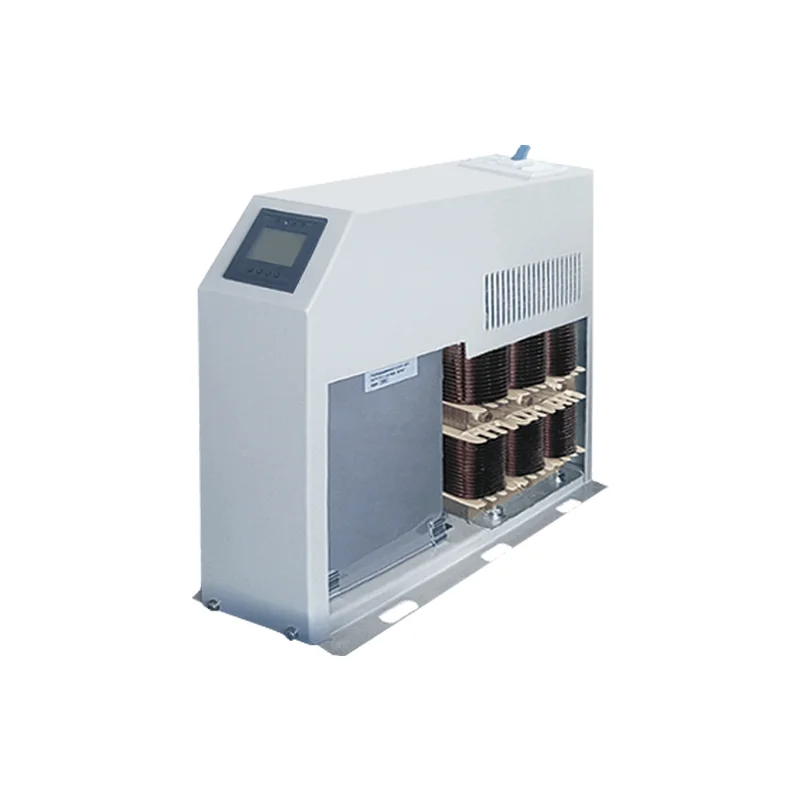
The lifespan of a power capacitor depends heavily on operating conditions. Temperature plays a huge role here. For every 10°C increase above rated temperature, the expected life roughly halves. That’s a pretty significant impact when you think about it.
Temperature and Environmental Conditions
Power capacitors installed in hot environments or near heat-generating equipment face accelerated wear. Dust accumulation on the casing acts like an insulating blanket, trapping heat that should dissipate naturally.
Humidity is another consideration. Moisture can penetrate seals over time, especially in outdoor installations or industrial settings with steam or water spray nearby.
Electrical Stress Factors
Operating a power capacitor at or near its maximum voltage rating constantly isn’t ideal, even if technically within specifications. Voltage spikes, even brief ones, cause cumulative damage to the dielectric layer. Systems with frequent switching operations or those connected to variable frequency drives tend to see higher failure rates.
Practical Steps to Prevent Power Capacitor Failures
Prevention isn’t complicated, but it does require consistent attention. Many facilities install power capacitors and then forget about them until something fails. That approach works until it doesn’t.
Regular Inspection Routines
Visual inspections should happen at least quarterly, though monthly is better for critical installations. Look for:
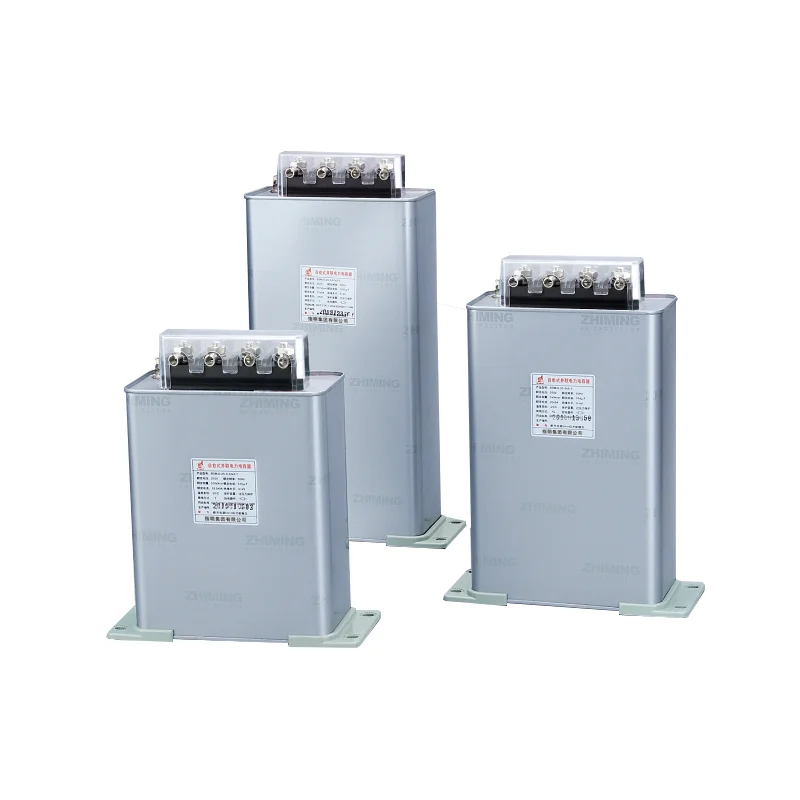
- Bulging or deformation of the power capacitor case
- Oil leaks around terminals or seams
- Discoloration indicating overheating
- Corrosion on connections
- Unusual odors near the power capacitor bank
Electrical Monitoring and Protection
Installing proper protection devices makes a substantial difference. Fuses designed specifically for power capacitor protection respond faster to fault conditions than standard fuses. Unbalance detection relays can identify failing units before complete breakdown occurs.
Some facilities now use continuous monitoring systems that track:
- Capacitance changes over time
- Temperature trends
- Current unbalance between phases
- Harmonic content in the supply
Proper Installation Practices
How a power capacitor gets installed matters more than some people realize. Adequate spacing between units allows air circulation. Mounting orientation should follow manufacturer guidelines—some designs are position-sensitive. Connections need to be tight but not overtorqued, which can crack terminals.
Ventilation requirements are sometimes underestimated. A power capacitor bank in an enclosed panel without proper airflow will run hot, period.
Warning Signs That Indicate Imminent Failure
Catching problems early prevents explosions.
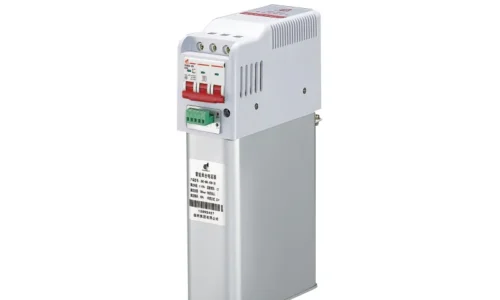
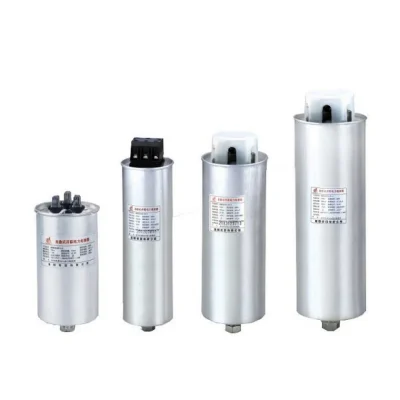
Audible changes often come first. A healthy capacitor operates silently or with minimal hum. Crackling, buzzing, or intermittent popping sounds suggest internal arcing—a serious condition requiring immediate attention. This applies to both high voltage units and low voltage capacitor installations in commercial settings.
Physical changes follow audible ones. The casing may swell as internal gases accumulate. On older oil-filled units, seepage around gaskets indicates seal failure and potential contamination of the dielectric.
Electrical symptoms include:
– Decreased power factor correction effectiveness
– Increased current draw in the capacitor circuit
– Breaker trips or fuse operations without apparent cause
– Voltage fluctuations in connected systems
Maintenance Schedules for Long-Term Reliability
Establishing a maintenance schedule keeps capacitors operating safely. The frequency depends on environment and criticality, but general guidelines apply to most installations.
Recommended Maintenance Activities
Weekly: Quick visual check during routine rounds. Note any obvious changes.
Monthly: Detailed inspection including terminal connections, ventilation systems, and environmental conditions around the capacitor bank.
Quarterly: Thermal scanning, electrical measurements (current, voltage, power factor), and comparison against baseline readings.
Annually: Comprehensive testing including capacitance measurement, insulation resistance, and review of protection device settings. Consider cleaning internal components if accessible and safe to do so.
FAQ
How long does a power capacitor typically last?
Under normal operating conditions with proper maintenance, most power capacitors last between 10 to 20 years. However, harsh environments, overloading, or poor power quality can reduce this significantly. Regular monitoring helps identify units approaching end-of-life before they fail catastrophically.
Can a damaged power capacitor be repaired?
Generally speaking, no. Once a power capacitor shows signs of internal damage—bulging, leakage, or capacitance loss—replacement is the only safe option. The internal construction doesn’t allow for field repairs, and attempting to open a capacitor is dangerous due to stored energy and potentially hazardous materials inside. Always replace damaged units with appropriately rated new ones.
What should be done immediately after a capacitor explosion occurs?
First priority is ensuring personnel safety and evacuating the area if necessary. De-energize the circuit feeding the capacitor bank before approaching. Some capacitor types contain materials that pose health risks, so proper protective equipment should be worn during cleanup. Document the failure for root cause analysis, inspect adjacent units for damage, and have qualified personnel assess the installation before re-energizing any remaining capacitors.