Dealing with an electricity bill that seems higher than it should be is a common frustration for facility managers and business owners. Often, the culprit isn’t just the amount of power being used, but how it’s being used. That nagging issue is usually a poor power factor. It’s one of those technical gremlins that silently eats into budgets and reduces the capacity of electrical infrastructure. Understanding how this happens is the first step, but the real question everyone ends up asking is: how can power factor be improved effectively without breaking the bank?
The answer isn’t a one-size-fits-all solution. It requires looking at the specific types of equipment running in a facility—things like motors, transformers, and welding units—that are inherently bad at managing reactive power. The trick is to introduce elements that counteract these magnetic currents, or in some cases, to simply use equipment smarter.
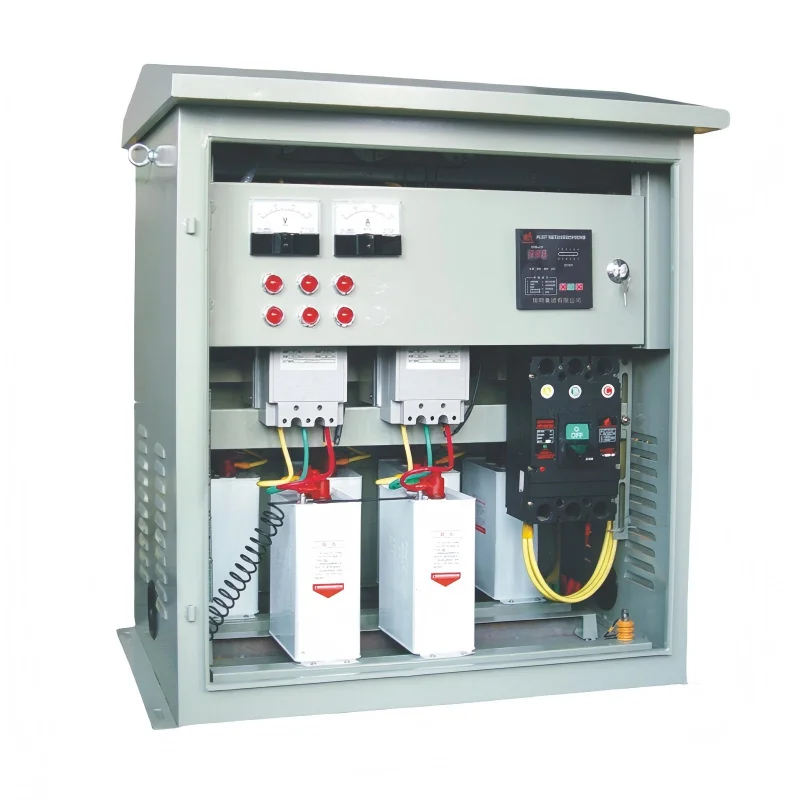
Table of Contents
What Causes a Poor Power Factor?
Before diving into the fixes, it helps to know why the power factor dips in the first place. It’s largely an issue of induction. Most industrial and commercial loads rely on magnetic fields to operate—think induction motors running conveyors, air conditioners, or pumps. These magnetic fields require something called magnetizing current to be established. While this current doesn’t actually do the physical work (turning the shaft), it has to travel through the system, which creates a lag between voltage and current.
Unloaded or lightly loaded motors: A motor running at full load is actually more efficient regarding power factor than one that’s just spinning freely.
Old-school ballasts: Fluorescent lighting with magnetic ballasts is a classic contributor.
Arc furnaces and welders: These create erratic and inductive loads.
Transformers: Even when idling, they consume reactive power.
This lagging effect means the utility company has to generate more power to overcome the line losses, and they often pass that cost onto the consumer through power factor penalties on the bill.
The Role of Capacitors in Power Factor Improvement
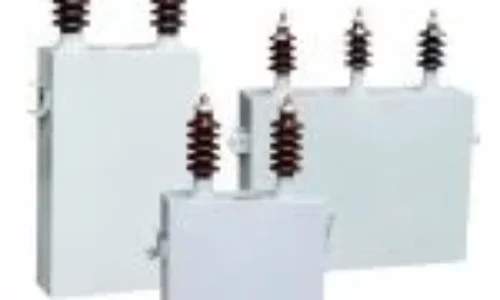
The most common and practical answer to the question of improvement is the use of capacitors. They act as a sort of reactive power generator right at the source of the problem. Because capacitors store energy in an electric field rather than a magnetic field, their characteristics are opposite to those of motors and transformers.
When installed, capacitors supply the magnetizing (reactive) power locally. This means the utility only needs to supply the working (real) power. It’s a neat trick of physics. The current and voltage are brought back into alignment, or at least closer together, which defines an improved power factor. Capacitors are popular because they are relatively low-maintenance, have no moving parts, and are scalable.
Synchronous Motors: A Different Approach
While capacitors are the go-to for most situations, sometimes the equipment itself can be the solution. Synchronous motors operate differently than standard induction motors. They can be adjusted to operate at a leading power factor, essentially acting like a capacitor themselves. By over-exciting the field windings, they can supply reactive power to the rest of the system. It’s an elegant solution, but it usually only makes financial sense when a large, constant-speed application (like a big compressor or fan) is needed anyway. Retrofitting a system just for this is rare.
How Can Power Factor Be Improved?
To get a bit more tactical, there are three distinct ways to apply correction. The choice depends heavily on the variability of the load. Is the factory running the same equipment 24/7, or do motors kick on and off randomly throughout the day?
Fixed vs. Automatic Correction
Fixed Capacitor Banks: This is the simplest setup. A capacitor of a fixed size is connected directly to the terminals of a specific piece of equipment, usually a large motor. It switches on and off with that motor. It’s perfect for stabilizing the power factor of that one machine.
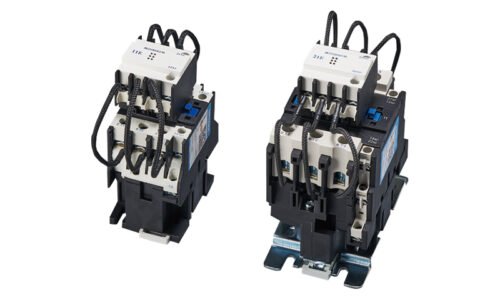
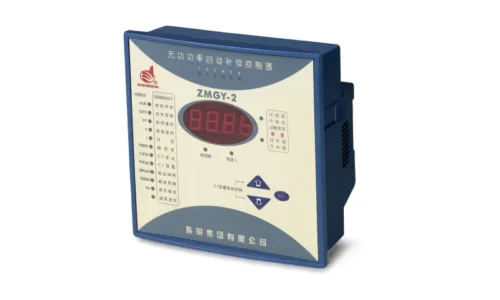
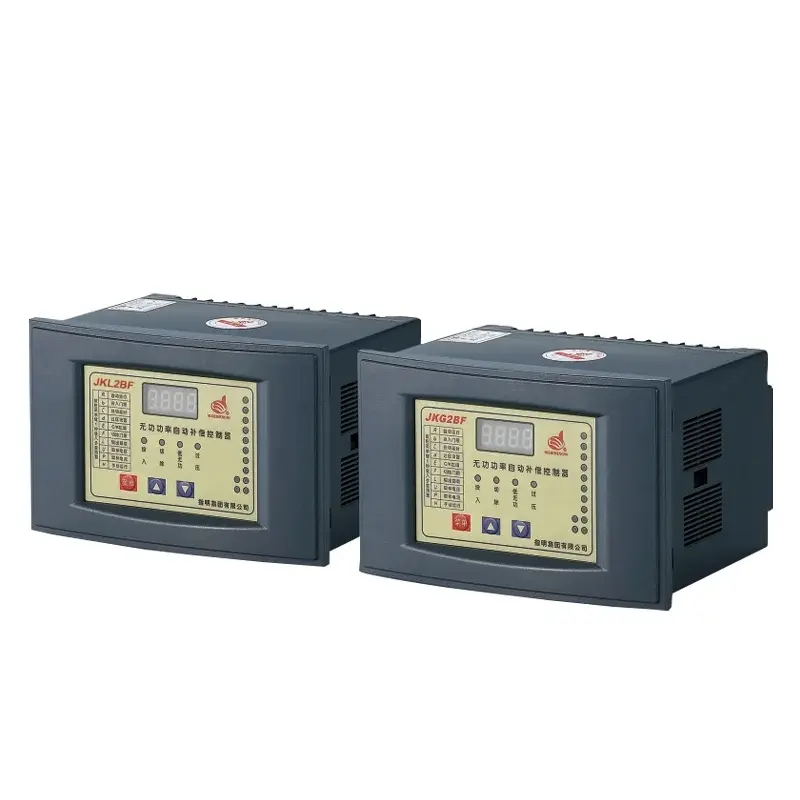
Automatic Capacitor Banks: For a whole facility where loads change, this is the better route. An automatic system uses a controller that monitors the overall power factor in real-time. It switches smaller banks of capacitors in and out of the circuit to maintain a target level. This prevents over-correction (which can be just as problematic as under-correction) during times of light load.
Harmonic Filters: Cleaning Up the Mess
In modern facilities with a lot of electronic loads like Variable Frequency Drives (VFDs), computers, or LED drivers, a simple capacitor might not be enough. These devices create harmonics—electrical noise and distortion on the sine wave. Standard capacitors can actually interact badly with these harmonics, potentially getting damaged or creating resonance issues.
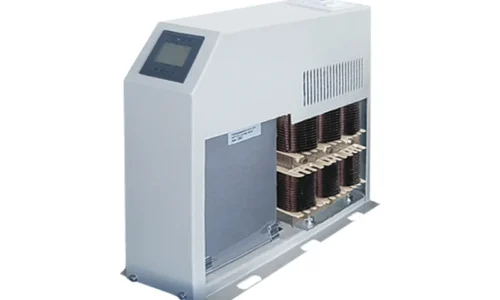
In these situations, harmonic filters are used. They are essentially capacitors with built-in reactors (inductors) that are tuned to specific frequencies. They serve two purposes: they provide the reactive power needed for power factor improvement, and they also shunt the harmonic currents away from the power system. It’s a slightly more expensive option but necessary for facilities with “dirty” power. If you want to know more about power factor device, please read What is a power factor correction device.
FAQ
Will improving my power factor actually save me money on my electricity bill?
It can save money if your utility company charges a penalty for a low power factor. Many commercial and industrial rates include a clause that bills for reactive power demand. By improving the factor, you can eliminate that specific penalty charge. It also reduces heat losses (I²R losses) in your internal wiring, though that saving is usually smaller compared to the penalty removal.
Can a system be "over-corrected"? What happens?
Yes, absolutely. Over-correction happens when too much capacitance is added, causing the power factor to go “leading” (where current leads voltage). This can lead to overvoltage conditions and excessive stress on equipment insulation. Automatic controllers are designed to prevent this by switching off capacitors when the factor approaches the target.
Do all types of electrical equipment benefit from the same correction method?
No, different loads behave differently. For example, a simple water pump with a standard motor benefits greatly from a fixed capacitor. However, a VFD controlling a fan inherently has a good power factor on its input side but creates harmonics. Adding a standard capacitor to a VFD is usually not recommended and could be dangerous, requiring a harmonic filter instead.