Low Voltage Current Transformer

Low Voltage Current Transformer

In modern power measurement and protection systems, precise measurement and safety isolation are fundamental to ensuring stable system operation. As a globally leading manufacturer of power quality solutions and electrical sensors, ZHIMING Group deeply understands the critical role of current monitoring in energy efficiency management, equipment protection, and intelligent monitoring within low voltage distribution systems.

Our Low Voltage Current Transformer product series, renowned for its exceptional accuracy, reliable stability, and broad adaptability, serves various low voltage distribution scenarios from industrial manufacturing to commercial buildings. ZHIMING consistently adheres to the philosophy of “Accurate Sensing, Safety Assurance,” committed to providing global customers with standardized high-quality products and personalized custom solutions, ensuring your low voltage distribution system acquires safe, precise, and efficient current sensing capabilities, laying a solid foundation for energy efficiency improvement and intelligent operation and maintenance.


What is a Low Voltage Current Transformer?

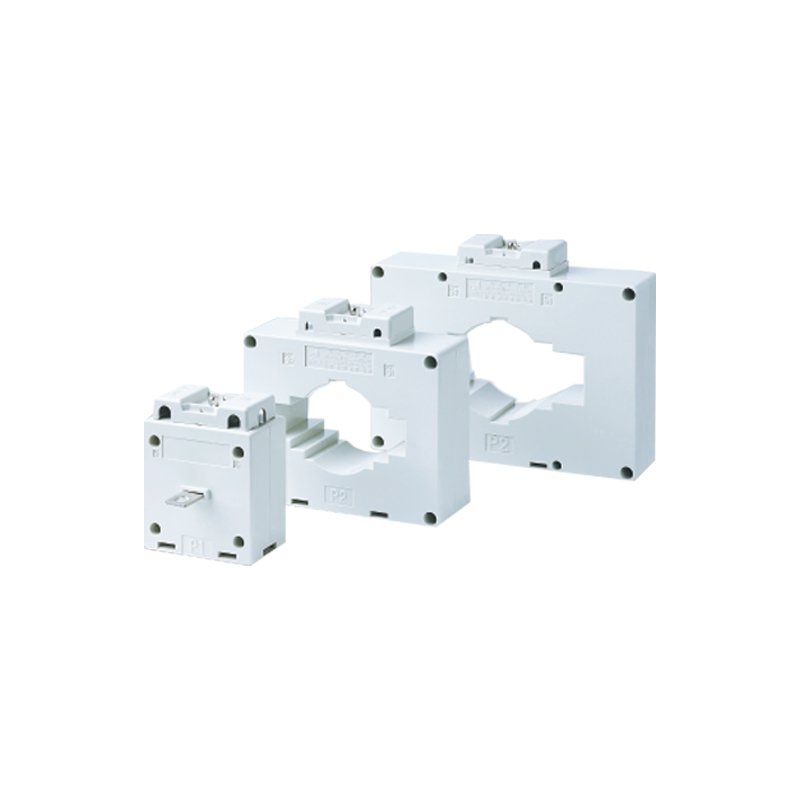
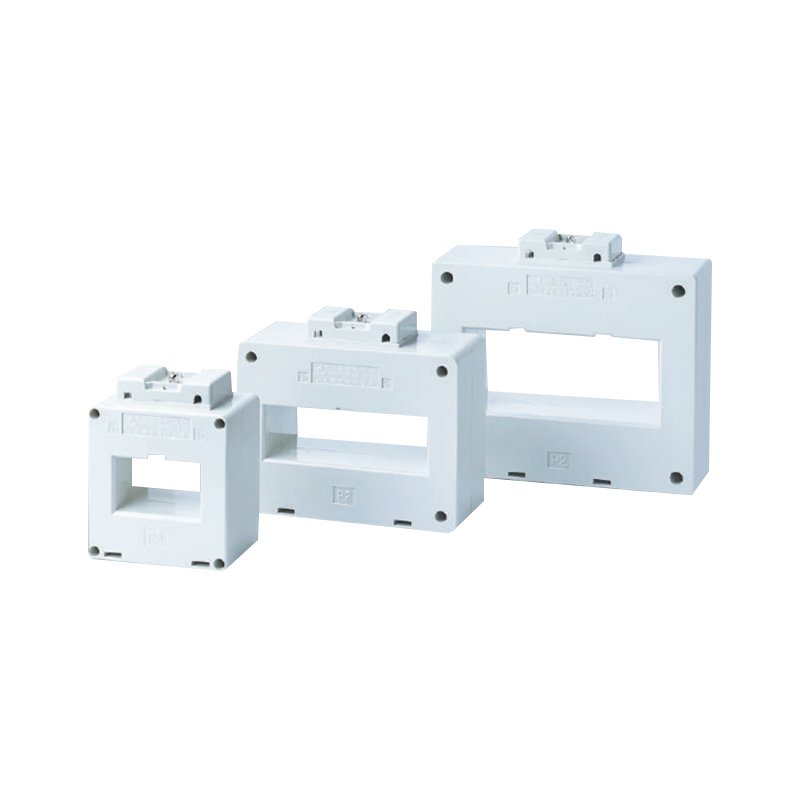
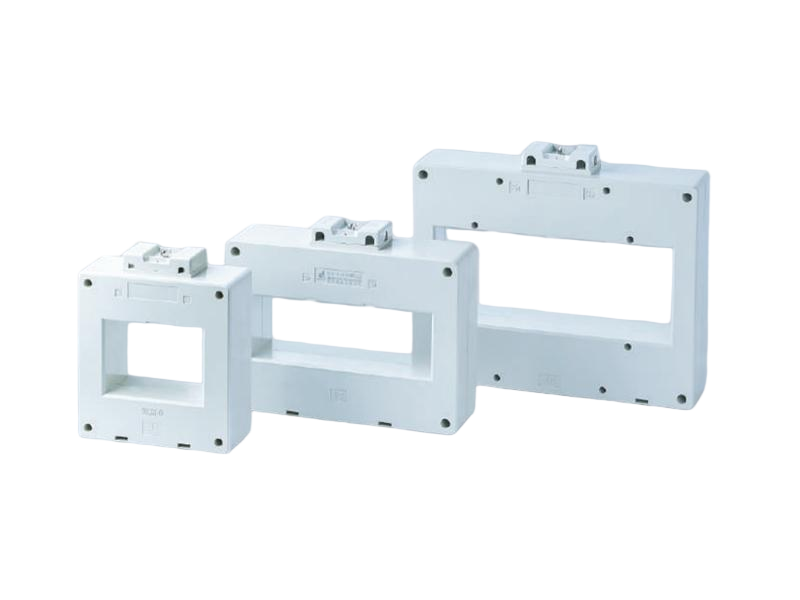
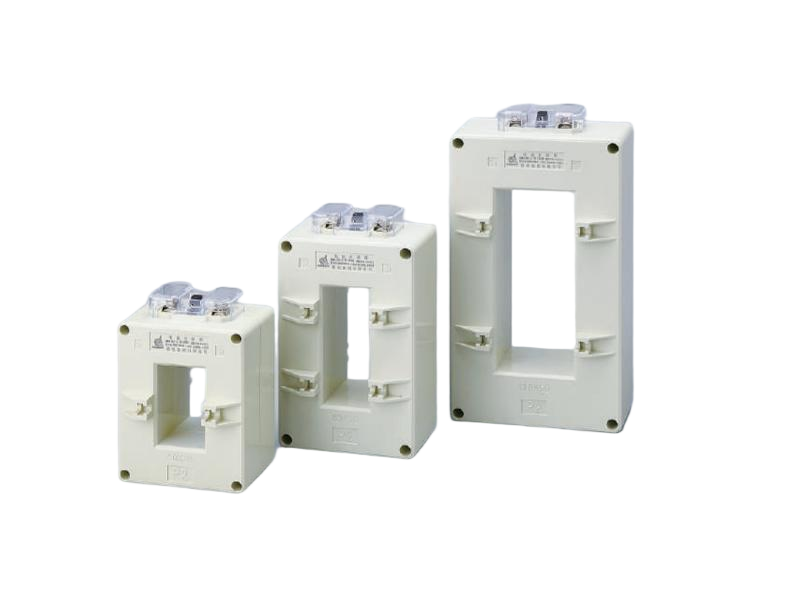
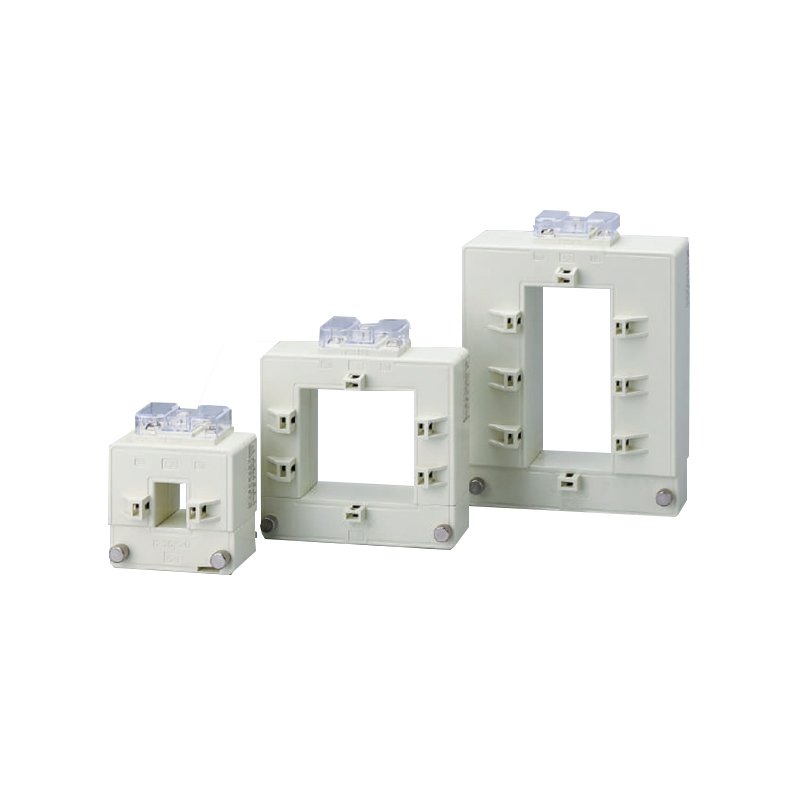
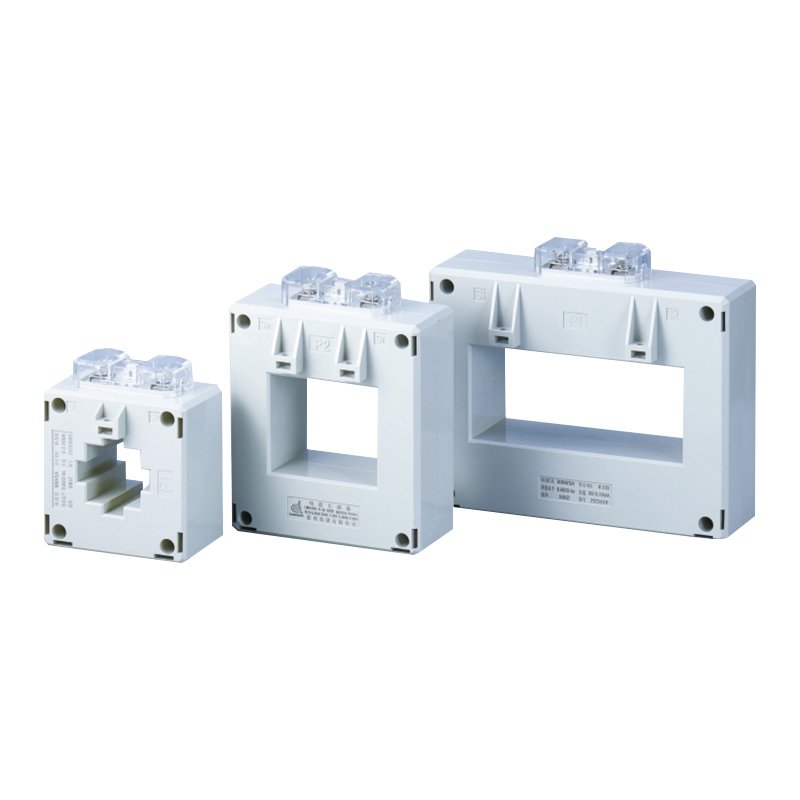
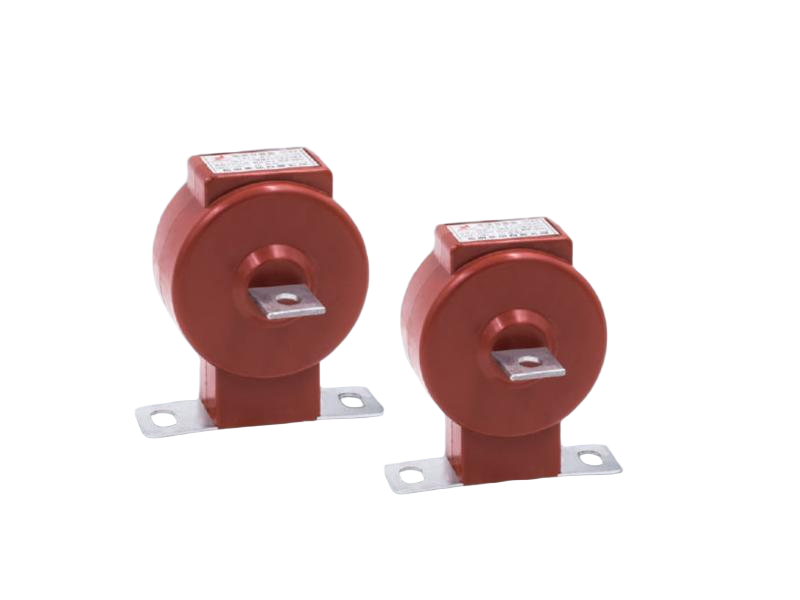
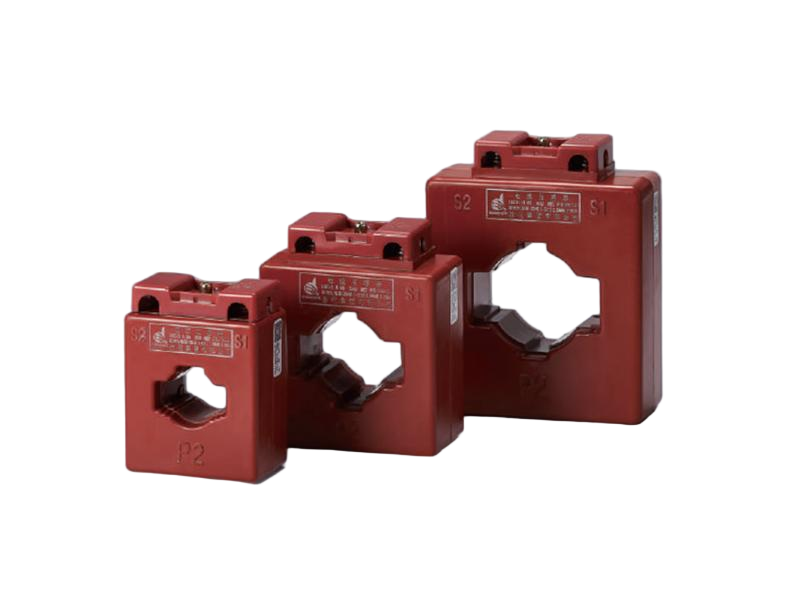
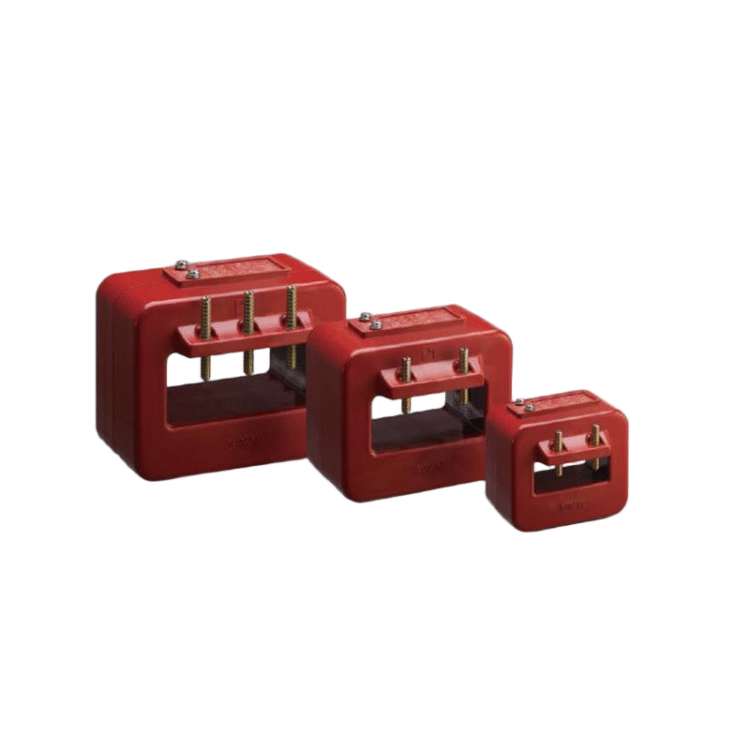
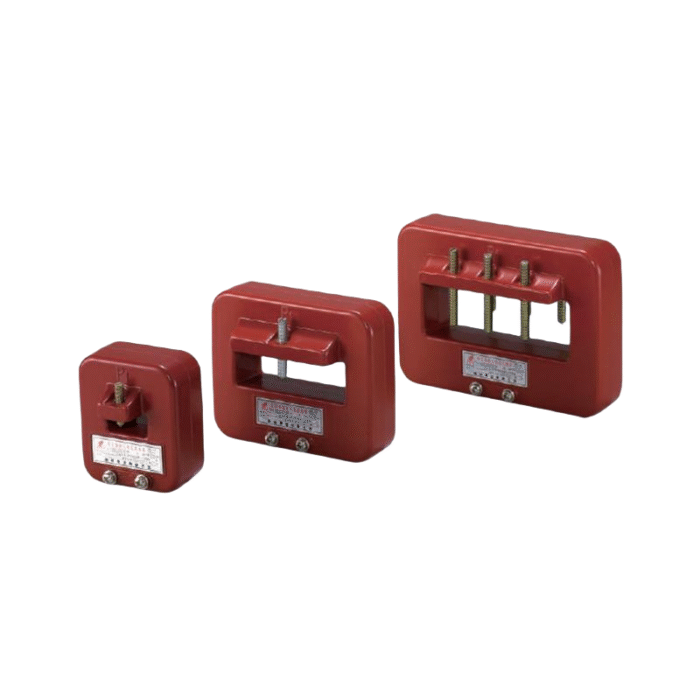
A Low Voltage Current Transformer, abbreviated as LVCT, is a sensor device that operates on the principle of electromagnetic induction. It accurately converts a large primary current (ranging from a few amperes to several thousand amperes) in a low voltage distribution system into a standardized small secondary current (typically 5A or 1A) according to a fixed ratio. It is widely used in AC circuits with a rated voltage not exceeding 0.66kV (or equivalent AC 0.69kV).


Core Benefits of Low Voltage Current Transformer

The core value delivered by using ZHIMING Low Voltage Current Transformers:

1. Ensures System Safety and Reliability

Electrical Isolation: A robust insulation structure effectively isolates the primary circuit from the low voltage secondary circuit, providing a solid barrier for downstream equipment and personnel safety.

2. Equipment Protection

Provides accurate current signals to relay protection devices, ensuring rapid and reliable operation to clear faults like overcurrents and short circuits, thereby protecting primary equipment.

3. Enables Accurate Metering and Energy Efficiency Management

High-Precision Measurement: Offers various accuracy classes like 0.2, 0.5, and 1, meeting different needs from billing to general industrial metering, providing reliable data for energy audits and cost control.

4. Supports Intelligent Monitoring

Outputs standard signals for seamless integration with various smart meters, data acquisition units, and energy management systems, forming the basis for digital and intelligent power distribution.

5. Simplifies System Design and Reduces Costs

Standardization and Miniaturization: Standardized secondary current outputs enable the standardization and miniaturization of instruments and relays, reducing overall costs. The transformers themselves are compact and easy to install, saving space.

6. Improves Operational Efficiency

Reliable product performance reduces maintenance needs and downtime. The accurate data provided aids in predictive maintenance, enhancing overall operational efficiency.


Application Scenarios

ZHIMING Low Voltage Current Transformers, with their comprehensive product range, are widely used in the following critical fields:

1. Industrial Manufacturing

Widely used in workshop distribution systems across industries like automotive, metallurgy, chemicals, and machinery for measuring current in large motors, VFDs, welding machines, etc., for energy metering and operational status monitoring.

2. Commercial and Public Buildings

Installed in distribution rooms, power factor correction panels, and energy management systems of office buildings, shopping malls, hospitals, and schools to monitor currents of major loads like lighting, HVAC, pumps, and elevators for energy-saving control and electrical safety.

3. New Energy Sector

Applied in low voltage grid-connection systems of photovoltaic and wind power plants for precise current measurement, serving as key components for efficient utilization of clean energy and system monitoring.

4. Infrastructure

Used in locations with extremely high demands for power supply reliability and continuity, such as rail transit, data centers, ports, and airports, ensuring stable power supply and current monitoring for critical loads.

5. Smart Distribution and Motor Protection

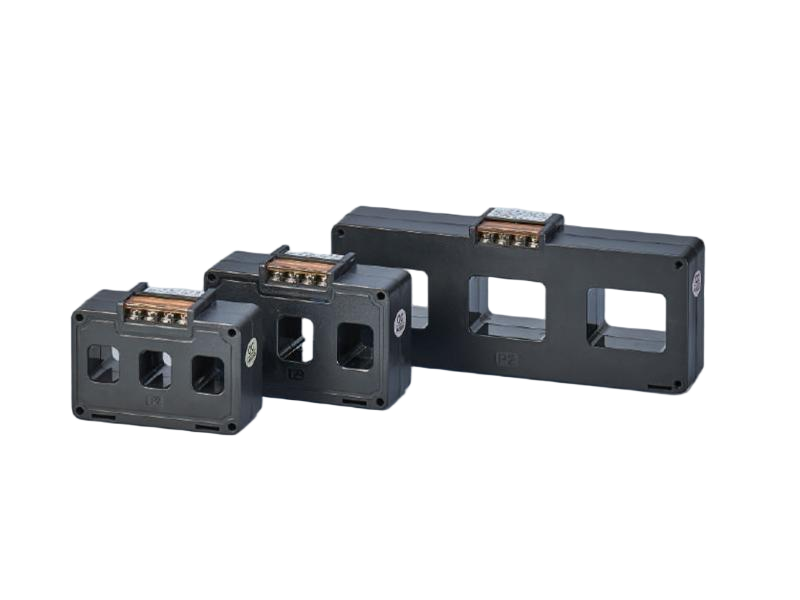
Special dual-winding current transformers can be used for current measurement and remote transmission in multi-circuit low voltage intelligent distribution systems, or used with motor protection units to provide reliable overload protection.


Advantages & Technical Highlights of Low Voltage Current Transformer

ZHIMING Group ensures its Low Voltage Current Transformers remain at the forefront of performance and reliability through continuous R&D and stringent quality control:

1. Excellent Electrical Performance

High Accuracy and Wide Range: Accuracy classes cover 0.2, 0.5, 1, etc. Primary current range is wide, from 5A to 6300A, meeting measurement needs for various applications.

2. Low Power Loss and High Stability

Cores undergo high vacuum heat treatment and use premium magnetic materials like grain-oriented cold-rolled silicon steel strip or amorphous materials, ensuring stable magnetic properties, low product loss, and minimal long-term accuracy drift.

3. Robust Mechanical and Safety Design

Reliable Insulation and Protection: Housings are often made of high-impact, flame-retardant ABS material or PC/ABS alloy, offering good safety performance, high-temperature resistance, and environmental friendliness.

4. Diverse Mounting Options

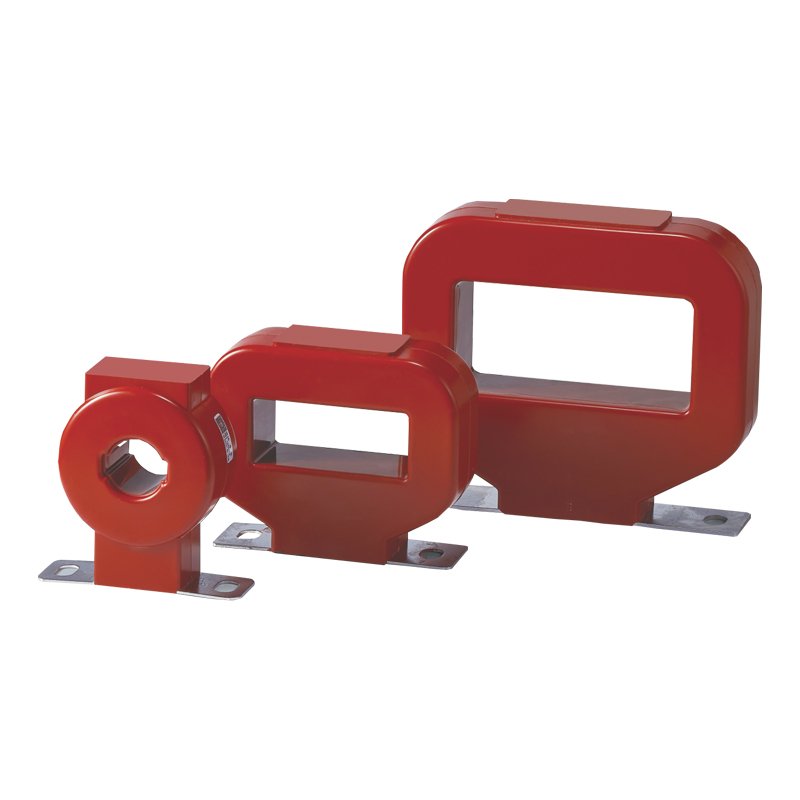
Offer various mounting methods including through-core (round window, rectangular window), busbar fixed, and flange fixed, adapting to different on-site installation environments conveniently and efficiently. Some models feature a flip-open cover design for easy wiring and support lead sealing for anti-tampering.

5. Advanced Technology and Material Application

Dual Winding Design: Some models support dual secondary windings, allowing simultaneous local indication (e.g., 5A or 1A) and remote telemetry (e.g., AC 0-20mA), simplifying system structure and reducing costs.

6. Strong Environmental Adaptability

Design complies with standards such as GB 1208 (equivalent to IEC 60044-1), capable of stable operation within an ambient temperature range of -30°C to +70°C and at altitudes ≤ 3000m.

7. Stringent Quality Assurance

Product design and manufacturing comply with relevant international and national standards and undergo strict production testing, ensuring compliance and safety for global markets.


FAQ

Q1: Why must the secondary side of a low voltage current transformer never be open-circuited during operation?

A1: Under normal operation, the magnetomotive force from the primary current is largely counteracted by that from the secondary current. If the secondary opens, this demagnetizing effect vanishes. The core becomes highly saturated, producing a large magnetic flux that induces a dangerous high voltage in the multi-turn secondary winding, severely threatening equipment insulation and personnel safety. The core can also overheat and damage the transformer. Therefore, the secondary circuit must always remain closed during installation, testing, or maintenance.

Q2: How do I select the right low voltage current transformer for my project? What are the key parameters?

A2: Selection involves considering several key parameters:

Rated Voltage: Determined by the system voltage at the installation point, e.g., 0.66kV.

Rated Primary Current: Should be slightly higher than the normal maximum operating current of the measured circuit, typically 1.2-1.5 times the max load current.

Rated Secondary Current: Common values are 5A or 1A. 1A is preferred for longer transmission distances or higher burden to reduce line voltage drop effects.

Accuracy Class: Energy metering usually requires 0.2S or 0.5; general measurement can use 1.

Rated Burden (VA): The total impedance of all instruments, relays, and connecting wires on the secondary side must not exceed the transformer’s rated burden, otherwise measurement accuracy is affected.

Mounting Method and Window Size: Select a transformer with matching window size and mounting method based on busbar specifications, number of bars, and available installation space.

Q3: What does “number of primary turns” mean for a low voltage current transformer? How does it affect the ratio?

A3: “Number of primary turns” refers to the number of times the primary conductor passes through the current transformer window. The actual transformation ratio of the CT is inversely proportional to the number of primary turns. For example, a CT marked “100/5A, 1 primary turn” will have an actual ratio of (100 / 2) / 5A = 50/5A if the primary conductor is passed through twice (2 turns). Always follow the marking on the nameplate for correct primary turns; incorrect wiring will lead to measurement errors.

Q4: Can ZHIMING provide specially customized low voltage current transformers?

A4: Yes. ZHIMING possesses a strong R&D and engineering team capable of providing flexible personalized customization services based on specific customer requirements (such as non-standard window sizes, special ratios, extreme environmental adaptability requirements, specific mounting methods, etc.). Our goal is to be your reliable partner, not just a product supplier.

Contact us, we power your needs.

30+ years of focused commitment,
Powering progress, empowering lives.

Contact Now
请在浏览器中启用JavaScript来完成此表单。