Electricity bills sometimes feel higher than they should be. Equipment runs fine, nothing seems wasted, yet costs keep climbing. Often, the culprit hides in something called power factor—a concept most people outside electrical engineering rarely think about. And that’s where power factor capacitor technology comes into play.
Understanding this component isn’t just for engineers. Anyone managing facilities, running manufacturing operations, or simply curious about electrical efficiency can benefit from knowing the basics. The explanation doesn’t need to be complicated either.
Table of Contents
How Power Factor Works in Electrical Systems
Before diving into capacitors specifically, it helps to grasp what power factor actually means. In simple terms, power factor measures how effectively electrical power gets converted into useful work. A perfect power factor sits at 1.0 (or 100%). Reality rarely cooperates though.
Most industrial and commercial facilities operate somewhere between 0.7 and 0.9. That gap represents wasted energy—power drawn from the grid that doesn’t accomplish anything productive. Motors, transformers, and fluorescent lighting are common offenders. They create what engineers call reactive power, which oscillates back and forth without doing real work.
The consequences show up in several ways:
- Higher electricity bills (utilities often penalize low power factor)
- Increased strain on electrical infrastructure
- Reduced capacity in transformers and cables
- Greater energy losses throughout the system
Not ideal, obviously. Which brings us to the solution.
What Exactly Is a Power Factor Capacitor?
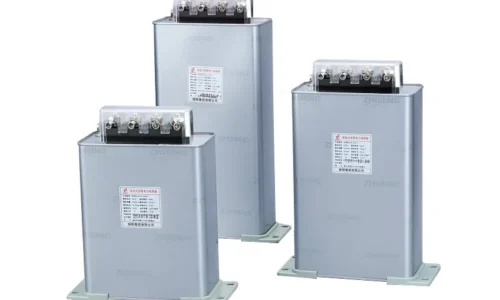
A power factor capacitor is an electrical device designed to counteract reactive power in a system. It supplies reactive power locally, reducing what needs to be drawn from the utility grid. The effect improves overall power factor, making the electrical system more efficient.
Think of it this way—inductive loads (like motors) cause current to lag behind voltage. Capacitors do the opposite; they cause current to lead voltage. When properly sized and installed, a power factor capacitor balances out the lag, bringing power factor closer to that ideal 1.0 value.
These capacitors don’t store energy for later use in the traditional sense. Their job is compensation, not storage. They work continuously while equipment operates, correcting power factor in real time.
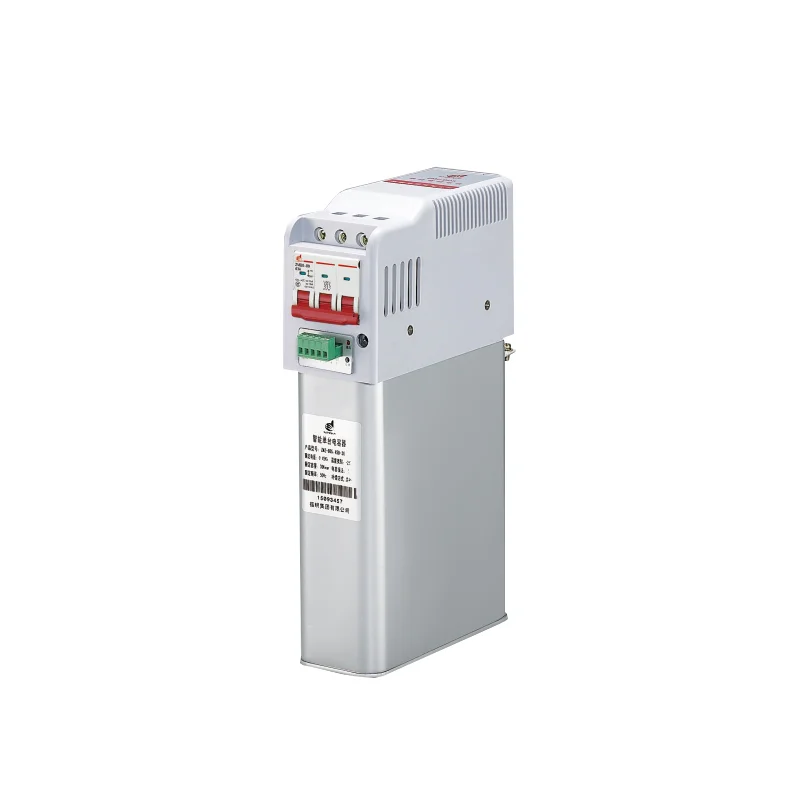
Basic Construction and Components
Most power factor capacitor units share similar construction principles. Inside a typical unit:
- Dielectric material (usually polypropylene film) separates conductive plates
- Metal foil or metallized film serves as electrodes
- Insulating oil or dry resin fills the housing for heat dissipation
- A metal or plastic casing protects internal components
- Terminals allow connection to the electrical system
Build quality matters significantly. Cheap capacitors fail prematurely—sometimes spectacularly. Industrial-grade units from reputable manufacturers last years longer and handle stress better.
Types of Power Factor Capacitors
Not every application needs the same capacitor. Several varieties exist, each suited to different situations.
| Type | Best For | Key Characteristics |
|---|---|---|
| Fixed capacitors | Constant loads | Simple, inexpensive, always on |
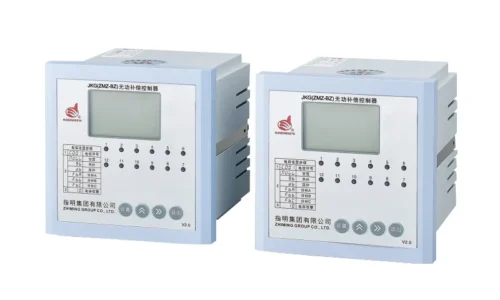
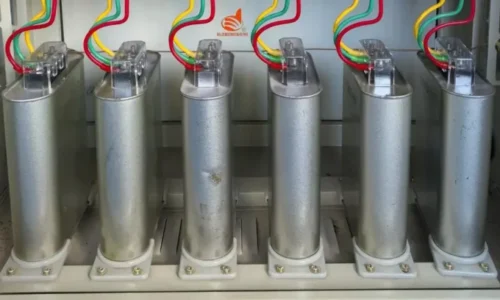
| Automatic capacitor banks | Variable loads | Switch stages in/out as needed |
| Detuned reactors with capacitors | Harmonic-rich environments | Include reactors to block harmonics |
| Synchronous condensers | Large industrial facilities | Rotating machines, very high capacity |
| Static VAR compensators | Utility-scale applications | Fast response, precise control |
For most commercial and light industrial settings, automatic capacitor banks offer the best balance of cost and performance. They adjust compensation levels based on actual load conditions—something fixed capacitors simply cannot do.
Fixed Versus Automatic Systems
Fixed capacitors work fine when electrical loads stay consistent. A facility running the same equipment at the same output day after day might manage perfectly well with fixed compensation.
But that describes fewer situations than one might expect. Most operations see load variations—shift changes, seasonal differences, equipment cycling on and off. Automatic systems respond to these fluctuations. They measure power factor continuously and switch capacitor stages accordingly.
The upfront cost runs higher for automatic banks. Long-term savings usually justify the expense though, especially where utility penalties for poor power factor apply.
Benefits of Installing Power Factor Capacitors
The advantages extend beyond simple bill reduction, though that alone often justifies installation.
Key benefits include:
- Lower electricity costs – Reduced demand charges and elimination of power factor penalties
- Increased system capacity – Existing transformers and cables handle more real power
- Voltage stabilization – Power factor correction often improves voltage levels
- Reduced line losses – Less current flowing means less energy wasted as heat
- Extended equipment life – Motors and other gear run cooler and more efficiently
Some facilities recover installation costs within one to two years. Others take longer. The math depends on local utility rate structures and how poor the existing power factor actually is.
Common Applications for Power Factor Capacitors
These devices appear across many industries and settings. Wherever significant inductive loads exist, power factor capacitor installations make sense.
Typical applications:
- Manufacturing plants with large motor loads
- Commercial buildings with HVAC systems
- Water treatment facilities
- Mining operations
- Food processing plants
- Data centers (though these present unique challenges)
- Agricultural operations with irrigation pumps
Even smaller commercial spaces sometimes benefit. A machine shop with several CNC machines, for instance, might see meaningful savings from modest power factor correction.
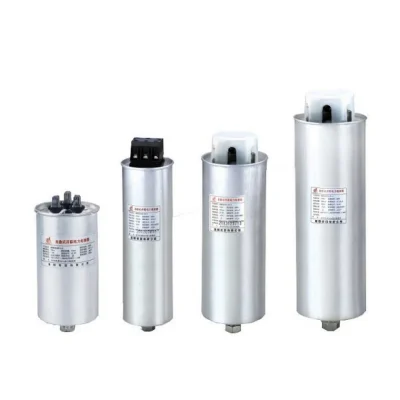
Installation Considerations
Proper sizing matters enormously. Undersized capacitors provide insufficient correction. Oversized units can actually cause problems—overcorrection leading to voltage rises and potential equipment damage.
A qualified electrician or electrical engineer should analyze the actual loads before specifying equipment. Guessing rarely ends well.
Harmonic distortion complicates things further. Modern facilities often contain variable frequency drives, LED lighting, and other electronics that generate harmonics. Standard capacitors can amplify these harmonics dangerously. Detuned systems or harmonic filters may be necessary in such environments.
Final Thoughts
Power factor capacitor technology isn’t glamorous. It sits quietly in electrical rooms, doing its job without fanfare. But the impact on operating costs and system efficiency proves substantial for many facilities. Understanding how these devices work—and when they make sense—helps anyone responsible for electrical systems make smarter decisions.
The technology continues evolving too. Smart capacitor banks with advanced monitoring, better harmonic handling, and longer service life keep improving. For facilities still operating with poor power factor, the case for correction gets stronger every year. If you want to know more about other types of power capacitor, please read about What is a storage capacitor.
Frequently Asked Questions
How long does a power factor capacitor typically last?
Quality units last 10 to 15 years under normal operating conditions. Factors affecting lifespan include ambient temperature, voltage stress, harmonic levels, and manufacturing quality. Cheap capacitors from unknown suppliers might fail within two to three years. Investing in reputable brands pays off over time.
Can power factor capacitors reduce electricity bills significantly?
Yes, though the amount varies widely. Facilities with poor power factor (below 0.85) and high demand charges often see 10 to 30 percent reductions in total electricity costs. Those already operating at decent power factor levels experience smaller savings. The specific utility rate structure determines how much penalty charges factor into the calculation.
Do power factor capacitors work with solar panel systems?
They can, though the interaction requires careful consideration. Solar inverters typically operate at unity power factor or close to it. The existing loads still create reactive power demands though. In many cases, power factor correction remains beneficial even after solar installation—it addresses the load side rather than the generation side.