In the complex world of modern power systems, keeping things running smoothly is a bit of a balancing act. It is not just about generating electricity; it is about making sure that electricity actually does the work it is supposed to do without getting wasted along the way. This is where the high voltage power capacitor steps in. It is one of those components that you might not think about often, but without it, factories, power stations, and large commercial buildings would be facing some serious efficiency headaches.
Efficiency isn’t just a buzzword; it’s basically the difference between a system that runs cool and cheap, and one that overheats and costs a fortune. By managing something called reactive power, these capacitors help smooth out the bumps in the electrical road.

Table of Contents
What Exactly is a High Voltage Power Capacitor?
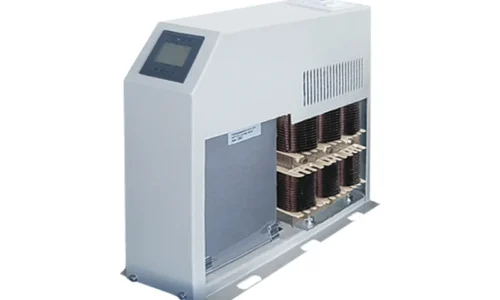
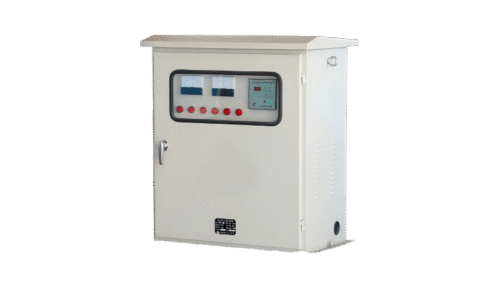
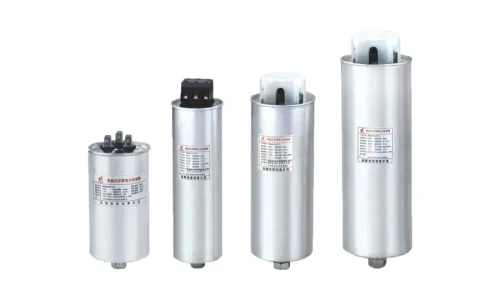
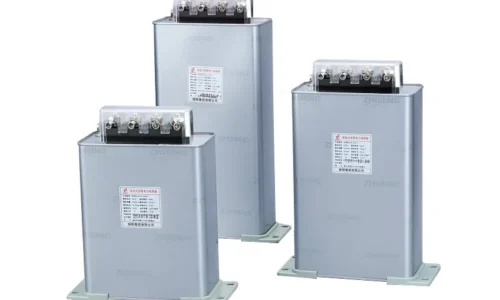
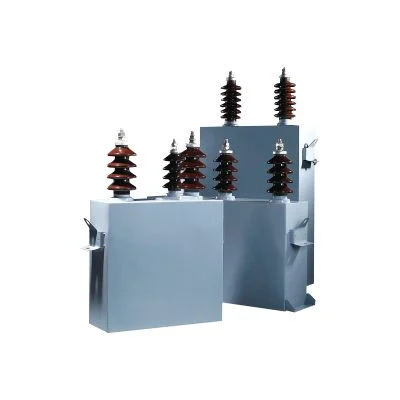
To put it simply, a high voltage power capacitor is a device designed to store electrical energy and then release it when the system needs a boost. Think of it like a reserve tank or a buffer. In high-voltage applications—we are talking about heavy industry and major substations—there is a huge amount of energy moving around.
The main job of this device is to handle reactive power. Now, reactive power is a bit of a strange concept if you aren’t an electrical engineer. It is the energy required to create electric and magnetic fields in equipment like big motors and transformers. The thing is, this energy doesn’t actually “do” any work. It doesn’t spin the shaft or light the bulb. But the system needs it to function. If you don’t have a way to manage this locally, you end up pulling all that extra “useless” energy from the grid, which causes voltage drops and heats up the wires.
So, the capacitor sits there and provides this reactive power right where it is needed. It prevents the system from having to drag that energy all the way from the power plant.
The Role of a High Voltage Power Capacitor in Power Systems
In any electrical setup, there is a constant tug-of-war between active power (the stuff that does work) and reactive power. When these two get out of balance, the power factor drops. A low power factor is basically a sign that your system is being inefficient. It means you are drawing more current than you theoretically should need to do the job.
When a high voltage power capacitor is integrated into the network, it fixes this imbalance. It supplies the reactive power locally. This takes a massive load off the supply lines. You can imagine it like carrying a backpack; if someone else carries the heavy water bottle for you (the capacitor), you can walk much further without getting tired.
By doing this, the capacitor helps stabilize the voltage. If you have ever been in a factory where the lights dim when a big machine turns on, you are seeing voltage sag in action. A properly sized capacitor bank helps prevent that, ensuring that voltage stays level even when heavy loads kick in.
Benefits of Installing a High Voltage Power Capacitor
When you look at the operational side of things, the advantages of using these devices are pretty clear. It is not just about following regulations; it is about saving money and equipment.
- Improved Power Factor: This is the big one. By correcting the power factor, you stop wasting energy. The system runs “tighter” and more effectively.
- Reduced Energy Costs: Utility companies often charge penalties for a poor power factor. By fixing it with a high voltage power capacitor, you can often eliminate these fines. Plus, because the system is more efficient, you are paying for less wasted electricity.
- Enhanced System Stability: As mentioned before, voltage drops can be dangerous for sensitive electronics. Capacitors keep the voltage steady, which improves the overall reliability of the plant.
- Longer Equipment Lifespan: When transformers and cables aren’t carrying all that extra reactive current, they run cooler. Less heat means less wear and tear, so your expensive equipment lasts longer.
Environmental Impact and Sustainability
There is also the green angle to consider. We are all trying to reduce our carbon footprint these days. Because a high voltage power capacitor makes the entire electrical network more efficient, it indirectly reduces the amount of fossil fuels needed to generate power. If the grid doesn’t have to work as hard to deliver electricity to your facility, less coal or gas is burned at the power station.
It is a ripple effect. Better efficiency leads to less waste, which leads to a smaller environmental impact. For companies looking to meet sustainability goals, this is an easy win. You aren’t changing your production process; you are just cleaning up the power that drives it. If you want to know more about high voltage power capacitor, please read Parallel High Voltage Power Capacitor Outlet Sleeve Function.
FAQ
How often does a high voltage power capacitor need maintenance?
Like any high-voltage equipment, they need regular check-ups. Typically, an annual inspection is standard to check for swelling, leaks, or loose connections. However, because they are static devices (no moving parts), they are generally low maintenance compared to motors or generators. You just want to make sure they aren’t overheating.
Can a high voltage power capacitor reduce my electricity bill?
Yes, in most industrial cases. Utility companies usually have a charge for reactive power or a penalty for a low power factor. By installing a capacitor, you correct the power factor and remove these penalties. Also, by reducing resistive losses in your internal wiring (since the current is lower), you save a small amount on the actual energy usage charge as well.
Is it dangerous to work near these capacitors?
They can be. The main danger with a high voltage power capacitor is that it stores energy even after the power is turned off. It is like a loaded spring. Before anyone touches it for maintenance, it must be properly discharged and grounded. If you don’t follow the safety protocols, the stored charge can be lethal. Always rely on certified professionals for installation and service.