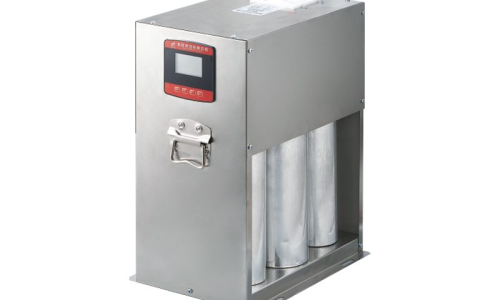
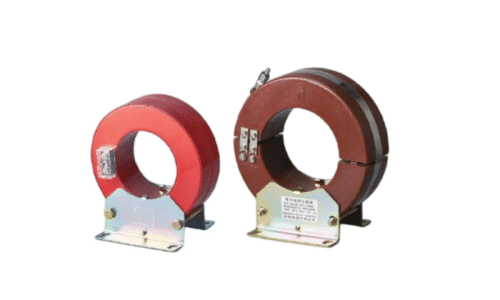
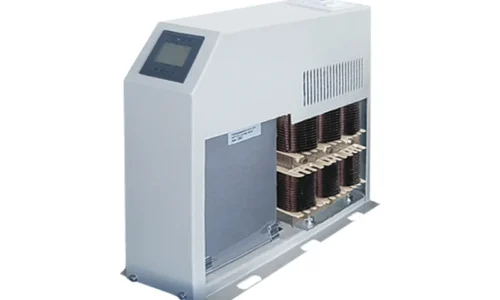
In the construction of high voltage power capacitors, both outgoing bushings and incoming bushings play a vital role. The outgoing bushing serves as a critical bridge between the internal current of the capacitor and the external circuit. Its design must be highly precise, taking into full account current-carrying capacity, voltage rating, and insulation performance to ensure stable and efficient power extraction in high-voltage environments. Similarly, the incoming bushing is responsible for safely guiding external current into the capacitor interior. Its structure must coordinate with the outgoing bushing to maintain electrical connection integrity and overall system reliability.
In terms of design, both types of bushings must withstand multiple challenges such as high electric field strength, thermal stress, and mechanical vibration. They are often manufactured from high-performance ceramics, composite insulating materials, or impregnated fibers to balance dielectric strength, heat resistance, and structural stability. Their shape and internal construction are typically optimized through electric field simulation to prevent partial discharge and ensure long-term resistance to environmental factors such as humidity and contamination.
Table of Contents
Provide electrical connection
The outgoing bushing serves as the critical electrical interface between the high voltage power capacitor and the external power grid, ensuring a safe and reliable connection to high-voltage grid lines. Through the outgoing bushing, the capacitor can effectively transfer compensated reactive power into the grid. This component is designed to withstand high electrical stresses and maintain stable insulation under continuous operational voltage. Its robust construction and material selection are essential to support the capacitor’s role in improving grid power factor, stabilizing voltage, and enhancing overall system efficiency. Thus, the outgoing bushing not only enables physical linkage but also facilitates the functional integration of the capacitor within the broader grid infrastructure.
In practice, the insulation system is also designed to withstand environmental stresses such as temperature fluctuations, moisture, and pollution. Advanced bushings may incorporate graded insulation or corona shields to control electric field distribution, thereby minimizing the risk of partial discharge—a key factor in long-term insulation degradation. Regular testing and compliance with international standards (e.g., IEC, IEEE) further ensure that the bushing maintains its insulating integrity throughout the high voltage power capacitor’s operational life, supporting stable and safe reactive power compensation in grid applications.
Insulation effect
The outgoing bushing of a parallel high voltage capacitor must provide excellent insulation properties to ensure the internal electrical connection of the capacitor does not short-circuit or leak current to the ground or adjacent equipment. Typically constructed from specialized materials such as porcelain, composite polymers, or silicone rubber, the insulating material of the outgoing bushing is engineered to deliver high dielectric strength and reliable voltage tolerance. This design prevents high-voltage breakthrough, safeguarding both the capacitor and the broader electrical system from potential damage or safety hazards.
Protective role
The outgoing bushing of a high voltage power capacitor also serves a crucial role in physical protection. It shields the capacitor’s internal terminals and connections from adverse external environmental conditions, such as rain, dust, humidity, and corrosive agents. Simultaneously, the robust design of the bushing provides a barrier against mechanical damage from impact or vibration during operation or maintenance.
Furthermore, the bushing acts as a critical safety barrier, preventing external objects or personnel from accidentally contacting the energized high-voltage terminals. This isolation is fundamental to ensuring operator safety and maintaining compliance with electrical safety standards. In summary, through its combined environmental sealing and electrical isolation functions, the outgoing bushing enhances both the long-term reliability of the high-voltage power capacitor and the overall safety of the power system in which it operates.
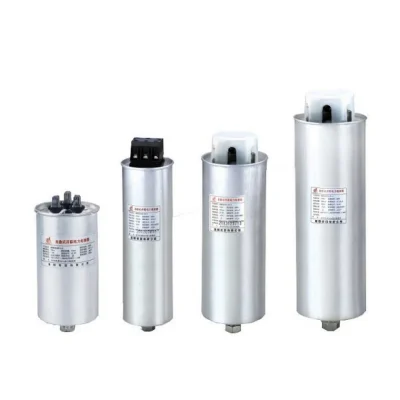
Electrical protection
The outgoing bushings of some high voltage paralel capacitors may also be designed with protective devices, such as fire protecion, corrosion resistance and othercharacteristics, to adapt to different working environments and ensure long-term reliable operation of electrical equipment.
Therefore, outgoing bushing is not only a connecting component, but also an important part to ensure the safe and stable operaton of capacitors. If you want to know more about high voltage power capacitor, please read Are Power Capacitors Useful In Power Factor Correction.
FAQ
How does the outgoing bushing ensure safety in a high voltage power capacitor?
Safety is maintained through superior insulation properties. The bushing prevents short circuits and electrical leakage to the ground. By using materials with high voltage tolerance, it ensures that the high voltage power capacitor operates without causing damage to equipment or posing safety hazards to operators.
Can outgoing bushings protect the high voltage power capacitor from environmental factors?
Yes, they play a significant physical protection role. The design of the bushing shields the capacitor’s terminals from external elements such as rain, dust, and mechanical impact. This protection is essential for the long-term reliability of the high voltage power capacitor in various working environments.