Table of Contents
Why Identifying Power Capacitor Damage Matters
A failing power capacitor doesn’t always announce itself dramatically. Sometimes, the signs are subtle—easy to miss if you’re not paying attention. But catching problems early? That can mean the difference between a simple replacement and a full-blown electrical incident. Capacitors store energy, and when they fail catastrophically, the results can be dangerous.
Most facilities rely on capacitors for power factor correction, voltage stabilization, and overall system efficiency. When one starts to degrade, it affects more than just that single component. The ripple effects show up in energy bills, equipment performance, and sometimes, safety records.
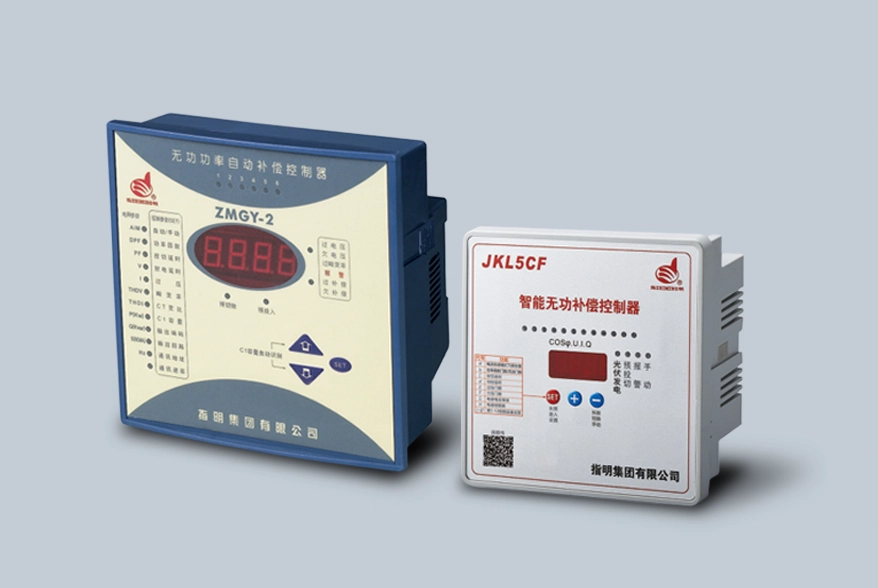
Audible Warning Signs of a Damaged Power Capacitor
What a Healthy Capacitor Sounds Like
Under normal conditions, a capacitor operates quietly. Maybe there’s a faint hum—barely noticeable in a busy electrical room where transformers drone and ventilation fans create constant background noise. That’s about it, really. Some technicians who’ve worked around this equipment for years say they can almost sense when something sounds “off,” even before measurements confirm a problem. The baseline sound profile matters more than people realize. A power capacitor that’s been humming the same way for five years suddenly developing a different tone? That shift deserves attention, even when everything else checks out fine on paper.
Sounds That Indicate Trouble
When things go wrong internally, the sounds change. Here’s what to listen for:
- Crackling or sizzling noises
- Intermittent popping
- Loud buzzing that wasn’t there before
- Arcing sounds (sharp, electrical snaps)
These audible changes often point to internal arcing. The insulation between plates may have broken down, or moisture has infiltrated the unit. Either way, it’s not something to ignore. Internal arcing generates heat, and heat accelerates failure.
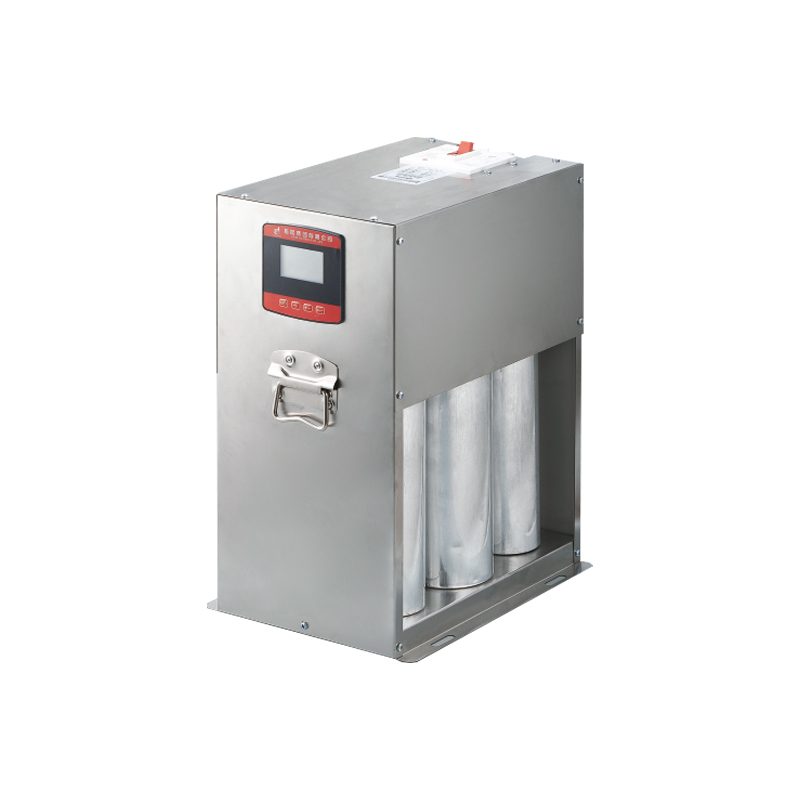
Physical Changes in a Failing Power Capacitor
Visual inspection catches what ears might miss. Walking through the electrical room regularly—actually looking at equipment rather than just passing through—reveals problems before they escalate into emergencies. It’s surprising how many issues get spotted simply because someone took the time to look. Maintenance teams that schedule weekly walkthroughs tend to catch capacitor degradation earlier than those relying solely on scheduled testing intervals. The thing is, electrical rooms are noisy and often uncomfortably warm, so there’s a natural tendency to minimize time spent in them. But that five or ten minutes of careful observation can prevent hours of unplanned downtime later. A power capacitor showing early signs of stress—slight discoloration near terminals, minor bulging that wasn’t there last month—gives warning before complete failure occurs. These visual cues don’t require specialized equipment or advanced training to notice. Just attention, consistency, and knowing what the equipment looked like when it was healthy.
Common Physical Symptoms
On older oil-filled capacitors, seepage around the base or connection points is particularly telling. That oil serves as the dielectric medium—once it starts leaking, the capacitor’s ability to function properly drops significantly.
Swelling happens when internal components overheat and produce gases. The casing expands to accommodate the pressure. Sometimes it’s obvious; other times, you need to compare against a new unit to notice the difference.
Electrical Symptoms That Point to Capacitor Failure
Physical and audible signs are helpful, but electrical measurements tell the real story. A power capacitor might look fine externally while performing poorly.
Key Electrical Indicators
- Power factor correction becomes less effective—utility bills may reflect this through penalties
- Current draw in the capacitor circuit increases unexpectedly
- Circuit breakers trip or fuses blow without clear cause
- Voltage fluctuations appear in connected systems
- Capacitance measurements fall outside rated specifications
Low voltage capacitor banks in commercial facilities often show these symptoms first through monitoring systems. If the building’s power factor starts drifting, that’s worth investigating.
Testing Methods for Suspected Damage
Basic Diagnostic Approaches
- Visual inspection (swelling, leaks, discoloration)
- Capacitance testing with appropriate meter
- Insulation resistance measurement
- Thermal imaging to detect hot spots
- Power quality analysis over time
Thermal cameras have become increasingly useful. A capacitor running hotter than its neighbors suggests internal resistance issues or approaching failure.
If you want to know more about power capacitor, please read What happens when a power capacitor fails?
FAQ
Can a damaged power capacitor explode?
Yes, though modern designs include pressure relief mechanisms. Still, older units or severely compromised capacitors can rupture violently when internal pressure exceeds casing strength. This makes early detection genuinely important.
How long does a power capacitor typically last?
Most quality units last 10-15 years under normal operating conditions. However, factors like ambient temperature, harmonic distortion, and voltage surges shorten lifespan considerably. Some fail in under five years when conditions are harsh.
Should damaged capacitors be repaired or replaced?
Replacement is almost always the answer. Capacitor repair isn’t practical for most units—the cost of opening, reconditioning, and resealing exceeds new unit pricing. Plus, repaired units carry reliability questions that make them risky for critical applications.