Table of Contents
Power capacitor: the Silent Workhorse and the Loud Exit
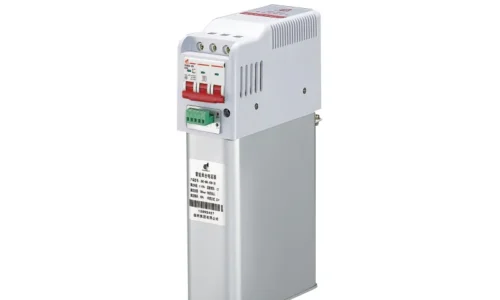
When a factory floor goes silent or the HVAC system in an office building suddenly shudders to a halt, the immediate reaction is usually confusion. In these moments, the culprit is often a relatively simple metal can tucked away in a cabinet: the power capacitor.
These components don’t move, don’t have gears, and don’t require fuel. They just sit there, correcting power factor or providing that massive jolt of torque needed to get a motor spinning. But when a power capacitor decides to quit, it rarely does so gracefully. It is a failure that ripples outward, affecting everything from the physical safety of the cabinet to the bottom line of the monthly utility bill. It’s not always an explosion, though those are the stories technicians like to tell. Sometimes, it is a slow, creeping death that eats away at efficiency until the entire system collapses under the strain.
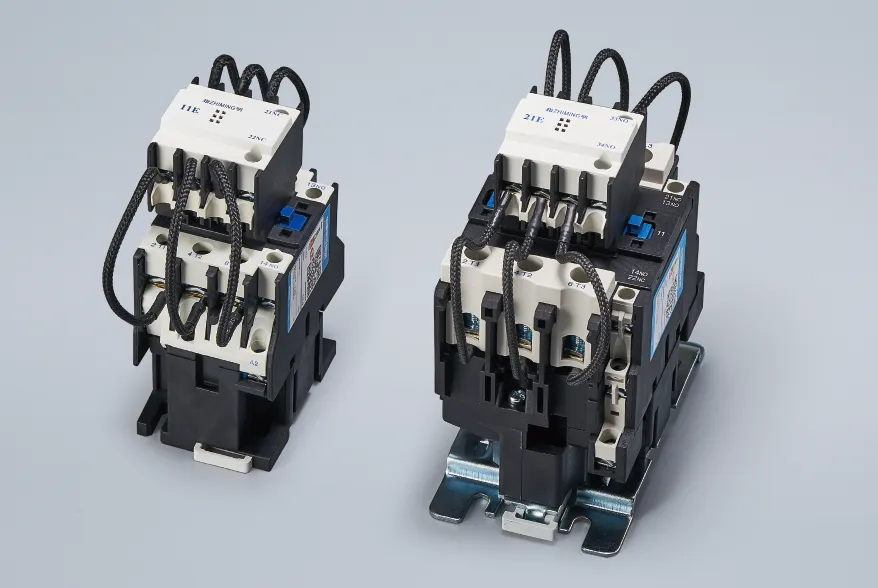
5 categories of power capacitor failure
When a power capacitor fails, the consequences ripple through the electrical system, often causing damage far more expensive than the capacitor itself. The results typically fall into five categories:
1. The Physical Aftermath of power capacitor
If you are lucky, the failure is contained. If you aren’t, it’s a mess. One of the most obvious signs that a power capacitor has failed is physical deformation. Technicians often refer to this as “mushrooming.” The internal pressure builds up due to gas generation from the dielectric breakdown, pushing the top of the aluminum can upward. It looks expanded, bloated, like a soda can left in the freezer too long.
When the internal safety interrupter fails to disconnect the element fast enough, the pressure has to go somewhere. The casing ruptures. This is where it gets unpleasant. The dielectric fluid inside—often a vegetable-based or synthetic oil—leaks out. It makes a sticky mess of the surrounding wiring, risking short circuits in the contactors or relays located below it. And then there is the smell. It is a distinct, acrid odor of burnt chemicals and hot oil that seems to stick to clothing and hang in the electrical room for days.
2. The Financial Hit: Power Factor Penalties
Not all failures are violent. Some are invisible. A power capacitor can lose its capacitance over time—simply drying out or suffering from internal micro-shorts that “heal” but reduce the overall storage capacity. When this happens, the machine might still run. The motor still spins. But the electrical efficiency plummets.
Industrial facilities are usually billed not just for the power they use, but for the efficiency of that usage, known as the Power Factor (PF). A healthy system might run at a 0.95 PF. If a bank of capacitors fails silently, that number could drop to 0.70 or lower.
The utility company notices this immediately. They have to push more current down the lines to do the same amount of work, and they charge for that privilege. It is not uncommon for a facility to unknowingly run with failed capacitors for months, only realizing the issue when the accountant asks why the “Reactive Power Charge” on the bill has suddenly jumped by 15% or 20%. It is a waste of money that yields absolutely no production value.
3. Stress on the Electrical Infrastructure
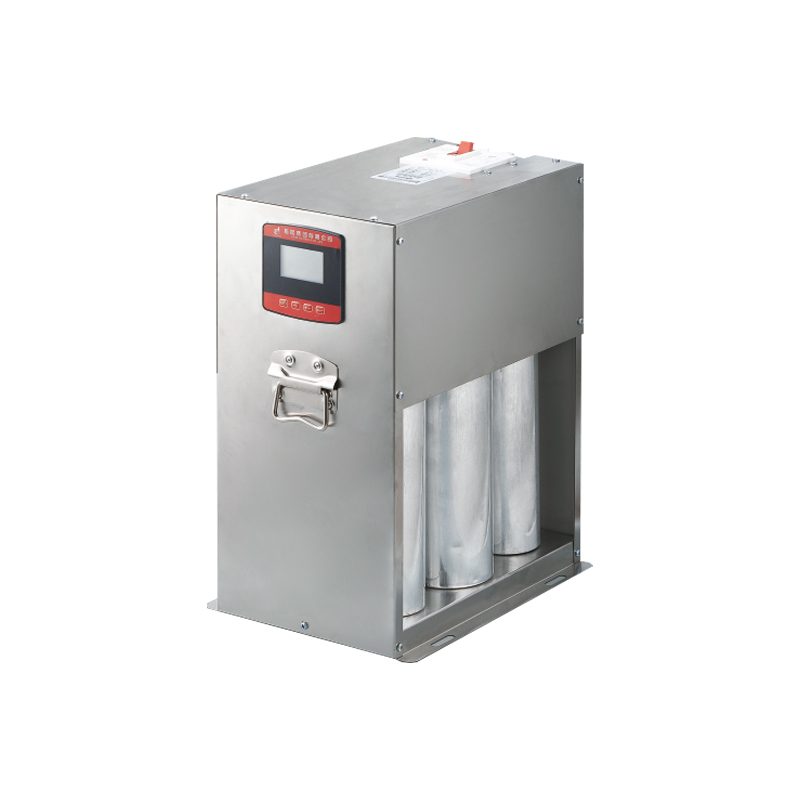
When a power capacitor fails to do its job, the amps have to come from somewhere else. Without the local storage the capacitor provides, the system pulls more current directly from the mains supply. This excess current creates heat—the enemy of all electronics.
Cables that were running cool suddenly start to warm up. Transformers operate closer to their thermal limits. It is a chain reaction. A general rule of thumb in electronics, often cited in engineering data, is that for every 10°C rise in operating temperature, the life expectancy of insulation is cut in half. By failing to correct the load, a dead capacitor is effectively shortening the life of every cable and switch in the circuit.
4. The Motor Killer
The most expensive consequence of a bad power capacitor usually isn’t the capacitor itself—it is the motor it was supposed to support.
Start capacitors and run capacitors are critical for the health of single-phase motors and some three-phase assists. If a start capacitor is weak, the motor struggles to get up to speed. It hangs in that low-RPM, high-current state for too long. The windings heat up rapidly. You can hear it; the motor makes a growling sound rather than a smooth whir.
If the run capacitor is the issue, the motor might run, but the magnetic field inside is uneven. The rotor effectively “wobbles” magnetically, creating vibration and excess heat. Real-world data suggests that a voltage imbalance or improper capacitance causing just a 5% increase in current imbalance can lead to a 25% increase in motor heating. Eventually, the insulation on the motor windings melts, and the motor burns out. Replacing a $20 capacitor is annoying; replacing a $2,000 compressor or conveyor motor is a disaster.
5. Harmonic Distortion and Ghost Problems
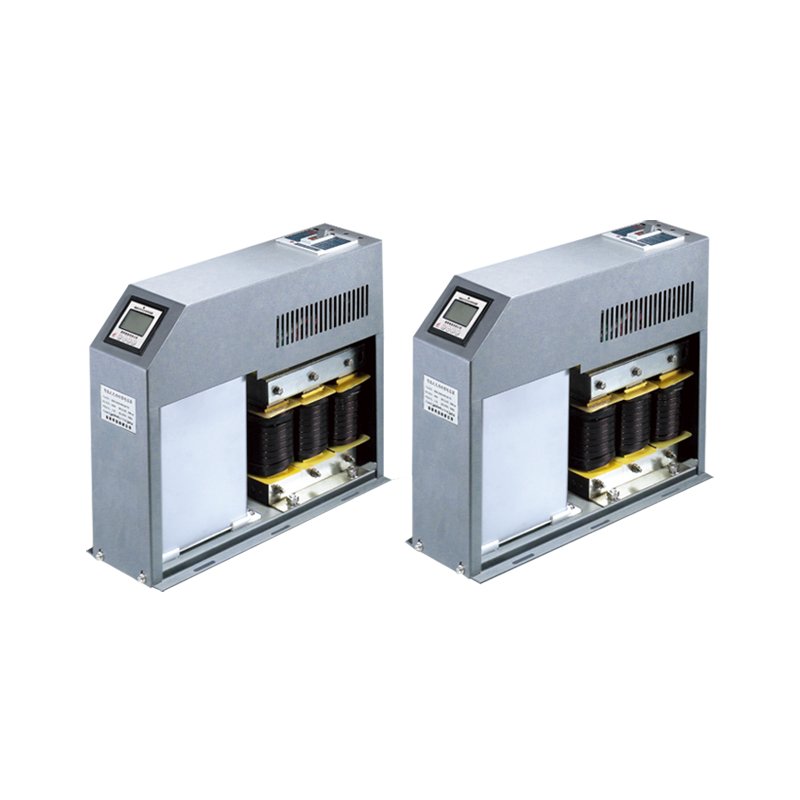
There is a weirder side to this, too. In modern plants filled with variable frequency drives (VFDs) and LED lighting, power capacitors often act as filters for electrical noise (harmonics). When they fail, that noise has nowhere to go.
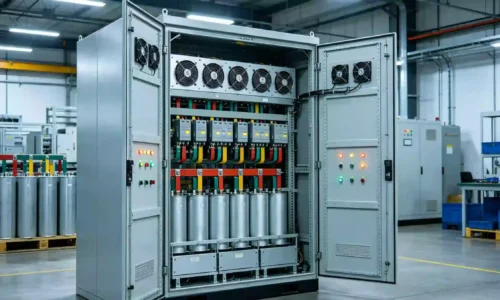
This results in “ghost” problems. A computer on the other side of the building might reboot randomly. A sensor on a production line might trigger a false alarm. The lights might flicker in a rhythmic pattern. Technicians can spend days chasing these software glitches or sensor errors, never realizing that the root cause is a blown high voltage capacitor in the main distribution panel that is no longer filtering the line noise. It introduces a level of instability that makes the whole electrical network feel haunted.
The Final Verdict of power capacitor
Ultimately, a power capacitor is a consumable item. They don’t last forever. Heat, voltage spikes, and time eventually degrade the dielectric film inside. Whether it goes out with a spectacular bang and a cloud of smoke, or simply fades away silently while driving up the electric bill, the result is the same: system stress.
Ignoring these components because the machine is “still running” is a risky strategy. The damage to motors, the increased energy costs, and the risk of unexpected downtime far outweigh the effort of routine testing. When the magic smoke gets out, it’s usually too late to save the surrounding parts.