In any industrial plant or even a small workshop, electricity feels a bit unpredictable—it hums, surges, and occasionally misbehaves. One component quietly handles much of that chaos: the line power capacitor. It is not the most glamorous piece of hardware. Usually, it sits inside a dull metal cabinet or on a distribution panel, but its presence keeps motors efficient and transformers well-behaved. Observing how these power capacitors work within the lines connecting an entire facility often reveals the invisible role they play in tuning electrical balance.
Unlike tiny capacitors found on circuit boards, line capacitors deal with heavier currents and higher voltages. They sit at strategic points along the electrical network—usually near large machinery or at feeders—acting like silent compensators for irregularities in reactive power. Without them, energy distribution becomes less efficient, and the electrical grid feels under constant strain.
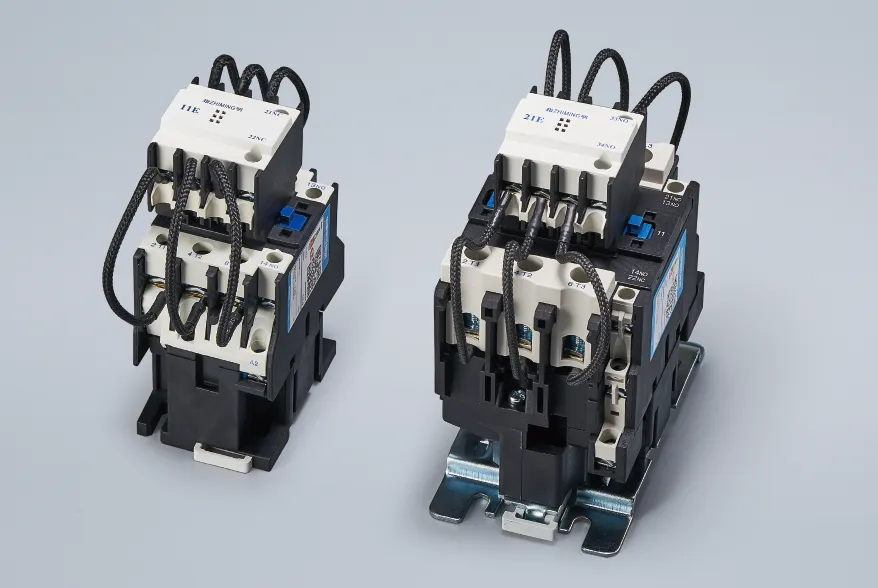
Table of Contents
Understanding the Role of Power Capacitors on the Line
When electricity flows through equipment that includes motors, fluorescent lamps, or transformers, it doesn’t only carry useful (active) power. It also carries reactive power—an oscillating component that doesn’t perform real work but still loads the system. A power capacitor works as a countermeasure to that problem.
To simplify what happens:
- The capacitor generates reactive power equal in magnitude but opposite in phase to what inductive loads consume.
- The result is power factor correction—meaning, the current and voltage waves move back into sync.
- This synchronization translates directly into reduced losses and lower electricity bills for facilities.
Many engineers describe the experience visually: before compensation, the power meter needle swings wildly; after installing line power capacitors, it steadies as if the system had finally found its rhythm.
How Line Power Capacitors Improve Power Quality
Power quality is a vague term, but in practice it refers to how “clean” and stable electrical energy feels when reaching the load. Line power capacitors assist in maintaining this cleanliness. They mitigate voltage drops, stabilize fluctuating reactive currents, and above all, prevent overloading of supply cables.
Benefits in Everyday Operation
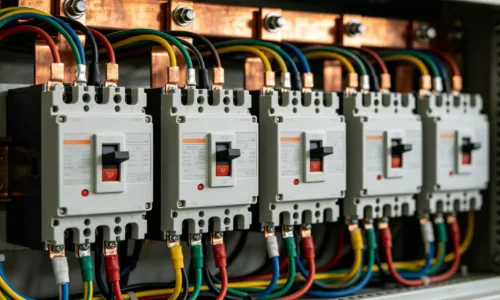
The installation of these capacitors doesn’t only help machinery operators. Even the maintenance team notices fewer breakdowns related to heating cables or tripped breakers. It may sound minor, but temperature regulation in feeder wires and transformers can change drastically once the system’s reactive current is balanced.
Main improvements observed:
- Smoother voltage across all three phases.
- Reduced harmonic distortion (especially when properly tuned with filters).
- Lower apparent load on generators and transformers.
- Extending the lifespan of wiring insulation due to reduced heat buildup.
Most energy management departments consider power capacitors one of the cheapest efficiency upgrades. It’s the sort of improvement that is hard to photograph—but noticeable in reports and electricity statements after a few billing cycles.
Typical Types of Line Power Capacitors
Not every capacitor on the power line is built alike. The variation comes from voltage rating, dielectric materials, and cooling design. Some are clearly meant for industrial-grade correction, others for smaller distribution panels. A simple table helps illustrate this distinction:
| Capacitor Type | Rated Voltage Range | Application Scope | Common Appearance |
|---|---|---|---|
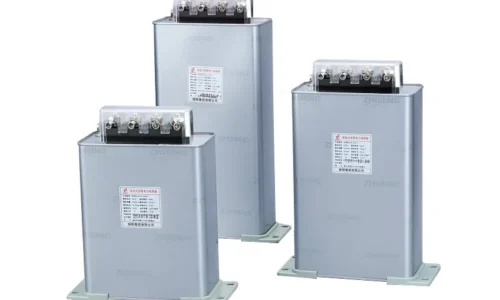
| Low-Voltage Power Capacitor | Below 1 kV | Used in small factories, individual motor banks, or commercial lighting grids. | Compact metal container, sometimes plastic-cased, mounted near control boards. |
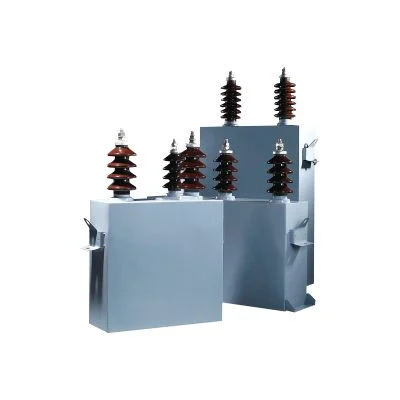
| High-Voltage Power Capacitor | 1 kV and above | Installed in substations or along feeder lines for heavy industrial loads and energy transmission. | Large rectangular metal boxes or cylindrical canisters with porcelain bushings. |
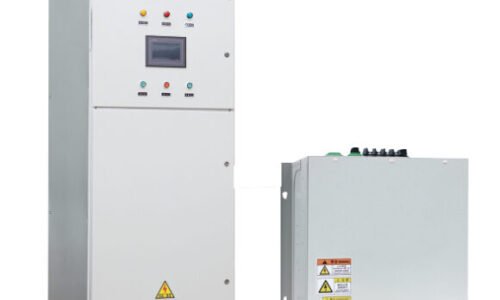
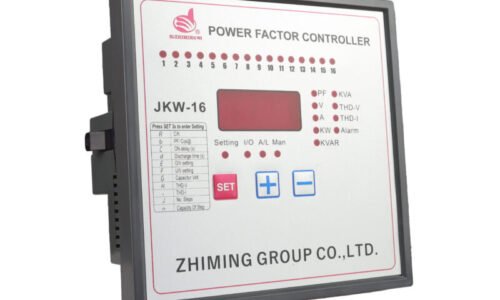
| Automatic Switched Capacitor Bank | Variable | For dynamic compensation depending on actual load conditions. | Multiple capacitor units connected to a switch-controller cabinet. |
The Working Principle
Although the formulas behind it might frighten those who avoid mathematics, the underlying concept is intuitive. The capacitor stores energy in an electric field and releases it slightly delayed compared to the current wave. This small time shift has a large effect—it counters the lag introduced by inductive loads.
Step-by-step view:
- The current drawn by motors lags behind voltage due to magnetic fields.
- The power capacitor injects a leading current into the circuit.
- Both effects partially cancel, flattening the wave phase difference.
- Apparent power decreases, improving overall efficiency.
This interaction feels almost musical—an orchestrated balance between opposing energy flows that finally sound right together.
Observing Line Capacitor Behavior and Maintenance
In practice, the health of line capacitors influences a plant’s stability. Faulty units cause unusual readings in power meters, or subtle flicker on lights. There’s even the occasional pop sound from overworked banks. Regular inspection schedules are therefore vital.
Simple maintenance checklist:
- Watch for bulging or leaking casings.
- Measure capacitance drop with suitable instruments periodically.
- Clean dust and check for proper cooling airflow.
- Monitor temperature—overheated capacitors indicate reactive imbalance.
The visual signs often come before electrical ones. When a system’s power factor suddenly drops below 0.9 without obvious reason, technicians instinctively check the capacitor banks first.
Safety and Installation Considerations
Even though their purpose is peaceful correction, power capacitors can store dangerous amounts of energy. Large banks especially require discharge resistors to ensure safe handling. After shutdown, residual charge can persist for minutes. Safety regulations advise grounding and waiting periods before touching connection terminals.
For installation:
- Ensure proper ventilation—capacitors tend to age faster under heat.
- Include contactors controlled by voltage sensors for automated operation.
- Mount solidly to prevent vibration, as oscillation can loosen connections.
Neglecting these details can lead to failures that seem mysterious but result simply from movement and thermal stress.
Resource
For deeper exploration of the theory behind line power capacitors and power factor correction, verified pages offer clear explanations:
- Wikipedia: Power Factor: Provides definitions and practical examples of reactive power and correction with capacitor banks.
FAQ
Why are line power capacitors necessary in modern grids?
Modern electrical systems are full of inductive loads, from motors to fluorescent lights. Power capacitors restore balance by supplying opposite reactive current, preventing wasted capacity in transmission lines.
How often should power capacitors be inspected or replaced?
Most facilities schedule inspection every six months. Replacement depends on operating temperature and voltage. Typically, well-maintained units last 8–10 years before noticeable degradation.
Can power capacitors reduce harmonic distortion?
Yes, if designed with harmonic filters. However, incorrect rating may amplify certain frequencies. Proper tuning and selection are essential for effective correction.