Power factor correction seems simple enough in theory. Add capacitors, offset reactive power from inductive loads, improve efficiency. But how those capacitors get applied—that’s where things diverge.
Two main approaches exist: fixed and switched. Both use capacitors to supply reactive power. Both improve power factor. But they operate quite differently, and choosing the wrong type for a given application leads to problems.
The distinction matters more than some people realize. A capacitor bank represents a significant investment, and getting it right the first time saves headaches down the road.
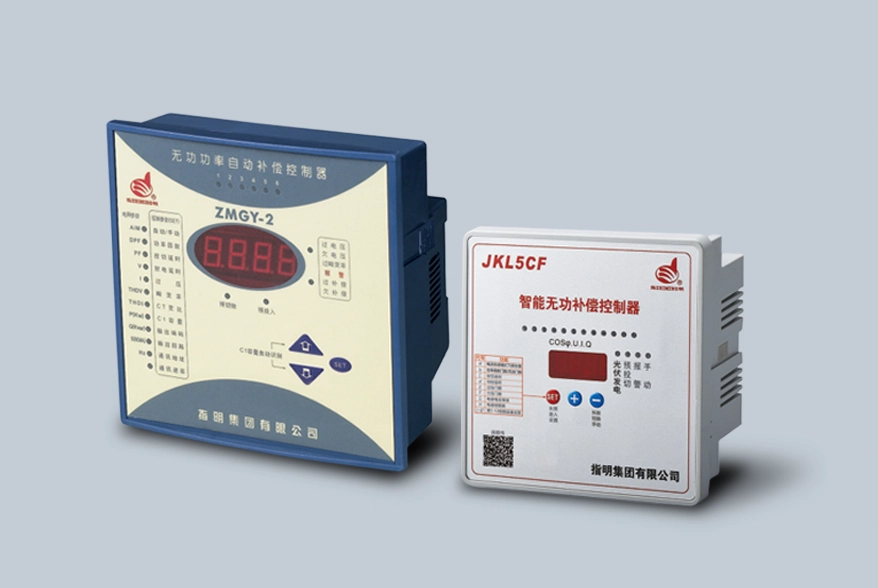
Table of Contents
How a Fixed Capacitor Bank Operates
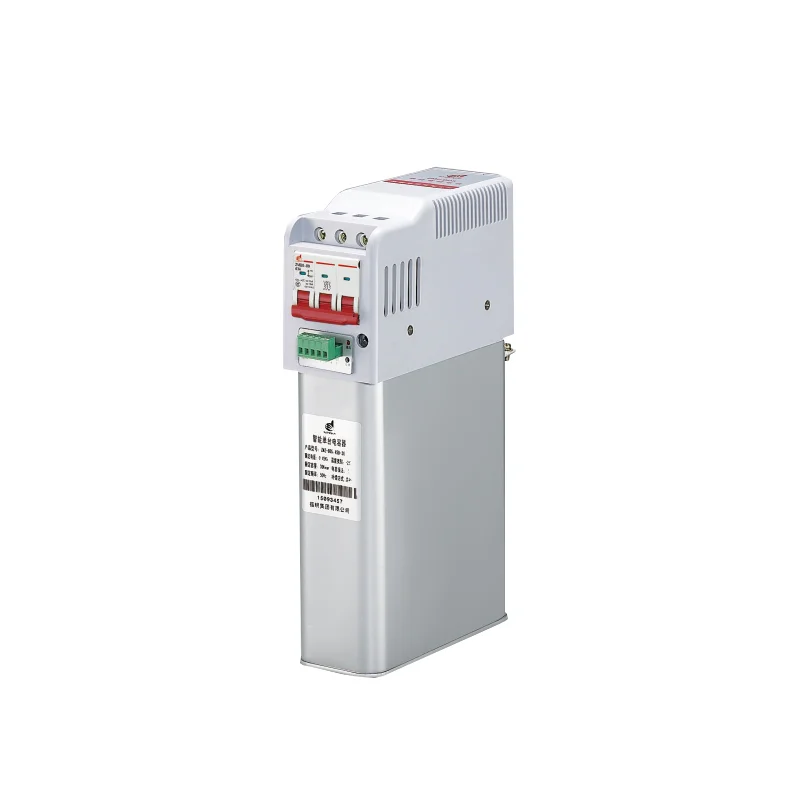
The name says it all, really. Fixed means fixed. Connect it to the system, and it stays connected. No adjustment, no variation, no automatic response to changing conditions.
Simple and Steady
A fixed capacitor bank provides constant reactive power compensation. Turn it on in the morning, turn it off at night—or leave it running continuously. Either way, the compensation level remains unchanged.
This simplicity has appeal:
- Lower initial cost
- Minimal maintenance requirements
- No controllers to fail or configure
- Reliable long-term operation
- Quick installation
Best Applications for Fixed Systems
Fixed compensation works well when loads stay relatively consistent. Manufacturing processes running around the clock at steady output. Large motors operating continuously. Base-load compensation for transformers.
The problem arises when loads fluctuate. Too much compensation during light load periods causes overcorrection—leading power factor, elevated voltage, potential equipment stress.
How a Switched Capacitor Bank Functions
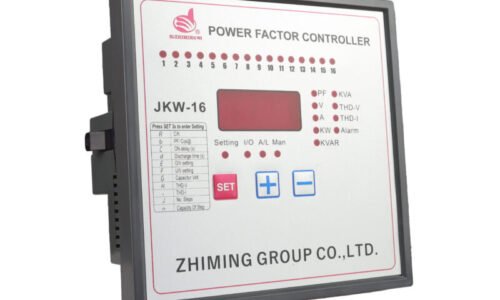
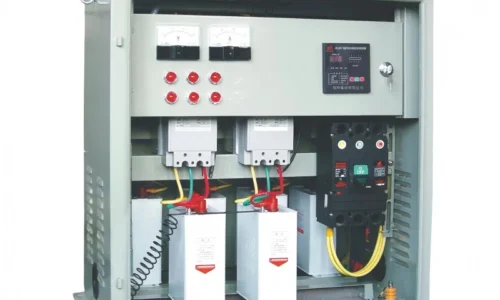
Switched systems take a smarter approach. Multiple capacitor stages get switched on or off based on actual system conditions. A controller monitors power factor and adjusts compensation accordingly.
Automatic Adjustment
Most switched installations divide total compensation into steps. A 300 kVAr system might have six 50 kVAr stages, for example. The controller adds or removes stages to maintain target power factor as loads change throughout the day.
This responsiveness offers advantages:
- Precise power factor control regardless of load variations
- No overcorrection during light load periods
- Optimal compensation at all operating points
- Better voltage regulation across conditions
- Maximum utility bill savings
Control Methods
Different switching technologies exist. Traditional contactors work for applications with moderate switching frequency. Thyristor switches handle rapid adjustments without mechanical wear. Each has its place depending on how quickly loads change.
Key Differences Between Fixed and Switched Capacitor Bank Systems
Feature | Fixed | Switched |
Initial Cost | Lower | Higher |
Maintenance | Minimal | Moderate |
Load Flexibility | Poor | Excellent |
Control Complexity | None | Controller required |
Overcorrection Risk | Higher with variable loads | Low |
Precision | Single operating point | Adjustable to conditions |
Installation Time | Faster | More involved |
Choosing the Right Capacitor Bank Type
Load Profile Considerations
How much do loads vary? A facility running the same equipment at the same levels around the clock might do fine with fixed compensation. But operations that ramp up and down, run different shifts, or have seasonal variations typically need switched systems.
Budget and Complexity Tolerance
Fixed systems cost less upfront and require less expertise to maintain. Smaller facilities without dedicated electrical staff often prefer this simplicity. Larger operations with engineering resources can handle switched system complexity more easily.
Utility Rate Structures
Some utilities penalize overcorrection as severely as undercorrection. In those cases, the precise control of switched systems pays for itself through avoided penalties.
Hybrid Approaches
Sometimes the answer is both. A hybrid installation might use a fixed capacitor bank for base compensation—covering the minimum reactive load that’s always present—plus a switched portion for variable compensation above that baseline.
This approach captures some cost savings from fixed equipment while maintaining flexibility where needed. If you want to know more about fixed capacitor bank, please read What is a fixed capacitor bank.
FAQ
Can a fixed system be converted to switched later?
Generally no—at least not easily. The control systems, switching equipment, and wiring differ substantially. Converting typically costs more than installing switched from the beginning. Better to size the initial system appropriately for current and anticipated future needs.
Which type lasts longer?
Fixed capacitor bank installations typically have longer service lives because they experience less switching stress. Switched systems put more wear on contactors and capacitors through repeated energization cycles. However, proper design and quality components keep switched systems running reliably for many years.
Do switched systems cost significantly more to maintain?
Maintenance costs are moderately higher for switched systems. Controllers need periodic attention, contactors eventually require replacement, and more components mean more potential failure points. The difference isn’t dramatic though, and the operational benefits often outweigh the extra maintenance burden.