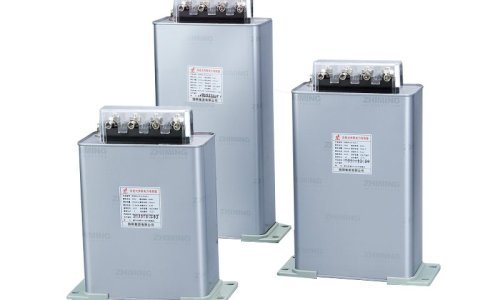
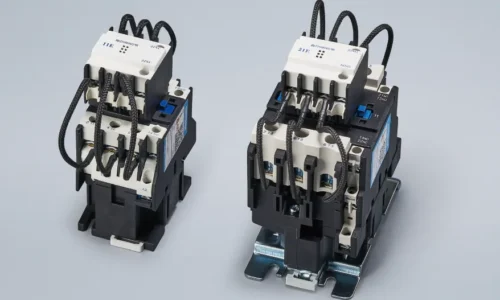
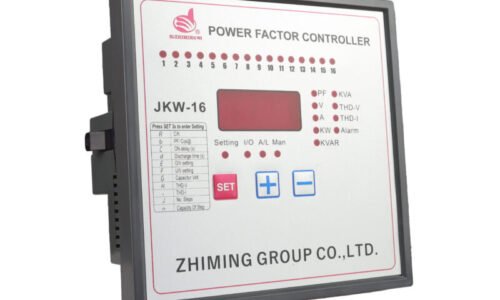
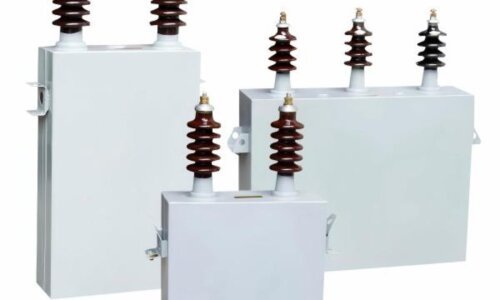
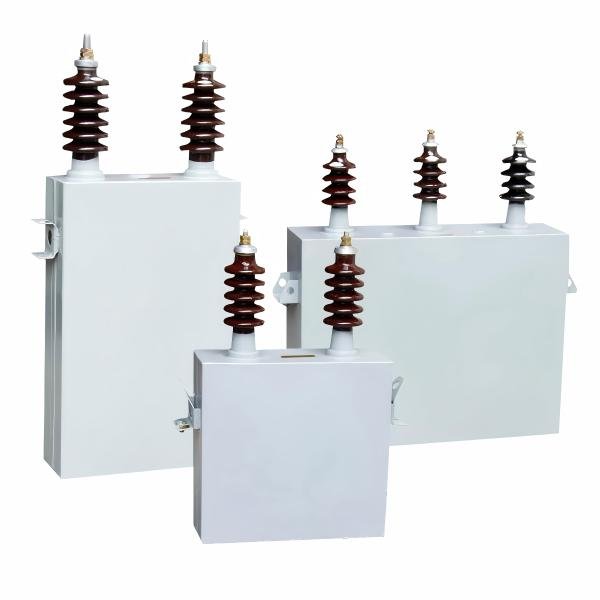
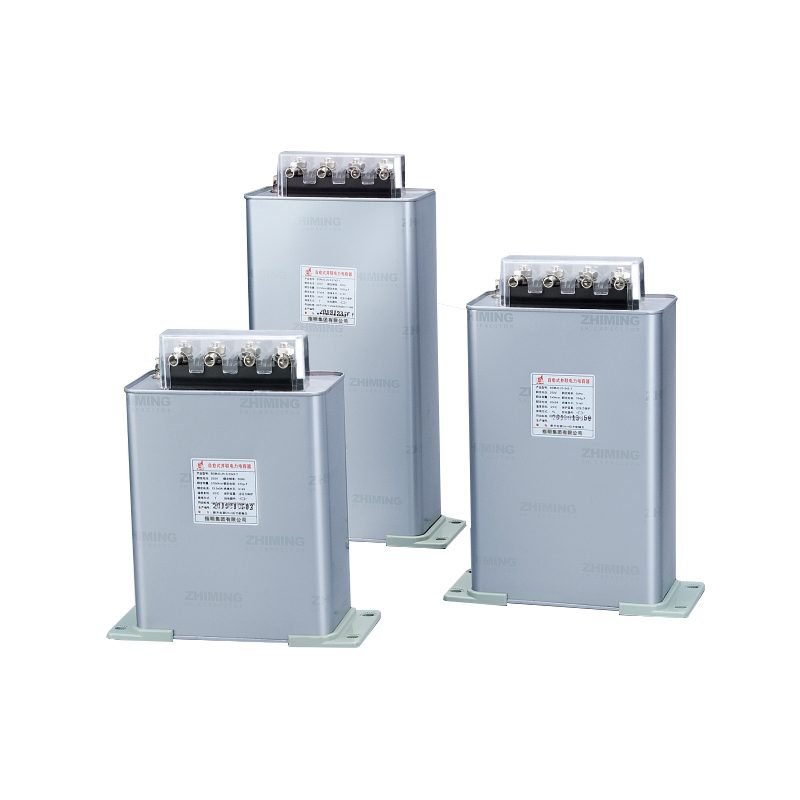
When we talk about a damaged capacitor, we’re not talking about the tiny, thimble-sized components on a computer motherboard. We’re talking about the industrial workhorses: the power capacitors. These are the metal-cased, book-sized (or shoebox-sized) units, just like the ones used for power factor correction, that live inside electrical rooms and large control panels.
Their job is essential. In any facility with large motors or heavy machinery, these capacitors work to correct the “power factor,” which is a vital measure of electrical efficiency. A bad power factor means the building is drawing “useless” power, which wastes energy and, worse, leads to significant financial penalties from the utility company.
These capacitor banks are the solution. But they operate under constant stress, 24/7. And when they fail, they really fail. Finding a damaged capacitor in one of these banks isn’t just about saving money; it’s a critical safety and operational issue. A single failing unit can unbalance the entire system, overload other components, and lead to a sudden, costly shutdown.
The signs of failure can be dramatic, but sometimes they are frustratingly subtle.
The Obvious Signs: Visual and Audible Clues
Sometimes, a failing unit is “loud” about its problems. A routine visual inspection (always from a safe distance, with the panel door open only by qualified personnel) is the first and easiest check.
- Case Swelling or Deformation: This is the most common tell-tale sign. These capacitors are housed in sealed, rectangular metal cans. When an internal fault occurs, it generates gas. This pressure builds up and causes the can to visibly swell, bulging the top or sides. A healthy capacitor has flat, true surfaces. A swollen one is a damaged capacitor, period.
- Leaking Fluid: These units are filled with a dielectric fluid. If you see an oily residue on the capacitor’s terminals, streaking down the side of the can, or pooling on the floor of the cabinet, it’s a critical failure. The internal seal has breached.
- Rupture and Soot: This is the worst-case scenario. The internal pressure from a fault becomes so great that the can’s safety vent or seams burst. This is often accompanied by a loud “pop” or “bang,” tripping the main breaker for the bank. You’ll find black soot marks, signs of an arc flash, and a very obvious (and messy) failure.
- Loud Buzzing: A healthy capacitor bank often has a faint, steady 50/60Hz hum. That’s normal. What isn’t normal is a loud, angry, rattling buzz or a sharp crackling sound. This indicates internal arcing and is a sign of imminent failure.
The “Silent” Failures: When the Data Goes Bad
More often, a damaged capacitor doesn’t explode. It just quietly dies and stops doing its job. The first clue isn’t smoke; it’s math.
The most common symptom is discovered by the accounting department: the utility bill. That “Power Factor Penalty” or “kVAR Demand Charge” that the capacitor bank was installed to eliminate suddenly reappears. This is a massive red flag that your PFC bank is no longer working effectively.
You may also see other system-level issues:
- Nuisance Tripping: The specific fuses or breakers that protect the capacitor bank start tripping. As individual units fail (often by blowing their internal fuse), the remaining healthy units in the bank have to pull more current to compensate, which can lead to an overload.
- Overheating: Without the capacitors, the entire system has to carry more reactive current. This “useless” current still generates heat. Maintenance staff might use a thermal imager on a main feeder or transformer and find it’s running 10-15 degrees hotter than usual for no apparent reason.
- Voltage Sags: The very issue the capacitors were meant to solve might return. You may notice lights flickering when a large motor starts, or sensitive equipment tripping on under-voltage alarms.
Finding the Culprit: How to Test the Bank
So, you suspect a bad capacitor. How do you find the specific failing unit in a cabinet bank of 20?
Extreme Safety Warning: This is not a job for a hobbyist. These capacitors store a lethal electrical charge, even when the power is off. This work must only be performed by a qualified electrician following strict Lockout/Tagout (LOTO) procedures and using proper personal protective equipment (PPE).
- Thermal Imaging: This is the fastest, safest first check. A technician will open the energized panel (wearing arc-flash protection) and scan the bank with a thermal camera. A failing capacitor struggling with high internal resistance will glow significantly hotter than its neighbors. Conversely, a unit that has failed “open” (its internal fuse has blown) will appear cold, as no current is flowing through it.
- Capacitance Measurement (The Definitive Test): This is the only way to be 100% certain.
- First, the bank is completely de-energized, locked out, and verified as dead.
- Next, a waiting period is mandatory (e.g., 5-10 minutes) for the internal discharge resistors to bleed off the stored charge.
- As a final safety step, the terminals are physically shorted to ground with an insulated tool.
- Only then can the technician safely disconnect the bus bars from the top of the capacitor and test it with a specialized LCR meter or a multimeter with a high capacitance range.
A healthy capacitor will test very close to its rated value (e.g., within -5% to +10%). A damaged capacitor will read significantly low (e.g., a 100µF unit reading 20µF) or will read “OL” (Open Loop), indicating its internal fuse has blown. This is the smoking gun, and that unit is definitively bad.
Now that you’ve confirmed the failure, the next critical step is selecting the correct replacement component to get your system back online. To ensure you match the voltage, kVAR rating, and physical specifications perfectly, you can read our detailed guide: How to choose a power capacitor?