Power capacitors are the unsung heroes of an industrial or commercial electrical system. They sit in a metal cabinet, day in and day out, quietly saving the facility money by improving electrical efficiency. They just work.
Until they don’t.
The problem is, a failing power capacitor doesn’t always announce its retirement with a dramatic bang (though, sometimes it does). Often, the failure is slow, silent, and can go unnoticed for months, all while costing the business money. So, how do you know if your power capacitor needs replacing?
It’s a bit of detective work, really. The clues range from subtle changes on your utility bill to obvious, undeniable physical damage.
Table of Contents
The “Silent” Clues: When the Numbers Go Wrong
It’s a strange thing, but the first sign of a bad power capacitor often comes from the accounting department, not the maintenance shop.
- Your Utility Bill Suddenly Spikes: This is the big one. Most utilities charge a hefty penalty for a poor “power factor” (often called a “kVAR demand charge”). Your capacitor bank exists to eliminate this penalty. If that charge suddenly reappears on your bill, it’s a near-certainty that your power capacitor bank is offline or degraded.
- Voltage Sags Get Worse: You might notice that when a large motor kicks on, the lights in that part of the plant dim more than they used to. Capacitors help stabilize voltage, so if that stability is gone, the bank might be failing.
- Other Equipment Runs Hot: Without the capacitors doing their job, the entire electrical system has to carry more “reactive” current. This extra current doesn’t do any useful work, but it does generate heat. Maintenance staff might find that main transformers or feeder cables are running hotter than usual—sometimes by a noticeable 10-15°C.
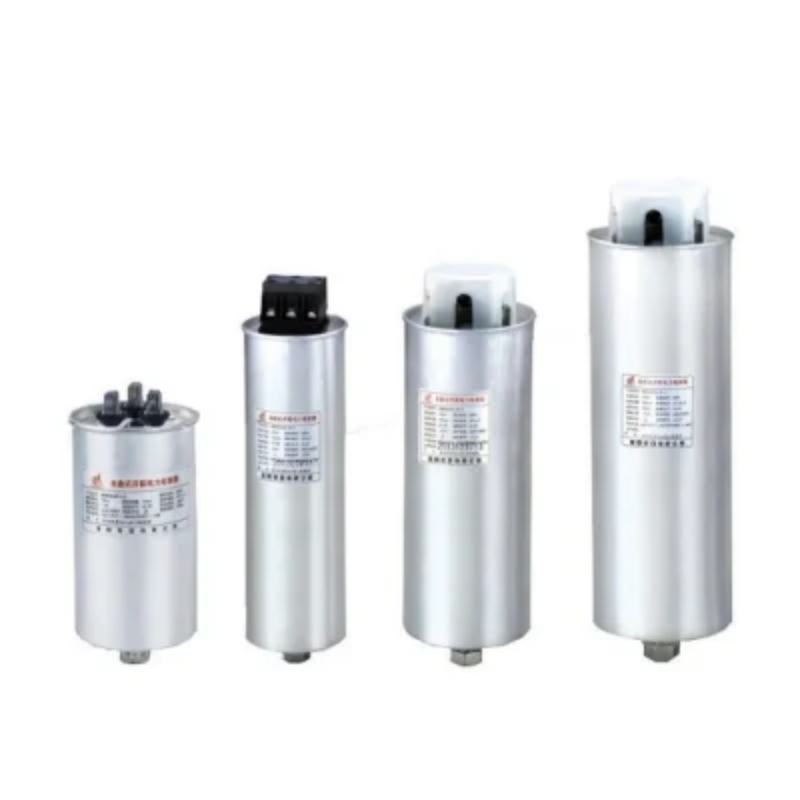
The Obvious Physical Signs
When you go to investigate why your power factor is bad, a visual inspection is the next step. This is where you’ll find the “smoking gun” evidence that a power capacitor needs replacing.
Critical Safety Warning: Never open an energized capacitor bank cabinet. These components store a lethal electrical charge, even when the power is shut off. Only qualified electricians following full Lockout/Tagout (LOTO) procedures should perform this work.
Once the bank is verified as de-energized, you’re looking for these giveaways:
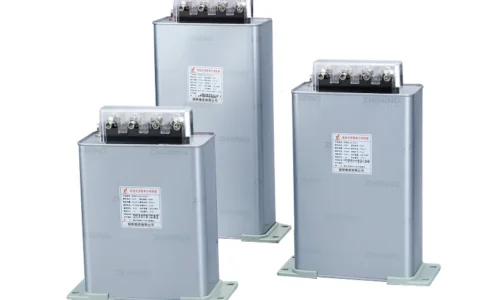
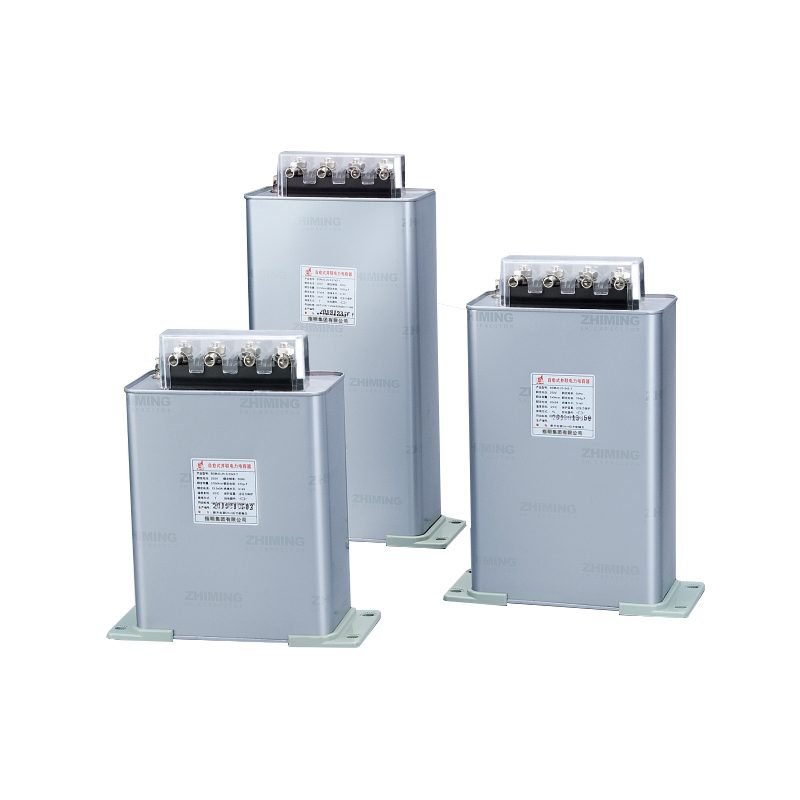
- Swelling or Bulging: This is the most common sign of failure. A healthy power capacitor has a flat top and straight sides (on a rectangular can). Internal failure generates gas, which causes the metal can to swell, bulge, or deform. If it’s not flat, it’s bad.
- Leaking Fluid: These units are filled with a dielectric fluid. If you see any oily residue on the can, the terminals, or on the cabinet floor, the seals have failed. The unit is compromised and must be replaced.
- Rupture or Soot: This is the dramatic failure. The internal pressure built up so high that the can’s safety vent or seams burst open. You’ll see black soot, signs of an arc, and a very obvious mess.
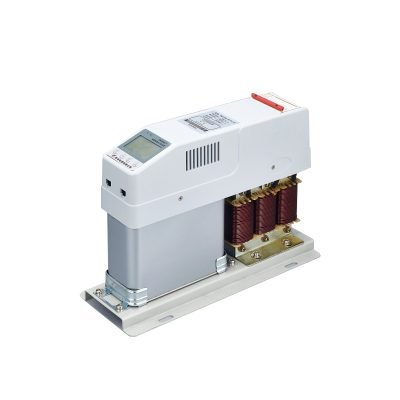
Warning Sounds: What You Might Hear
Even before you open the cabinet, your ears can be a good diagnostic tool.
A healthy, energized bank will have a very low, steady hum—that’s just the normal 50/60Hz vibration. A failing power capacitor sounds different. You might hear a loud, irregular, or angry buzzing. Even worse, you might hear a crackling or popping sound. This is the sound of internal arcing and is a sign of imminent, catastrophic failure.
Here’s a simple breakdown of the symptoms:
| Symptom | What It Likely Means |
| High Utility Bill | The bank is offline or significantly degraded. |
| Swollen/Bulging Can | Internal gas buildup; the unit is failed. |
| Leaking Fluid | The power capacitor’s internal seals are breached. |
| Cold Unit (on IR Camera) | The internal fuse has blown; the unit is dead. |
| Very Hot Unit (on IR Camera) | High internal resistance; the unit is failing. |
How to Be 100% Certain
You’ve seen the high utility bill, and you’ve visually identified a suspicious-looking can. The final step is a definitive test.
After the bank is fully de-energized and (this is critical) left to discharge for at least 5-10 minutes, a technician can test the unit. They will first ground the terminals to discharge any remaining voltage, then disconnect the unit from the bus bar.
Using a multimeter with a capacitance (µF) function or a specialized LCR meter, they will test the unit. A good power capacitor will measure very close to its rated capacitance (e.g., within -5% to +10%).
A capacitor that needs replacing will show a reading that is significantly low, or it will read “OL” (Open Loop). This “OL” reading means the internal protective fuse has blown, and the capacitor is completely dead.
Finding even one failed unit in a bank means it’s time for a replacement. A single bad power capacitor can unbalance the entire bank and cause the remaining healthy units to fail prematurely.