In modern power systems, automation equipment, and industrial control environments, capacitors play a critical role in storing electrical energy, stabilizing voltage, and improving power quality. Understanding how to charge it correctly is essential for engineers, maintenance teams, and purchasing departments in power distribution, machinery manufacturing, and electrical component integration. Improper capacitor charging can lead to equipment damage, shortened lifespan, and unnecessary operational risks. Therefore, a clear and structured guideline is necessary for B2B buyers making decisions about selection, installation, and commissioning.
Table of Contents
Understanding Capacitors in Industrial Electrical Systems
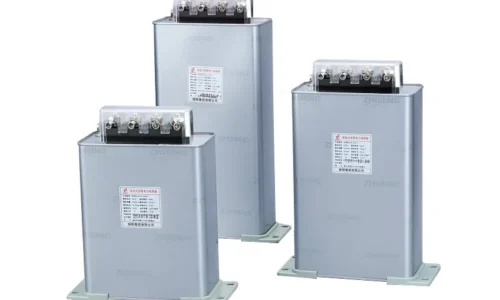
A capacitor is an energy-storage component that holds and releases electrical charge. It functions by accumulating energy between two conductive plates separated by an insulating material, known as the dielectric. When voltage is applied, electrons build up on one plate, creating an electric field. Once the voltage source is removed, that stored energy becomes available for use. They are widely applied in:
- Power factor correction
- Filter circuits in power systems
- Motor starting
- Energy storage modules
- Voltage stabilization and harmonic suppression
In industrial environments, it supports higher efficiency by reducing reactive power losses and improving overall system performance. This directly impacts operating cost, equipment reliability, and long-term maintenance planning—all crucial concerns for B2B buyers.

Why Proper Charging Matters in Industrial Applications
Charging a capacitor seems straightforward, yet in industrial systems involving high voltage or power capacitors, the charging method affects:
- Component longevity
- Safety during commissioning and maintenance
- Power stability and system reliability
Incorrect charging may lead to:
- Dielectric breakdown
- Excessive inrush current
- Premature capacitor failure
- Fire hazards or other safety accidents
For factories and large power systems, incorrect handling may trigger shutdowns or unexpected outages, resulting in costly downtime. Therefore, correct charging procedures are more than technical knowledge—they directly influence business efficiency.
How to Charge: Step-by-Step Guide
The process of charging depends on the application scenario; however, industrial charging typically follows three main steps.
Step 1 — Disconnect the Power Source and Verify Safety
Before dealing with any capacitor, ensure that the power is disconnected. It retains charge even after powering off, so residual energy may still exist. Industrial safety procedures require isolation and verification before touching electrical components.
- Remove the power source
- Wait until discharge is complete
- Confirm the voltage level using proper measuring equipment
This step protects both personnel and equipment.
Step 2 — Connect the Charging Path
A capacitor charges when connected to a voltage source through a circuit that controls current flow. A resistor is commonly placed in series with it to limit inrush current. This provides a safe and gradual charging process rather than a sudden spike, which may stress it.
During this stage, it builds voltage slowly, stabilizing as energy accumulates.
Step 3 — Monitor Charging and Confirm Proper Operation
As the voltage approaches the input value, the capacitor reaches a fully charged state. In most industrial applications, measuring instruments or control modules monitor the charging process. The charging circuit must be disconnected once the capacitor reaches the intended level.
At this point, the capacitor can be integrated into the larger system—whether that is a reactive power compensation cabinet, motor starting circuit, or industrial filtering system.
Key Safety Considerations
Charging a capacitor requires strict adherence to safety best practices. Typical considerations include:
Controlled current flow
A resistor or current limiter must be placed between the power source and the capacitor.
Correct polarity
This applies especially to electrolytic capacitors. Incorrect polarity may cause an explosion or rapid failure.
Avoid touching terminals
Even after disconnection, it may still hold energy.
Therefore, sourcing it from experienced suppliers significantly reduces operational risks and improves long-term reliability. As a leading power capacitor manufacturer, our team ensures that every component undergoes rigorous quality testing to support long-term industrial performance.
Charging Methods Used in Industrial Power Systems
Different applications require different charging approaches. Three commonly used configurations include:
Direct Charging with a Resistor
A resistor slows down charging speed and protects it from sudden current surges. This method is widely used in capacitor banks and automation control systems.
Charging with a Power Supply Module
Some industrial installations use a regulated power supply to control charging behavior. This approach ensures stable voltage and predictable performance.
Charging via Capacitor Banks
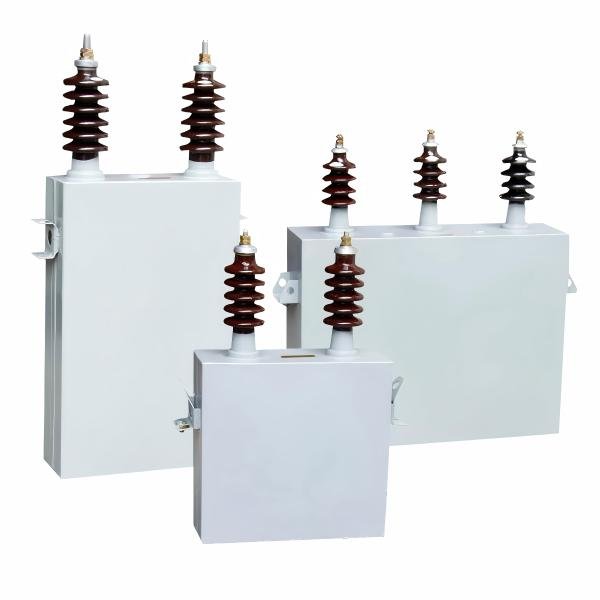
In reactive power compensation systems, it works in groups. Each capacitor module may include switches, controllers, and monitoring units. Such systems charge and discharge dynamically to maintain grid stability and reduce energy waste.
For users seeking deeper operational insight into performance during power cycling, additional reading is recommended. For more information, see our article How to check if a power capacitor has power?
Business Value for B2B Buyers
When selecting a supplier, enterprise customers expect:
- Stable and reliable product quality
- Professional after-sales support
- Technical guidance during installation
- Consistent delivery and large-scale supply capability
These expectations are core to B2B procurement strategies. Choosing a supplier with strong technical competence improves overall cost efficiency across the full lifecycle of use—from commissioning to long-term maintenance.
Conclusion
Knowing how to charge correctly ensures safer installation, improves energy efficiency, and prolongs equipment life. In industrial power systems, capacitors are more than components—they are strategic assets that influence productivity and system stability. Selecting reliable products and following proper operating procedures ensures smoother production operations and lower maintenance costs.