In the world of electricity, terminology can be a bit of a mess. You hear the word “capacitor” thrown around in physics class, at the hardware store, and by electricians working on high-voltage lines. But if you try to use the little ceramic disc from your kid’s remote control to fix a factory’s power supply, you are going to have a very bad day.
The confusion usually stems from a mix-up between the general component—the capacitor—and a very specific, heavy-duty application known as the shunt power capacitor. While they share the same basic DNA (two plates separated by an insulator), the difference between them is like comparing a bicycle to a freight train. They both have wheels and move, but they live in totally different worlds.
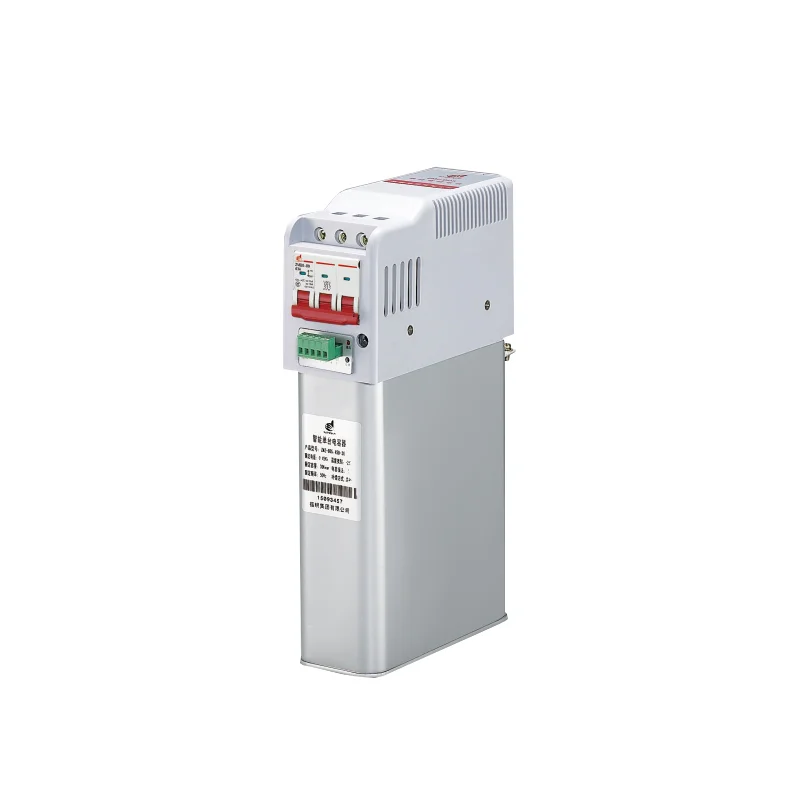
Table of Contents
Defining the Standard "Capacitor"
When most people say “capacitor,” they are usually talking about the small electronic components found on circuit boards. If you crack open a radio or look at a computer motherboard, you will see dozens of them. They look like tiny colorful lentils, small black cylinders, or little rectangular chips.
These standard capacitors are the worker ants of electronics. Their jobs are precise and delicate:
- Filtering: Smoothing out the ripples in a DC power supply.
- Timing: Controlling how fast an LED blinks.
- Signal Coupling: Allowing audio signals to pass while blocking DC voltage.
They deal in micro-amps and milli-volts. You can hold a handful of them without breaking a sweat.
The Heavy Lifting of a Shunt Power Capacitor
On the other side of the spectrum, we have the heavy lifters. A shunt power capacitor isn’t interested in delicate audio signals or timing circuits. It is built for brute force.
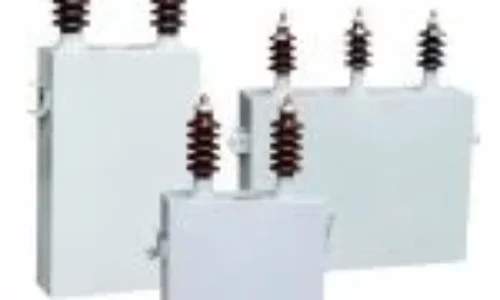
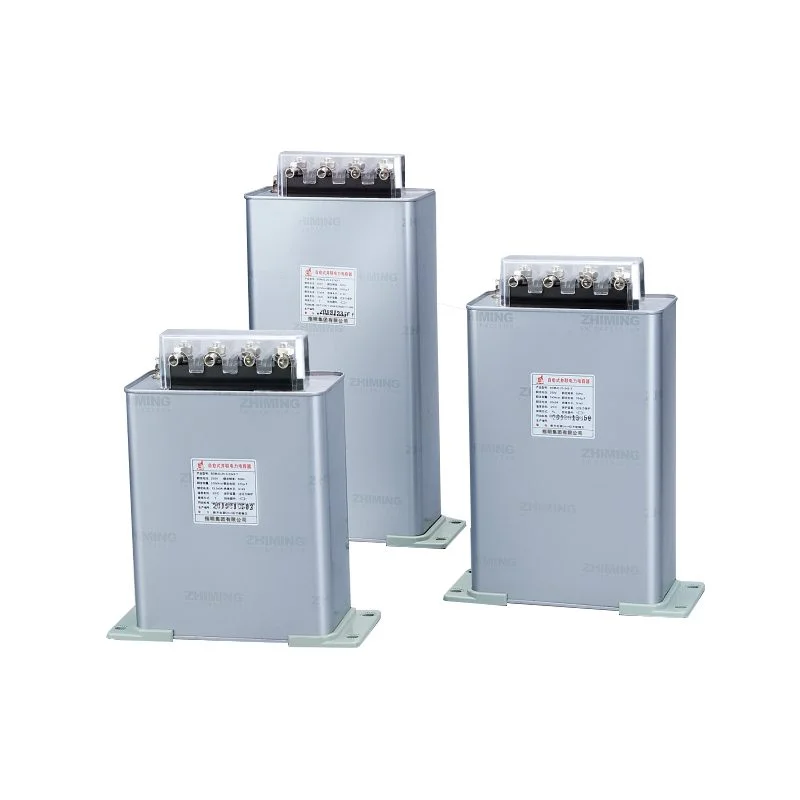
You typically find these in industrial environments, utility substations, or attached to large electric motors. Physically, they are imposing. They look like large metal cans, often the size of a paint bucket or a shoebox, and they are usually wired with heavy-gauge cable rather than thin leads.
The “shunt” part of the name is critical—it describes how it’s hooked up. In electrical terms, “shunt” means parallel. These capacitors are connected across the main power lines (Phase-to-Neutral or Phase-to-Phase). Their sole purpose is to support the voltage and provide reactive power to the grid. They don’t process information; they manage energy flow.
Key Structural and Functional Differences
If you put them side by side on a workbench, the differences become obvious pretty quickly. It isn’t just about size; it is about what is going on inside the case.
A standard electronic capacitor might use a thin layer of ceramic or tantalum as the insulator (dielectric). A shunt power capacitor, however, has to survive thousands of volts and massive current spikes. Inside those metal cans, you will often find rolls of polypropylene film immersed in a special oil or gel. This oil helps dissipate the heat generated by the massive currents flowing in and out.
Here is a quick look at how they stack up against each other:
| Feature | Standard Electronic Capacitor | Shunt Power Capacitor |
|---|---|---|
| Primary Job | Signal processing, filtering, timing | Power factor correction, voltage support |
| Voltage Rating | Low (6V – 50V typical) | High (230V – 1000V+ typical) |
| Connection Style | Soldered to PCB (Through-hole or Surface Mount) | Bolted terminals or heavy lugs |
| Unit of Measure | Microfarads (μF), Nanofarads (nF) | Kilovars (kVAR) |
| Failure Mode | Usually quiet (stops working) | Can be violent (bulging or rupture) |
Why the "Shunt" Connection Defines the Role
It is important to understand that “shunt” refers to the wiring method.
In transmission lines, you sometimes see series capacitors, which are wired in line with the wire to reduce impedance over long distances. But the shunt power capacitor is the most common type used for efficiency.
Think of a water pipe.
- A Series device would be a filter inside the pipe that water has to flow through.
- A Shunt device is like an expansion tank attached to the side of the pipe.
The shunt capacitor acts as a local reservoir. When a big motor on the grid gulps down energy, the capacitor provides a quick splash of power from the side, preventing the pressure (voltage) in the main pipe from dropping. This keeps the lights from flickering when the AC compressor kicks on.
Safety and Maintenance Perspectives
From an experiential standpoint, working with these two types requires a completely different mindset.
You can touch a standard capacitor on a circuit board (usually) without much risk, assuming the device is unplugged. The energy stored is tiny. But a shunt power capacitor is a different beast entirely. It stores enough energy to be lethal, even after the power has been turned off for several minutes.
That is why you will see safety labels plastered all over power capacitor banks. They almost always include internal discharge resistors that slowly bleed off the stored charge when the unit is disconnected. If you are ever walking through a plant and see a capacitor unit with a bulging top, give it a wide berth. That is a sign of internal pressure buildup, and unlike a small capacitor that might just make a “pop,” these can fail with significant force.
Resource Section
For more technical details on the physics and applications of these components, reliable information can be found here:
- Capacitor Types and Applications – Wikipedia: A breakdown of the different families of capacitors, from small ceramics to power film types.
- Power Factor Correction: Understanding the main reason why we use shunt capacitors.
FAQ
Can I use a regular capacitor as a shunt power capacitor?
Absolutely not. A standard capacitor cannot handle the high voltages, massive currents, or the heat generation of a power grid application. It would likely explode instantly if connected to mains power in a shunt configuration.
Why do they measure Shunt Power Capacitors in kVAR?
While they still have a capacitance value in microfarads, engineers care more about how much “Reactive Power” they can provide to the grid. kVAR (Kilovolt-Ampere Reactive) is the unit of that power. It tells the engineer exactly how much “correction” the unit provides to the system efficiency.
Do all power capacitors look the same?
No. While the shunt power capacitor is the most common for power factor correction (looking like a metal box or can), there are other types like high-frequency coupling capacitors used in communications over power lines, which look like tall ceramic stacks.