In industrial power systems, power capacitors play an essential role in improving power factor, stabilizing voltage, and enhancing overall energy efficiency. However, one question often arises during installation and maintenance—does it really matter how a power capacitor is plugged in?
For electrical engineers, purchasing managers, and system integrators in the B2B sector, understanding this question is more than a matter of technical curiosity. Proper installation directly impacts the reliability, performance, and longevity of a power capacitor, as well as the stability of the entire reactive power compensation system.
Table of Contents
Understanding the Role of a Power Capacitor
A power capacitor stores and releases electrical energy to balance reactive power in AC systems. In commercial and industrial power networks, it helps maintain optimal voltage levels and reduce load on transformers and cables. When applied correctly, capacitors contribute to reduced energy losses, improved power quality, and lower operational costs.
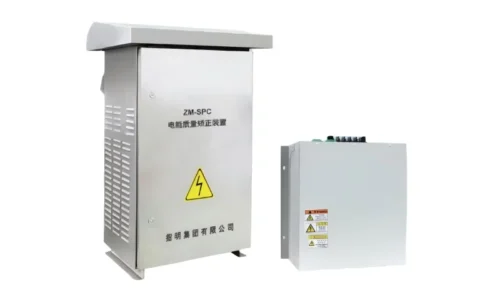
For this reason, power capacitors are widely used in manufacturing plants, substations, and smart grid systems. They are key components in power factor correction banks, reactive power compensation units, and intelligent capacitor modules—all of which support energy-efficient operations for enterprises managing large-scale electrical systems.
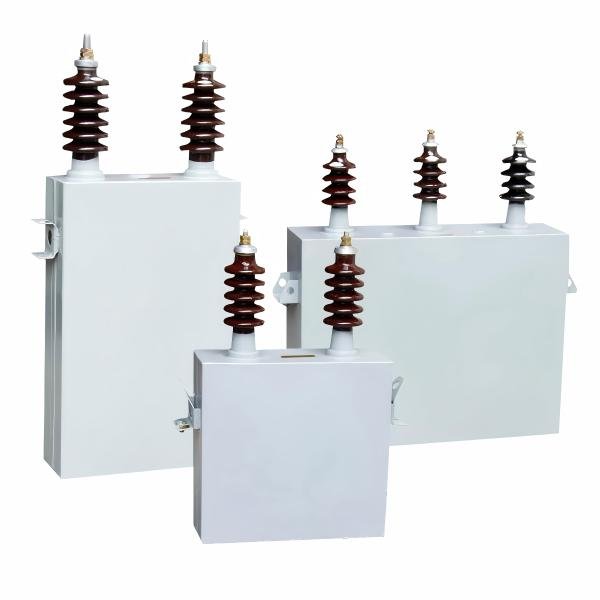
This importance becomes even more apparent in large-scale industrial grids, where voltage stability is critical. In such applications, a High Voltage Power Capacitor plays a vital role in maintaining consistent energy flow and supporting reliable reactive power control across extended distribution networks.
Why Installation Orientation and Connection Matter
The way a power capacitor is connected—mechanically and electrically—significantly affects its function. Power capacitors are designed to work in precise configurations within a circuit. Incorrect connections can lead to unbalanced current distribution, overheating, or even premature capacitor failure.
1. Polarity and Connection Type
Most AC power capacitors are non-polarized, meaning they can be connected in either direction. However, the orientation still matters in the broader context of the power system. In multi-phase setups, each capacitor must be connected to the correct phase line to ensure symmetrical load distribution. An incorrect phase connection can reduce the effectiveness of reactive power compensation and create imbalance issues in the system.
In contrast, DC capacitors are polarized. Reversing their connection can cause internal dielectric breakdown or irreversible damage. Therefore, installation teams should always verify the capacitor type and ensure the proper connection before energizing the circuit.
2. Grounding and Safety Considerations
Proper grounding is a key part of capacitor installation. A power capacitor must be securely grounded to prevent potential differences that may lead to electrical discharge or damage. Grounding also helps protect maintenance personnel and equipment from electrical faults.
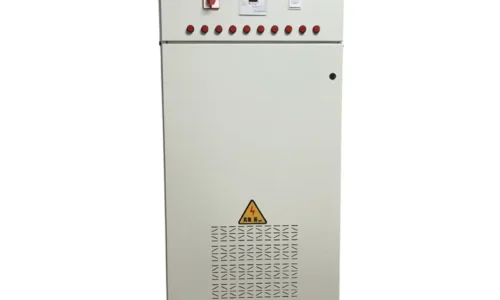
In reactive power compensation cabinets, grounding and connection methods are carefully standardized to ensure that all components—capacitors, switches, and controllers—work harmoniously. Neglecting this detail during installation may compromise the overall system protection and lead to unnecessary downtime.
3. Mechanical Orientation and Mounting
Besides electrical connection, mechanical mounting orientation can influence the performance of a power capacitor, especially for oil-filled or gas-insulated types. These capacitors are designed to operate in specific positions to ensure proper internal pressure distribution and heat dissipation.
When installed incorrectly, the dielectric fluid or gas inside may not circulate evenly, leading to uneven cooling and potential hot spots. Over time, this can shorten the service life of the capacitor and reduce the efficiency of the entire compensation bank.
Impact of Incorrect Installation on System Performance
In a power network, multiple capacitors often operate in groups. Improperly installed capacitors can affect not only themselves but also the performance of neighboring units.
1. Power Factor Deterioration
A misconnected capacitor bank will fail to provide adequate reactive power compensation. This results in a lower power factor, increased current draw, and potential penalties from utility companies for inefficient power usage.
2. Equipment Stress and Voltage Fluctuations
Incorrect capacitor installation can lead to harmonic resonance, voltage imbalance, or transient overvoltages. These disturbances increase stress on transformers, cables, and switchgear—potentially leading to unplanned maintenance or early equipment replacement.
3. Reduced Reliability and Higher Maintenance Costs
When a power capacitor is plugged in incorrectly, the risk of dielectric breakdown and internal failure rises. Frequent replacements and system interruptions increase maintenance expenses and reduce the overall reliability of industrial operations. For B2B users, where continuity and stability are essential, these costs can be significant.
Best Practices for Power Capacitor Installation
Ensuring correct capacitor installation requires both technical precision and adherence to best practices. The following guidelines are essential in industrial environments:
- Verify the capacitor type (AC or DC) before connection.
- Confirm phase alignment and ensure balanced connections across all phases.
- Apply proper grounding techniques to enhance system protection.
- Maintain recommended mounting orientation for cooling and pressure stability.
- Follow the manufacturer’s installation guide and standard electrical codes.
- Conduct post-installation testing to ensure reactive power and voltage stability.
By following these procedures, enterprises can extend capacitor lifespan, reduce downtime, and maintain a stable and efficient power factor correction system.
Integrating Power Capacitors into Modern Power Systems
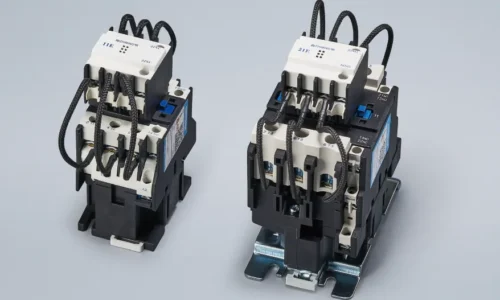
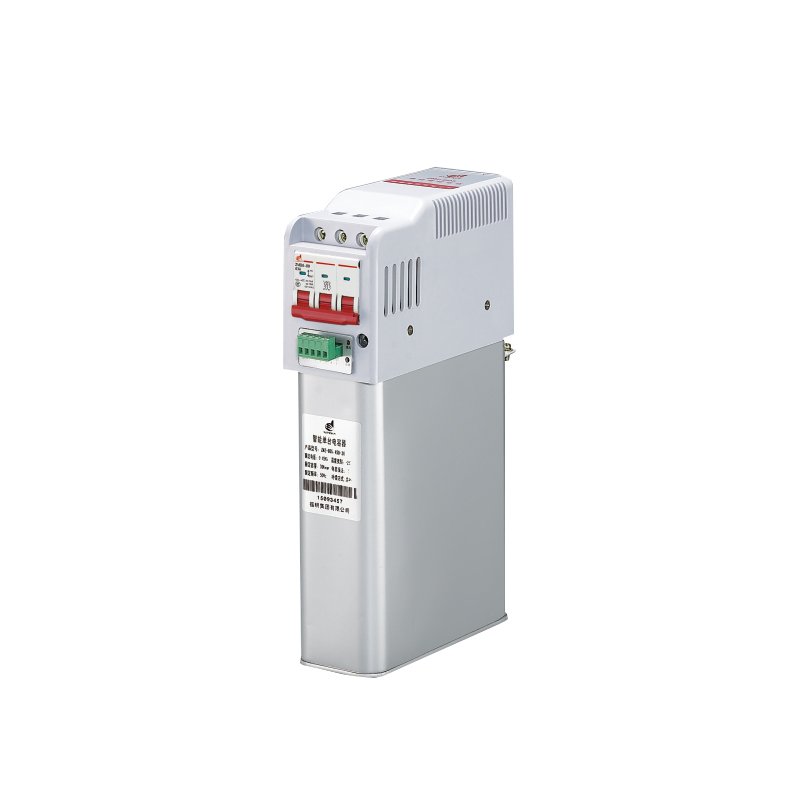
Modern industrial power systems increasingly rely on intelligent power capacitors and automatic power factor correction devices. These advanced systems combine capacitors, controllers, and switching devices to provide real-time compensation for changing loads.
In such smart systems, the accuracy of capacitor wiring becomes even more critical. Proper integration ensures that each module communicates effectively with the controller, allowing seamless switching and optimized energy management.
Manufacturers and engineering partners that specialize in reactive power compensation solutions play a key role in designing and configuring these systems for industrial clients. Their expertise helps ensure that installation, commissioning, and long-term operation all align with international standards for performance and safety.
Conclusion
Yes, it absolutely matters how a power capacitor is plugged in. Correct connection and orientation determine not only the performance of the capacitor itself but also the efficiency and stability of the entire electrical system.
For businesses managing complex power networks, proper installation is not just a technical requirement—it is a foundation for operational reliability and energy efficiency. Partnering with an experienced power capacitor manufacturer ensures that each component in the system functions as intended, supporting continuous, safe, and optimized industrial performance.