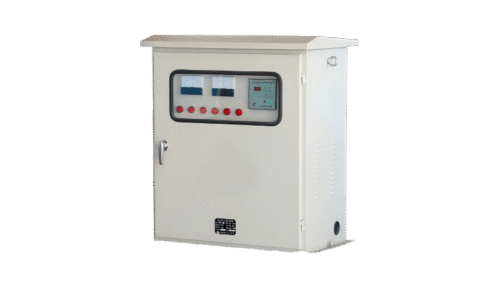
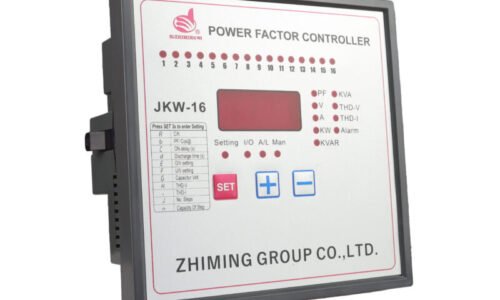
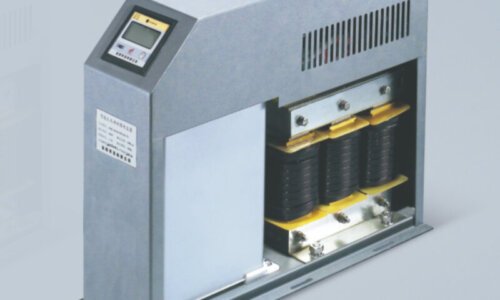
Walk into any industrial electrical room, and there is usually a steady, boring drone that signifies everything is working just fine. Tucked away in metal cabinets, power capacitors are doing the heavy lifting for power factor correction, silently saving money on energy bills. But like anything else that holds a charge, they don’t last forever. The tricky part is figuring out exactly when they are going to quit.
Generally speaking, the industry standard suggests a power capacitor should stick around for about 10 to 15 years. In terms of operating hours, that usually translates to roughly 100,000 to 150,000 hours under normal conditions. Real-world conditions are rarely perfect. Things get hot, dust accumulates, and voltage spikes happen. So while the manual might say one thing, experience often shows a different timeline.
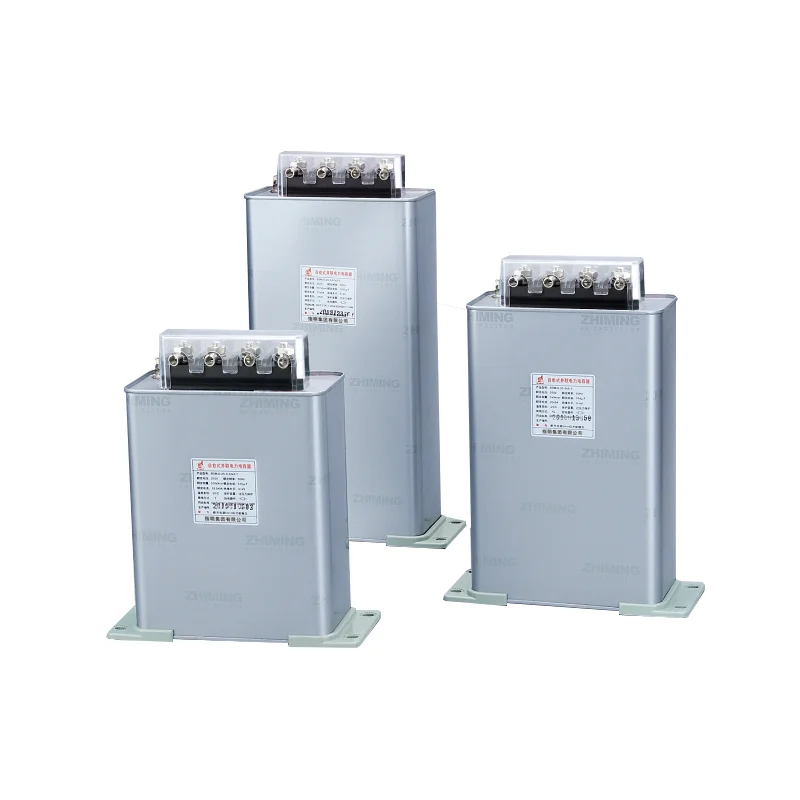
Table of Contents
The Reality of Shelf Life vs. Service Life
There is a distinction that often gets missed. A capacitor sitting on a shelf has a life, and a capacitor under load has a different one. Even sitting in storage, these units can degrade over time if the seals aren’t perfect or if the dielectric fluid settles weirdly.
But once hooked up to the grid, the clock starts ticking faster. It is observed that a power capacitor installed in a cool, well-ventilated basement lasts years longer than the exact same model installed in a hot, cramping rooftop enclosure. It’s not just about time; it’s about stress.
The Main Culprits: What Kills a Capacitor?
Why do these components fail prematurely? It usually boils down to environmental stress. It feels a bit like how a car engine wears down faster if you constantly redline it.
Heat is the Absolute Worst Enemy
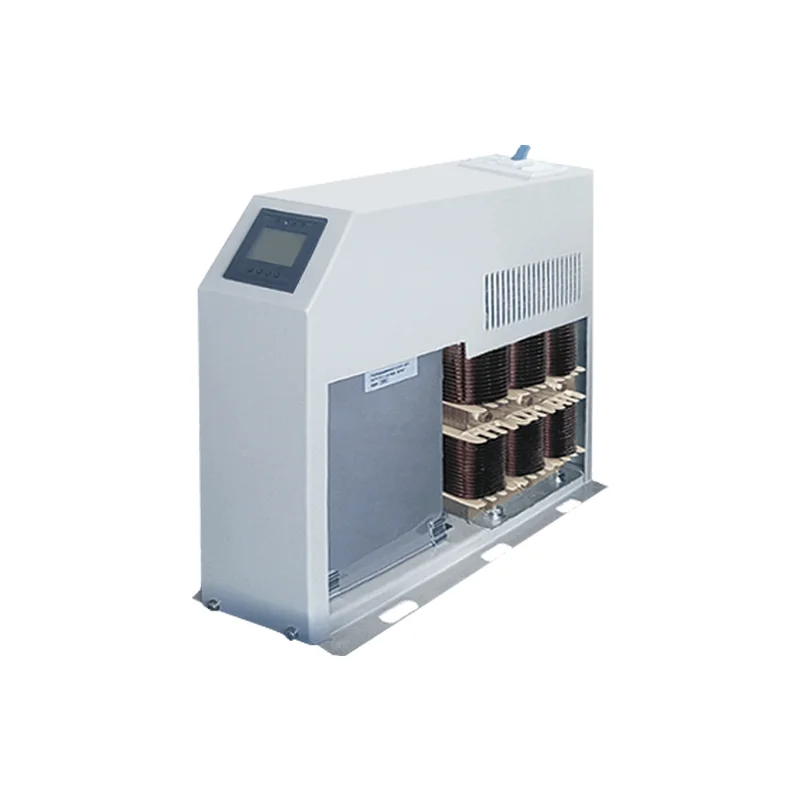
If there is one thing that destroys a capacitor faster than anything else, it’s heat. There is actually a well-known rule in electronics based on the Arrhenius equation—it suggests that for every 10°C increase in operating temperature, the life of the capacitor is cut in half.
Think about that for a second. If a unit is rated for 40°C but is running at 50°C because the ventilation fan in the cabinet broke and nobody noticed, its 10-year life expectation just became 5 years. Maintenance teams often find that the capacitors near the top of a cabinet fail first, simply because heat rises.
Voltage and Current Stress
Voltage spikes are another issue. A power capacitor is designed to handle its rated voltage, plus a little margin for safety. But grid fluctuations happen. If the voltage consistently runs 10% higher than what the unit is rated for, the internal dielectric insulation starts to break down. It’s a slow death usually.
Harmonics are the other invisible threat. In modern facilities full of variable frequency drives (VFDs) and LED lighting, “dirty power” or harmonic distortion can cause excessive current to flow through the capacitor. This causes internal heating and eventually, the pressure builds up until the safety valve pops or the casing bulges.
Signs That the End is Near
Usually, the signs are physical and silent. One of the most obvious giveaways is physical distortion. For example,seeing a Low-Voltage Shunt Capacitor that looks like a swollen battery is a clear “stop using immediately” sign. This happens because gases build up inside the casing as the dielectric breaks down. Modern capacitors usually have a pressure-sensitive disconnector (an overpressure tear-off fuse) that disconnects the unit before it explodes, which is a great safety feature, but it means the unit is dead.
Another sign is simpler: the electricity bill goes up. If the facility’s power factor starts dropping—say, it used to be 0.95 and now it’s hovering around 0.85—it’s a strong indicator that some capacitors in the bank have already failed or lost capacitance. They are just sitting there, doing nothing, while the system draws more reactive power.
Maintenance: Is it Worth the Effort?
Since capacitors don’t have moving parts, they are easy to ignore. However, a simple visual inspection and a capacitance check can prevent a catastrophic failure.Here is a rough guide on what usually needs looking at:
| Component to Check | What to Look For | Estimated Frequency |
|---|---|---|
| Casing/Body | Bulging, oil leaks, or rust spots | Every 6 Months |
| Connections | Loose terminals, signs of overheating (discoloration) | Every 12 Months |
| Ventilation | Clogged filters, broken fans in the cabinet | Every 3-6 Months |
| Capacitance | Deviation from rated µF (Microfarads) | Annually |
If the capacitance value has dropped by more than 10-15% of its original rating, it’s typically time to swap it out. Trying to run it longer is usually asking for trouble.
Can You Extend the Life?
Ideally, yes. Keeping power capacitor cool is the number one strategy. Ensuring the cabinet filters are clean so air can flow makes a huge difference. It’s a low-tech solution for a high-tech problem. Also, ensuring the voltage rating of the selected power capacitor is appropriate for the system helps.
It is a trade-off, really. You might decide to install a High Voltage Power Reactorupstream to dampen the inrush currents and filter out damaging harmonics. Sure, it adds to the initial setup cost compared to a standard install, but when you consider that it stops the capacitors from overheating and failing prematurely, you end up replacing the units far less often. It protects the investment, plain and simple.
Conclusion
So, how long does a power capacitor last? If you ask a good Power Capacitor Manufacturer,they usually provide professional answers and advice: it is usually the heat, the voltage spikes, and the harmonics wearing them down.
Keeping an eye on the power factor levels and doing a quick visual sweep of the capacitor bank every few months can save a lot of headaches. When they do start to bulge or leak, there is no fixing them—replacement is the only safe route. It is just one of those maintenance costs that is better to plan for than to be surprised by.