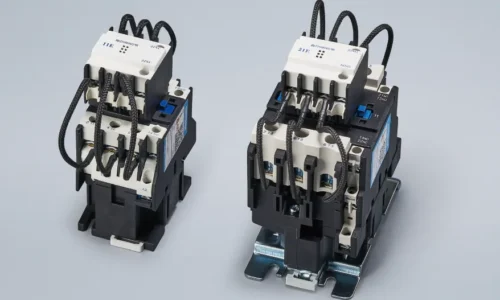
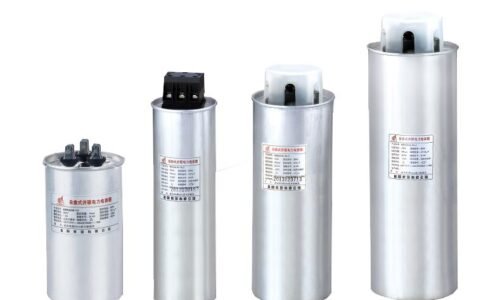
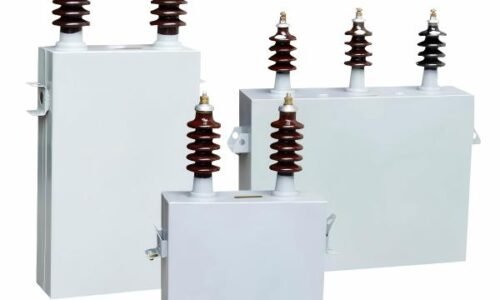
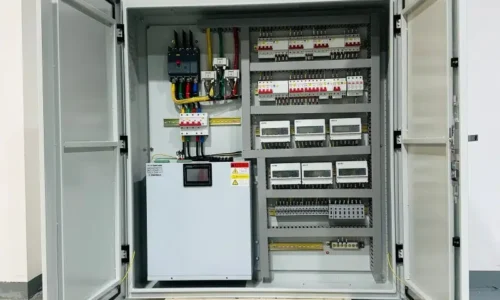
Yes, a power capacitor does improve power factor—quite effectively, actually. This isn’t marketing speak or theoretical possibility. It’s established electrical engineering practice that’s been proven across industrial and commercial facilities for decades. But understanding why this works and what to realistically expect helps set appropriate expectations before investing in correction equipment.
Power factor issues affect more facilities than most people realize. The problem stays invisible until utility bills arrive with penalty charges or demand costs seem higher than expected. Motors keep running. Lights stay on. Everything appears fine on the surface. Yet underneath, the electrical system works harder than necessary, drawing excess current that generates heat and wastes capacity.
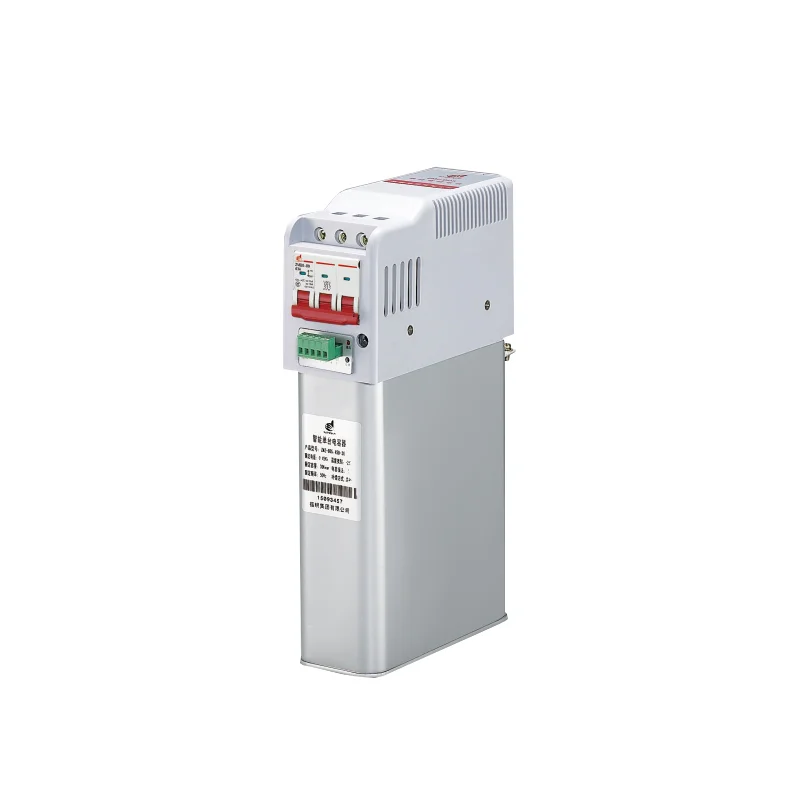
Table of Contents
How a Power Capacitor Actually Improves Power Factor
The Basic Electrical Principle
Power factor measures how efficiently electrical power gets used. A power factor of 1.0 (or unity) means perfect efficiency—all current drawn performs useful work. Lower power factors indicate wasted current that flows through the system without contributing to actual work output.
Most industrial loads are inductive. Motors, transformers, fluorescent ballasts, and similar equipment cause current to lag behind voltage. This phase difference creates reactive power—electricity that sloshes back and forth in the system without doing anything productive. The utility still supplies this current, and the facility’s wiring still carries it, even though it accomplishes nothing.
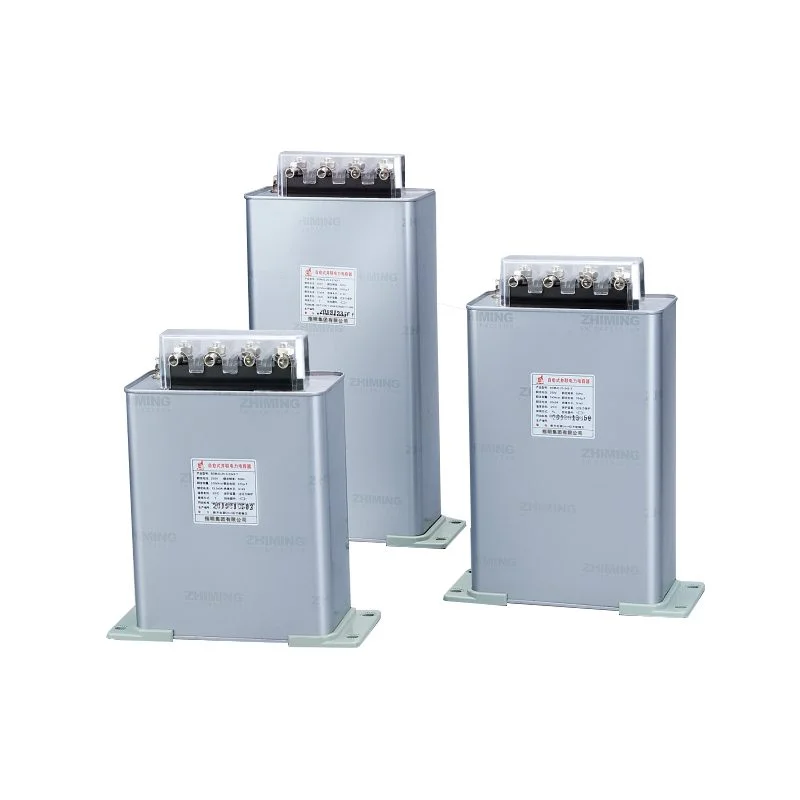
A power capacitor introduces capacitive reactance, which has the opposite effect of inductive reactance. Current through a capacitor leads voltage rather than lagging it. When properly sized capacitors connect to a system with inductive loads, the leading and lagging reactive currents partially cancel each other out.
The result? Net reactive power decreases. Power factor improves. Current draw drops. It’s genuinely that straightforward from a physics standpoint.
What Improvement Looks Like in Practice
The degree of improvement depends on starting conditions and capacitor sizing. Consider a typical scenario:
- Starting power factor: 0.75
- After power capacitor installation: 0.95
- Current reduction: approximately 21%
That current reduction ripples through the entire electrical system. Transformers run cooler. Cable losses decrease. Voltage drop diminishes. The facility effectively gains capacity without upgrading any infrastructure.
Measuring Power Capacitor Effectiveness
| Original Power Factor | Target Power Factor | kVAR Needed per 100 kW | Current Reduction |
|---|---|---|---|
| 0.65 | 0.95 | 84 kVAR | 32% |
| 0.70 | 0.95 | 69 kVAR | 26% |
| 0.75 | 0.95 | 55 kVAR | 21% |
| 0.80 | 0.95 | 42 kVAR | 16% |
| 0.85 | 0.95 | 29 kVAR | 11% |
The numbers tell a clear story. Worse starting power factors benefit more dramatically from correction. Facilities already operating at 0.90 or better see modest improvement, while those at 0.70 or below experience substantial gains.
Tangible Benefits When Power Capacitor Systems Work
Financial Savings
Money talks, and power factor correction delivers measurable financial benefits:
- Reduced demand charges from lower kVA readings
- Elimination of power factor penalty fees
- Lower energy costs from decreased system losses
- Avoided infrastructure upgrade expenses
- Potential utility incentive payments for correction
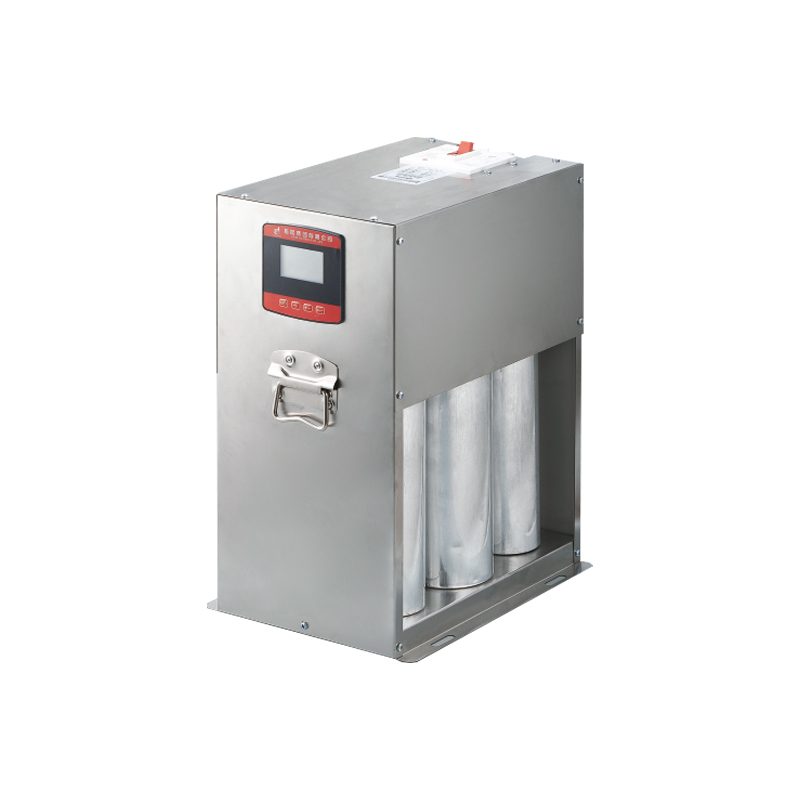
The exact savings depend heavily on local utility rate structures. Some utilities charge aggressively for poor power factor while others barely penalize it. Checking with the local utility or reviewing recent bills reveals how significant penalties currently are. For many small to medium facilities, installing a low voltage power capacitor represents the most cost-effective starting point—delivering noticeable savings without the complexity and expense associated with medium voltage equipment.
Operational Improvements
Beyond direct cost savings, improved power factor delivers operational benefits that matter:
- Transformers and cables run cooler, extending equipment life
- Voltage stability improves throughout the facility
- System capacity increases without new infrastructure
- Motors operate more efficiently with better voltage
- Future expansion becomes possible within existing electrical limits
These benefits are harder to quantify but genuinely real. A facility that’s been bumping against transformer capacity limits might suddenly have room for additional equipment simply by installing appropriate power capacitor units.
Factors That Affect Power Capacitor Performance
Not every installation delivers identical results. Several factors influence how much improvement actually occurs:
- Load characteristics – Highly inductive loads benefit most; resistive loads don’t need correction
- Capacitor sizing – Undersized installations provide partial correction; oversized ones create new problems
- Installation location – Capacitors at individual loads correct most effectively; centralized installation corrects less efficiently
- Load variability – Fixed capacitors work well for steady loads; variable loads need automatic switching
- Harmonic environment – Systems with significant harmonics may experience resonance issues
Getting these factors right determines whether a power capacitor installation delivers full expected benefits or disappoints.
Common Concerns About Power Capacitor Installations
Can You Overcorrect?
Yes, and this matters. Oversized capacitors push power factor above unity into leading territory. Leading power factor can cause overvoltage conditions, potentially damaging equipment. Some utilities penalize leading power factor just as they penalize lagging. Proper sizing avoids this problem entirely.
What About Harmonics?
This concern has grown more relevant as facilities add variable frequency drives, LED lighting, and electronic equipment. These nonlinear loads create harmonic currents that can interact badly with capacitors. In severe cases, resonance amplifies harmonics rather than correcting power factor.
The solution exists—detuned reactors installed with capacitors shift resonant frequencies away from common harmonics. Not every installation needs them, but facilities with substantial harmonic content should evaluate this carefully.
Realistic Expectations
A power capacitor genuinely improves power factor when properly selected and installed. The technology is proven, the physics are sound, and countless successful installations demonstrate effectiveness. However, results depend on:
- Accurate assessment of existing conditions
- Appropriate capacitor sizing
- Correct installation practices
- Ongoing monitoring and maintenance
Expecting automatic, trouble-free improvement without proper engineering attention leads to disappointment. Approaching correction as a legitimate engineering project—with measurement, calculation, and professional installation—delivers the results the technology is capable of providing.
FAQ
How much does power factor typically improve with capacitor installation?
Most installations target power factor improvement from whatever the starting point is to 0.95 or higher. A facility starting at 0.70 power factor can realistically achieve 0.95 with properly sized power capacitor equipment. The improvement is predictable and calculable—it’s not guesswork. Starting conditions, target power factor, and load characteristics determine exactly how much capacitance is needed for any desired improvement level.
How long does it take to see results after installing power capacitors?
Results are essentially immediate from an electrical standpoint. Power factor improves the moment properly sized capacitors connect to the system. Financial benefits appear on the next utility bill, assuming the billing cycle captures the change. Some facilities verify improvement within hours using power quality meters. There’s no break-in period or delayed effect—the physics work instantly.
Do power capacitors lose effectiveness over time?
Capacitors do degrade gradually. Internal components age, and capacitance decreases slowly over years of service. Quality capacitors from reputable manufacturers typically maintain rated performance for 10-15 years under normal conditions. High temperatures, voltage transients, and harmonic stress accelerate degradation. Periodic testing verifies continued effectiveness, and replacement eventually becomes necessary—but not for many years in most installations.