When facilities invest in capacitor bank systems, one practical question comes up repeatedly — how long will this equipment actually last? The answer, like many things in electrical engineering, depends on numerous factors that vary from one installation to another.
A capacitor bank represents a significant capital investment. Understanding expected lifespan helps with budgeting, maintenance planning, and replacement scheduling. It also helps facilities evaluate whether current operating conditions might be shortening equipment life unnecessarily.
The good news is that properly designed and maintained capacitor bank installations can provide many years of reliable service. The bad news — or at least the complication — is that actual lifespan varies widely based on operating conditions and maintenance practices.
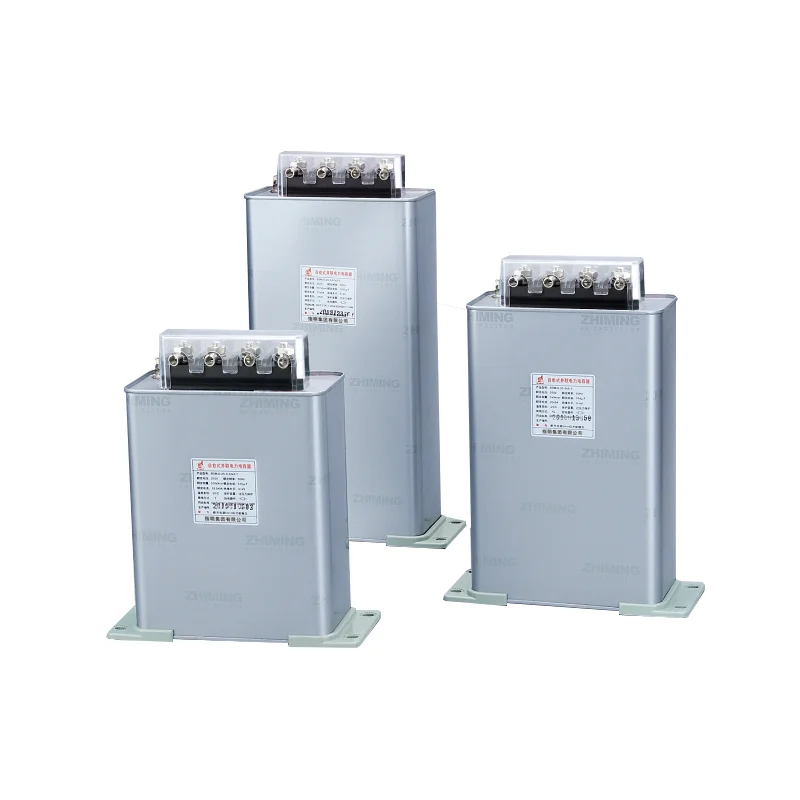
Table of Contents
Typical Capacitor Bank Lifespan Expectations
General Service Life Ranges
Most manufacturers design capacitor bank systems for service lives between 15 and 20 years under normal operating conditions. This expectation assumes operation within rated voltage and temperature limits, reasonable harmonic exposure, and adequate maintenance.
Real-world experience shows considerable variation around these figures:
- Well-maintained installations in favorable conditions often exceed 20 years
- Typical industrial installations average 15-18 years
- Harsh environments or inadequate maintenance might limit life to 10-12 years
- Severe operating conditions can cause failure within just a few years
The spread is significant. Identical capacitor bank equipment installed at two different facilities might last 8 years at one location and 25 years at another. The difference comes down to operating environment and care.
Component-Specific Lifespans
A complete capacitor bank system includes multiple components with different longevity characteristics. The capacitor units themselves often outlast associated switching and control equipment.
Component | Typical Lifespan | Limiting Factor |
Capacitor units | 15-20 years | Dielectric degradation |
Contactors | 100,000-500,000 operations | Contact wear |
Fuses | Until operation | Single-use protection |
Control relays | 10-15 years | Electronic aging |
Controllers | 10-15 years | Electronic obsolescence |
Enclosures | 25+ years | Corrosion, physical damage |
Factors Affecting Capacitor Bank Lifespan
Operating Temperature Impact
Temperature affects capacitor bank lifespan more than almost any other factor. Capacitors contain dielectric materials that degrade faster at elevated temperatures. The relationship follows roughly exponential patterns — small temperature increases cause disproportionate life reductions.
General guidelines suggest:
- Every 10°C above rated temperature halves expected life
- Operating below rated temperature extends life proportionally
- Ambient conditions plus internal heating determine actual temperature
- Ventilation and cooling significantly impact longevity
A capacitor bank rated for 40°C ambient but installed in a 50°C environment might last only half as long as expected. Facilities in hot climates or with poor ventilation around electrical equipment face inherent lifespan challenges.
Voltage Stress Effects
Operating voltage relative to rated voltage influences capacitor bank durability. Capacitors operating consistently at or above rated voltage degrade faster than those operating with margin.
System voltage often exceeds nominal values — utility voltage might run 5% high, or facility voltage rise might occur during light loading. These conditions stress capacitor bank dielectrics and accelerate aging.
Conversely, capacitor bank installations with voltage ratings exceeding actual system voltage enjoy longer service life. The extra margin costs more initially but pays back through extended longevity.
Harmonic Environment Considerations
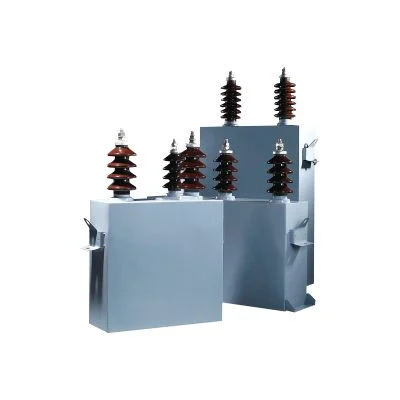
Power system harmonics create additional stress on capacitor bank installations. Harmonic currents flowing through capacitors cause extra heating beyond fundamental frequency loading. This thermal stress accelerates degradation.
Worse, harmonic resonance between capacitor banks and system inductance can amplify certain harmonic frequencies dramatically. The resulting overcurrent damages capacitors quickly — sometimes causing failure within months of installation.
Signs of harmonic-related stress include:
- Capacitor bank overheating beyond normal levels
- Audible buzzing or humming sounds
- Frequent fuse operations
- Premature capacitor unit failures
- Measured capacitance declining faster than expected
Facilities with significant harmonic sources — variable frequency drives, rectifiers, electronic loads — need harmonic analysis before capacitor bank installation. Detuning reactors or harmonic filters protect capacitor bank systems from resonance damage.
Maximizing Capacitor Bank Lifespan Through Maintenance
Inspection and Testing Practices
Regular maintenance extends capacitor bank service life and catches developing problems before they cause failures. Recommended practices include:
- Annual visual inspection for physical damage and contamination
- Thermal imaging to identify overheating units
- Capacitance measurement to track degradation
- Connection tightness verification
- Switching device operation testing
- Control system function checks
Capacitance measurement provides particularly useful information. Capacitors lose capacitance gradually as dielectrics degrade. Tracking this decline over time shows aging rate and helps predict when replacement becomes necessary. If you want to know more about capacitor bank, please read What is a capacitor bank.
FAQ
How do you know when a capacitor bank needs replacement?
Several indicators suggest capacitor bank replacement is approaching. Measured capacitance declining below 90% of nameplate rating typically warrants replacement. Visible signs like swelling cases, leaking dielectric fluid, or discoloration indicate internal degradation. Frequent fuse operations suggest units are failing. Thermal imaging revealing abnormally hot units identifies problems before catastrophic failure.
Can individual capacitor units be replaced within a bank?
Yes, most capacitor bank designs allow individual unit replacement without replacing the entire assembly. This approach makes economic sense when only a few units have failed or degraded while others remain serviceable. Replacement units should match original specifications — voltage rating, capacitance value, dimensions, and connection configuration. Mixing units of significantly different ages can create imbalanced loading where newer units carry more than their share of current. Some facilities replace all units in a phase group when one fails to maintain balance.
Does switching frequency affect capacitor bank lifespan?
Switching frequency primarily affects the lifespan of switching devices rather than capacitor units themselves. Contactors have finite operational lives — typically rated for several hundred thousand operations. Frequent switching depletes this life faster. A capacitor bank switching dozens of times daily might wear out contactors in five to seven years, while one switching only a few times weekly might last decades on original contactors.