Most plant managers think of motors or drives when discussing efficiency. Few immediately consider capacitors. Yet the Low Voltage Power Capacitor quietly performs a function that directly affects how energy moves through a facility.
The device has no moving parts. But its effect on power flow is structural. When motors and transformers operate, they create reactive power that does no productive work but still consumes system capacity. A Low Voltage Power Capacitor counteracts this by providing local reactive power support.
Over time, facilities with properly sized capacitors notice something: equipment runs slightly cooler, voltage drops are less frequent, and utility bills show modest reductions. These improvements accumulate.
Table of Contents
Understanding Low Voltage Power Capacitor
A Low Voltage Power Capacitor stores electrical energy temporarily and releases it when needed. In AC systems, this helps offset the lagging current caused by inductive loads.
Consider a typical manufacturing line. Motors start and stop throughout the day. Without correction, the utility must supply shifted current that contributes nothing to production. A Low Voltage Power Capacitor for reactive power compensation provides the leading current needed to bring the system back into phase.
Engineers sometimes call this “flattening the curve.” The capacitor supplies magnetizing current locally, so upstream systems only deliver real power. The result is improved capacity utilization without changing production equipment.
Why Low Voltage Power Capacitor Matters in B2B Systems
In industrial settings, energy costs rank among the top operational expenses. The Low Voltage Power Capacitor addresses this from an angle other devices cannot reach.
Gradual Efficiency Improvement
Efficiency gains from power factor correction are rarely dramatic on any single day. But over a quarterly reporting period, the numbers tell a different story.
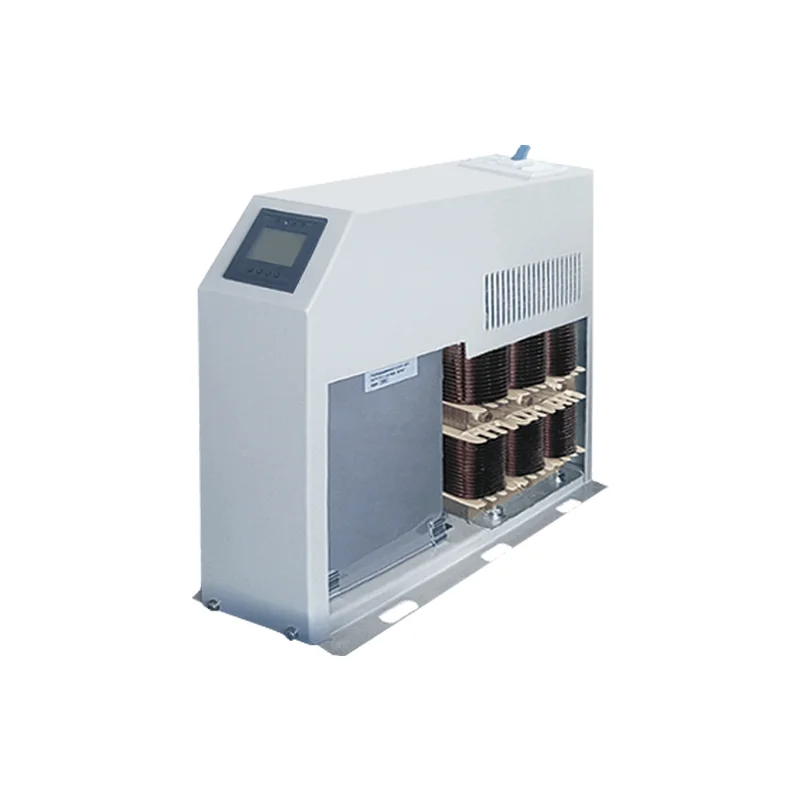
A Low Voltage Power Capacitor for power factor correction reduces total current flowing through distribution equipment. Lower current means lower losses in cables and transformers. It also means less voltage drop along feeders, helping motors maintain rated torque without drawing extra current.
In one food processing facility, installing a 300 kVAr capacitor bank reduced line current by 12% during peak hours. Payback was 14 months, after which savings continued year after year.
Stability in Daily Operations
Production managers notice when voltage sags cause PLCs to reset. These events interrupt production.
A Low Voltage Power Capacitor for industrial applications acts as a local energy reserve. When a large motor starts and momentarily pulls down voltage, the capacitor discharges to support the system. This damping effect prevents nuisance trips.
The improvement is especially noticeable in facilities with older transformers or long cable runs. Operators report fewer unexplained stoppages after installation.
Reducing Hidden Losses
Some losses never appear on any meter. Heat dissipation in cables and circulating currents all consume energy without producing work.
A high efficiency Low Voltage Power Capacitor reduces these parasitic losses by minimizing the reactive current that causes them. The effect is cumulative—cooler equipment lasts longer, connections remain tight.
Types of Low Voltage Power Capacitor
Different industrial installations require different capacitor designs.
Cylinder Design
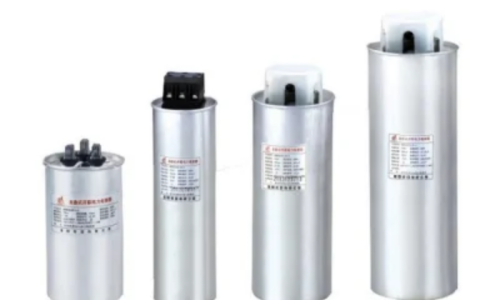
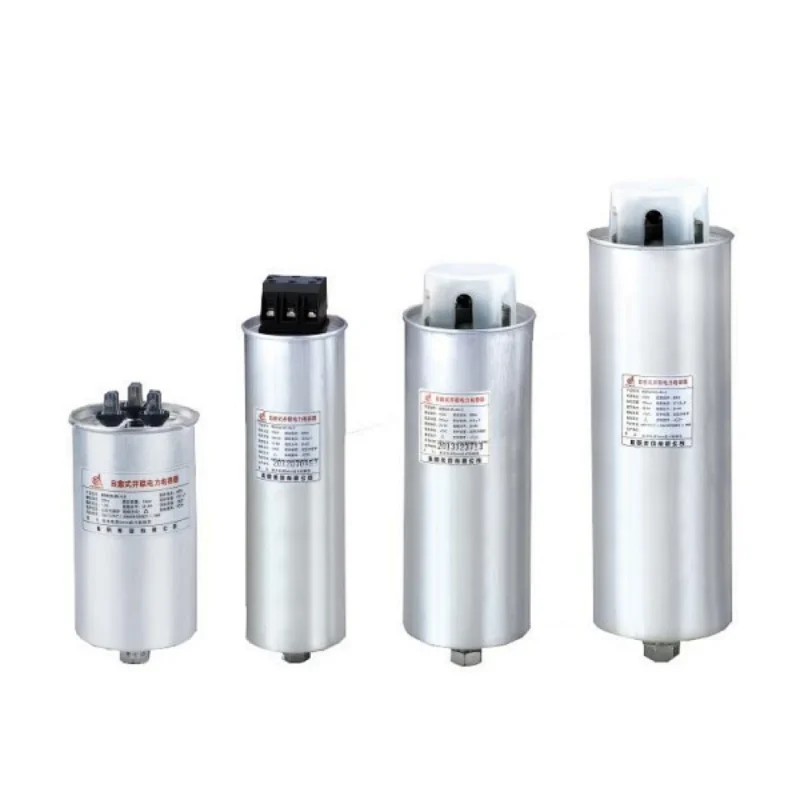
The Cylinder Power Capacitor fits where space is limited. Its tubular shape mounts easily on walls or inside existing panels.
Food plants often prefer this design because it leaves floor space clear for washdown. The sealed construction also resists moisture.
Intelligent Design
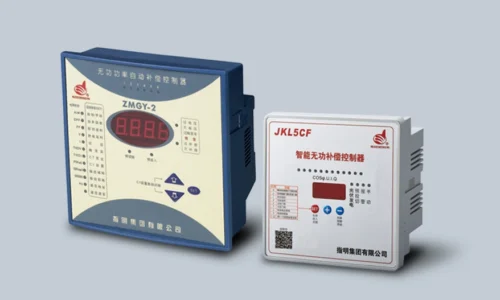
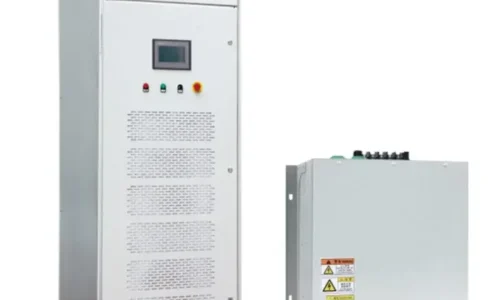
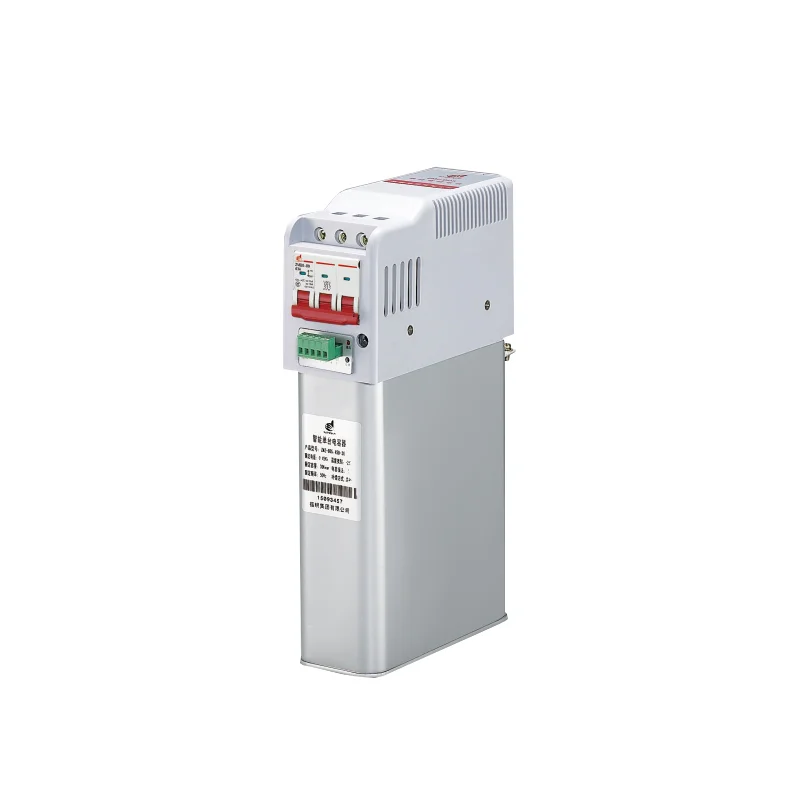
The Intelligent Power Capacitor embeds monitoring directly into the housing. These units communicate with building management systems, reporting capacitance loss and temperature.
When a capacitor nears end of life, the system flags it before failure. This type of Low Voltage Power Capacitor suits facilities where predictive maintenance is standard.
Square Design
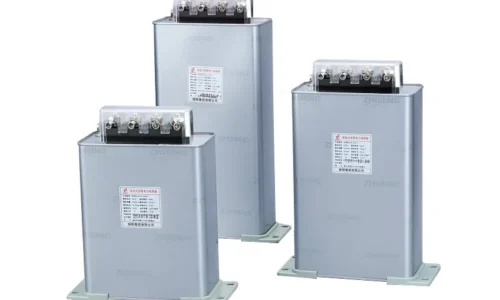
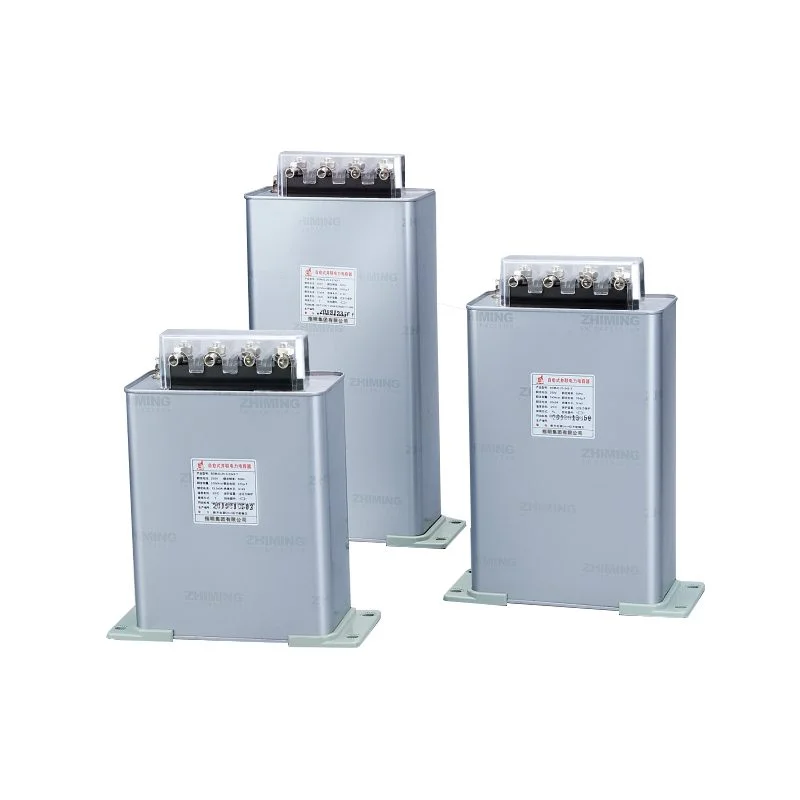
For conventional panel installations, the Square Power Capacitor remains most common. Its rectangular shape packs multiple elements into a compact footprint.
Large plants often standardize on this design because it simplifies inventory. Maintenance teams know what to expect when opening any panel.
Comparison Overview
| Type | Structure | Key Advantage | Typical Application |
|---|---|---|---|
| Cylinder Power Capacitor | Cylindrical | Space-efficient | Retrofit projects |
| Intelligent Power Capacitor | Modular with monitoring | Predictive data | Automated facilities |
| Square Power Capacitor | Box-shaped | Standardized integration | New installations |
Selection depends on installation constraints. Each Low Voltage Power Capacitor design addresses specific priorities.
Choosing the Right Low Voltage Power Capacitor
Specifying a capacitor involves more than matching kVAR ratings.
Voltage rating requires attention. A 480V system might see 505V during light load. Capacitors must withstand these conditions.
Harmonic content matters. Variable frequency drives create harmonics that capacitors can amplify. In such cases, detuning reactors accompany the Low Voltage Power Capacitor installation.
Temperature ratings also deserve scrutiny. Capacitors near heat sources need higher temperature tolerance.
Practical Considerations
Even well-designed installations need attention to details that affect long-term performance.
- Sizing errors produce insufficient correction or overvoltage.
- Ambient conditions influence capacitor life most. High heat accelerates aging.
- Connection integrity matters because loose terminations generate heat.
- Switching frequency affects contactor life in automatic banks.
Facilities that address these factors see capacitor banks operate reliably for 10 to 15 years.
Conclusion
The Low Voltage Power Capacitor occupies an unusual position—essential but rarely noticed. Its contribution comes not from converting energy differently, but from enabling existing equipment to use energy more effectively.
As electricity costs rise, power factor correction becomes more relevant. Capacitors already installed continue working year after year, returning their cost many times through reduced losses.
For plant managers, installing capacitor banks represents one of the few investments that pays returns without production interruptions. The Low Voltage Power Capacitor simply does its job, quietly, in the background of every industrial operation.
FAQ
Can Low Voltage Power Capacitor improve long-term energy efficiency?
Yes. By reducing reactive current, a Low Voltage Power Capacitorlowers distribution losses. These benefits compound over the equipment’s lifespan.
Is it compatible with existing infrastructure?
Most facilities can accommodate capacitor banks without major modifications. A site survey identifies optimal connection points.
What maintenance does it require?
Capacitors need periodic inspection rather than routine maintenance. Visual checks for swelling or leakage catch most issues before failure.