In industrial power systems, reactive power is rarely a theoretical issue. It shows up as unstable voltage, unexpected equipment trips, or penalties due to poor power factor. In some installations, these problems appear gradually, almost unnoticed at first, until they begin affecting production.
A common technical question is: can SVC absorb reactive power, or is it mainly used to supply reactive power?
In practice, this question usually comes from real scenarios—such as overvoltage during low load periods or excessive capacitive reactive power in long cable systems.
The short answer is yes. But in actual engineering applications, the way SVC handles reactive power control is slightly more complex, and not always perfectly symmetrical.
Table of Contents
Reactive Power Problems in Industrial Power Systems
Why Reactive Power Becomes an Issue
In industrial environments, reactive power is mainly driven by:
- Large induction motors
- Transformers under varying load
- Long transmission or distribution lines
These elements constantly shift the balance of reactive power, especially when load conditions change throughout the day.
Typical issues include:
- Voltage fluctuation during peak and off-peak hours
- Low power factor leading to financial penalties
- Increased system losses
Sometimes, the issue is not a lack of reactive power, but too much of it—particularly capacitive reactive power during light load conditions.
Real Operational Scenarios
In many plants, engineers observe situations like:
- Voltage rising at night when load drops
- Capacitor banks overcompensating
- Difficulty maintaining stable reactive power levels
These are practical indicators that reactive power compensation in industrial systems is not properly balanced.
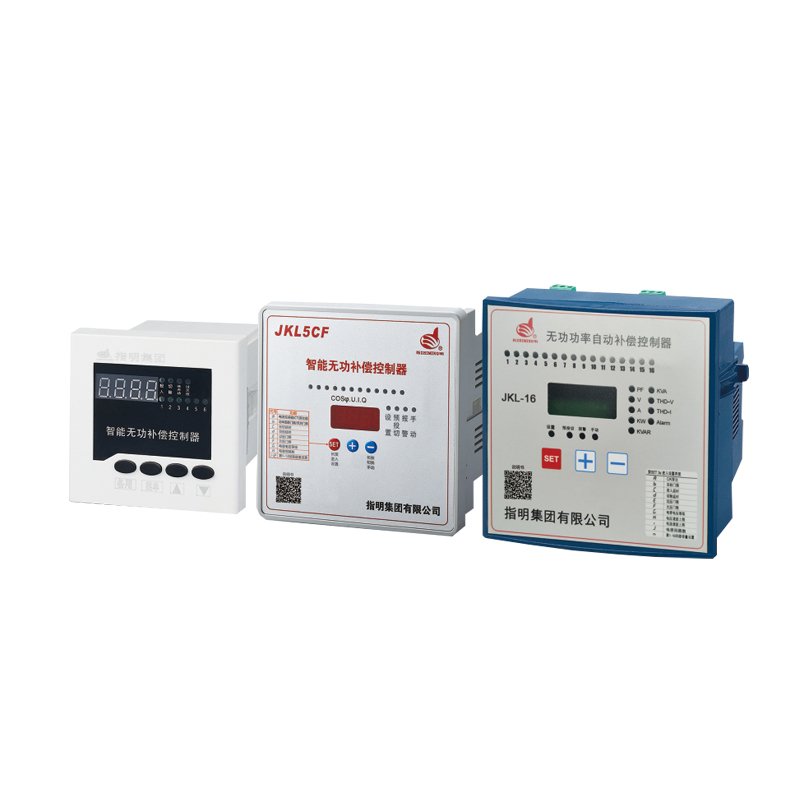
How SVC Manages Reactive Power Dynamically
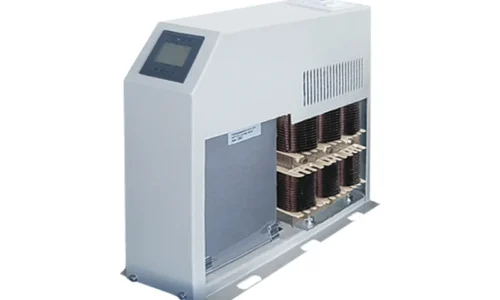
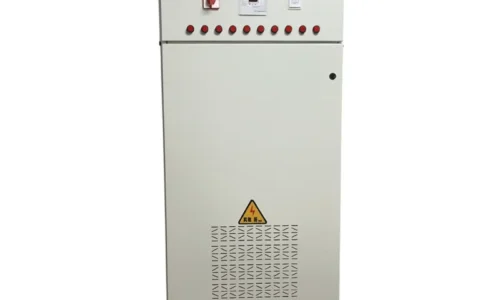
An SVC combines components that work together. It can both generate and absorb reactive power as needed.
SVC Working Principle in Practice
An SVC (Static Var Compensator) is widely used for reactive power control in power systems, especially where load conditions are not stable.
Instead of fixed compensation, SVC adjusts continuously using:
- Thyristor Controlled Reactors (TCR)
- Thyristor Switched Capacitors (TSC)
This allows the system to respond almost instantly to changes in reactive power demand.
Why SVC is Used in Industrial Reactive Power Control
Compared to traditional capacitor banks, SVC offers:
- Continuous reactive power adjustment
- Faster response to voltage fluctuations
- Better stability under variable loads
In real installations, this often translates to fewer voltage-related issues, although performance still depends on system tuning.
Can SVC Absorb Reactive Power in Real Applications?
Direct Answer from Engineering Perspective
Yes, SVC can absorb reactive power, and this is a key part of its function.
However, this capability becomes most visible under specific operating conditions.
When SVC Absorbs Reactive Power
SVC absorbs reactive power when the system has excess capacitive reactive power, such as:
- Light load conditions
- Overcompensation from capacitor banks
- Long-distance cable systems generating reactive power
In these cases, the SVC operates in inductive mode:
- Reactors are activated
- Reactive power flows into the SVC
- Voltage is reduced to stable levels
This process is essential for dynamic reactive power compensation using SVC.
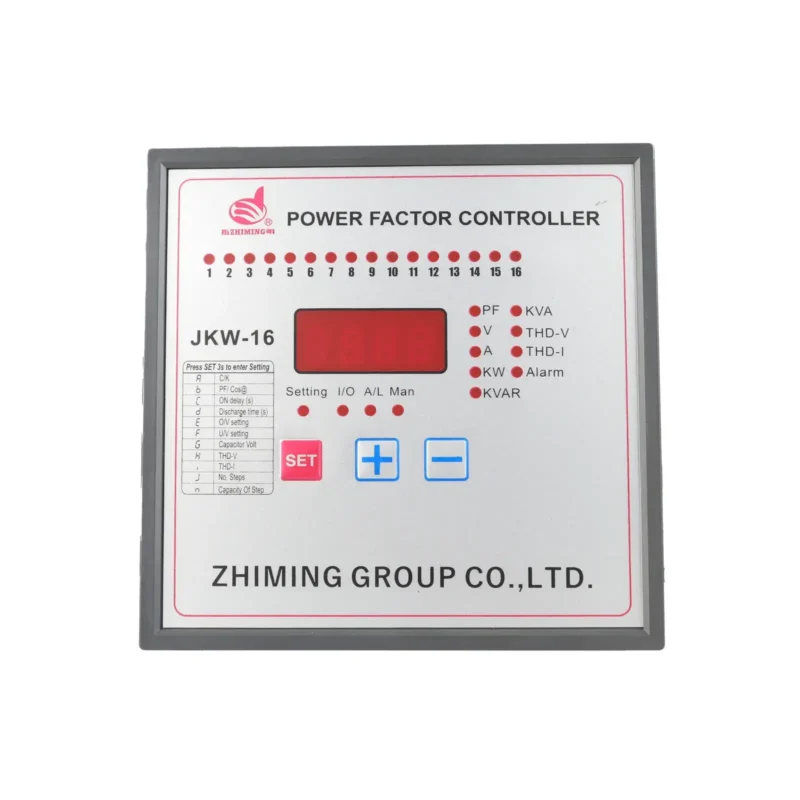
Observations from Real Systems
In practice, engineers sometimes notice:
- Reactive power absorption is slightly less emphasized than generation
- System response depends on controller settings
- Extreme conditions may require additional tuning
So while SVC can absorb reactive power, its effectiveness is influenced by real operating conditions rather than theory alone.
SVC vs Traditional Reactive Power Compensation Methods
Comparison of Reactive Power Solutions
| Solution | Reactive Power Control | Absorb Reactive Power | Response Speed |
|---|---|---|---|
| SVC | Dynamic | Yes | Fast |
| Capacitor Bank | Step-based | Limited | Slow |
| STATCOM | Fully dynamic | Yes | Very Fast |
For many industrial users, SVC provides a practical balance between cost and performance in reactive power compensation systems.
When SVC is the Preferred Solution
SVC is typically selected when:
- Reactive power fluctuates frequently
- Voltage instability affects operations
- Both supplying and absorbing reactive power are required
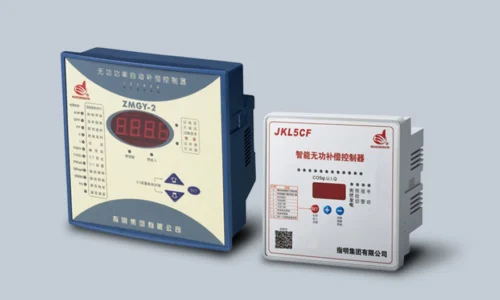
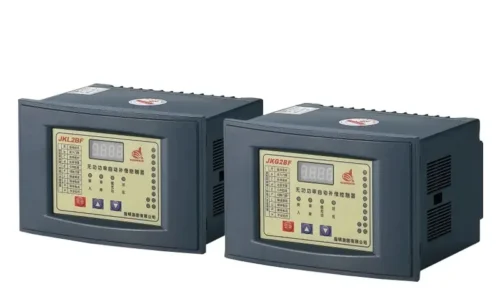
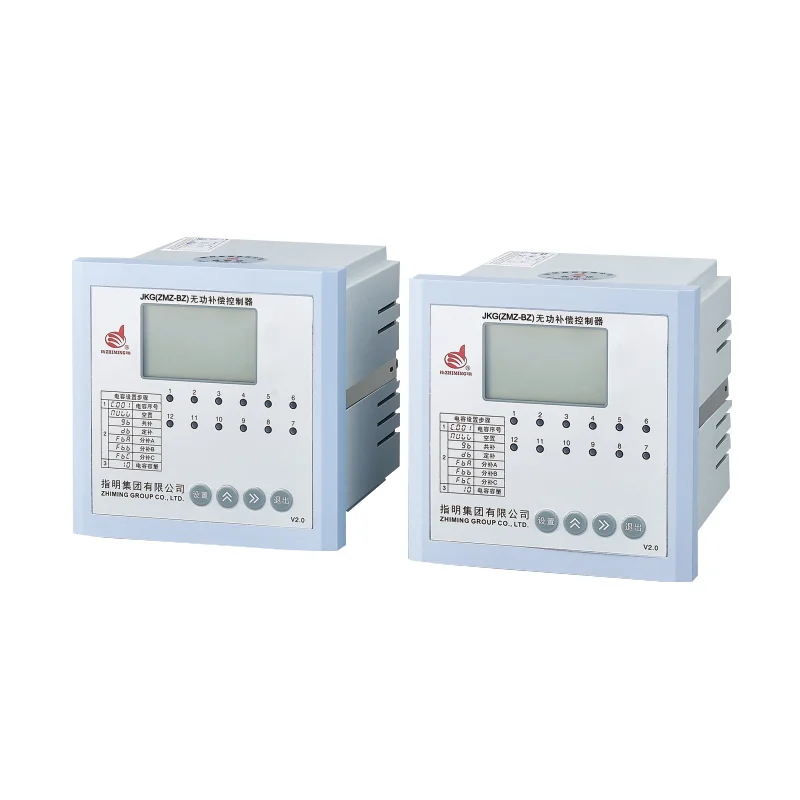
Controllers Supporting Reactive Power Optimization
In modern systems, controllers are essential for maintaining stable reactive power control.
For example:
- Reactive Power Compensation Controller improves automation and system response
- Split-phase Capacitor Controller supports smaller-scale reactive power applications
- Three Phase Capacitor Controller is used in larger industrial systems
These devices help ensure that reactive power is adjusted continuously, rather than in fixed steps.
Practical Benefits of SVC in Industrial Environments
Operational Improvements
Using SVC for reactive power control often leads to:
- Stable voltage across the system
- Reduced transmission losses
- Improved power factor
- Lower risk of equipment failure
In many cases, the improvement is gradual but consistent, especially in systems with fluctuating loads.
Typical Industrial Applications
SVC is commonly used in:
- Steel plants
- Mining operations
- Renewable energy integration
- Large manufacturing facilities
In these environments, managing reactive power is part of daily operations rather than a one-time adjustment.
Key Considerations Before Installing SVC
Before implementing SVC for reactive power compensation, engineers usually evaluate:
- Load variability
- Existing reactive power imbalance
- Harmonic distortion
- Required response time
A simple checklist:
- Is voltage stability an issue?
- Does the system experience excess reactive power?
- Are existing solutions too slow to respond?
If these conditions are present, SVC-based reactive power control becomes a strong candidate.
Conclusion
SVC is not limited to supplying reactive power—it can also absorb reactive power when system conditions require it. This dual capability makes it highly effective for reactive power control in industrial power systems.
In real applications, performance depends on system design, load characteristics, and controller configuration. Still, for industries dealing with voltage instability and fluctuating loads, SVC remains a reliable solution for managing reactive power in a controlled and flexible way.
FAQ
What happens if reactive power is not properly controlled?
Poor reactive power control can lead to voltage instability, increased losses, and potential damage to electrical equipment over time.
Can SVC handle both overvoltage and undervoltage conditions?
Yes, by switching between capacitive and inductive modes, SVC can stabilize voltage under different operating conditions.
Is SVC suitable for systems with rapidly changing loads?
Yes, SVC is specifically designed for dynamic environments where reactive power changes frequently.