On October 16th, Cuba’s Ministry of Energy and Mines confirmed a total blackout across the national power system. Around 10 million people lost electricity, though some areas in the capital have since regained power. The situation reflects broader challenges facing aging electrical infrastructure worldwide.
Such events naturally raise questions about grid reliability and the components that keep power flowing. Among these essential components, the power capacitor stands out as particularly important for maintaining stable electrical systems.

Table of Contents
Understanding Power Capacitor Technology
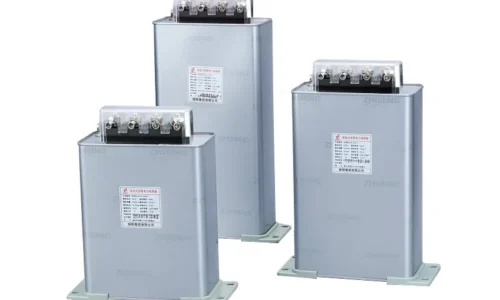
A power capacitor stores electrical energy and releases it when needed to balance voltage levels throughout a network. These devices work constantly in the background, making tiny adjustments that most people never notice unless something goes wrong.
The basic concept is pretty straightforward actually. Two conductive plates separated by insulating material create an electric field that holds energy. When system conditions change, that stored energy gets released almost instantly to compensate.
What makes modern power capacitor products interesting is how much the technology has improved over the years. Today’s units last longer, perform better, and cause fewer environmental concerns than older designs that sometimes contained problematic materials.
Why Capacitors Matter for Grid Stability
Electrical grids face constant challenges from changing loads throughout the day. Factories start up in the morning, air conditioners kick on during hot afternoons, and demand drops at night. Without proper compensation, these fluctuations cause voltage problems that can spread across entire networks.
A well-designed power capacitor installation helps smooth out these variations. The components provide reactive power support that generators alone cannot efficiently deliver. This might sound technical, but the practical result is simply more reliable electricity.
Some key functions of capacitor systems include:
Voltage regulation across transmission distances
Power factor improvement for industrial loads
Reactive power compensation at substations
Reduction of energy losses in transmission lines
Protection for sensitive electronic equipment
Types of Power Capacitor Products Available
The market offers various capacitor solutions depending on voltage levels and specific application requirements. Matching the right product to actual conditions matters quite a bit for long-term performance.
High Voltage Power Capacitors
Transmission networks need robust equipment capable of handling serious electrical stresses. High voltage power capacitor banks typically operate anywhere from 35kV up to 500kV or even higher in some specialized applications.
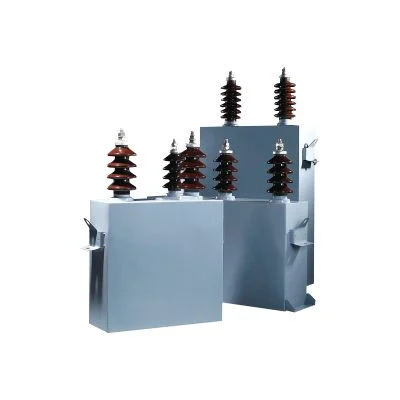
Product Category | Typical Voltage Range | Common Uses |
Shunt capacitor banks | 35kV – 500kV | Substation reactive support |
Series capacitor units | 69kV – 500kV | Transmission enhancement |
Filter capacitor assemblies | 10kV – 400kV | Harmonic reduction |
Coupling devices | 66kV – 765kV | Protection and metering |
These installations represent significant investments, but utilities generally find the efficiency improvements justify the costs. Properly placed capacitor banks can dramatically reduce losses across long transmission distances.
Medium and Low Voltage Power Capacitor
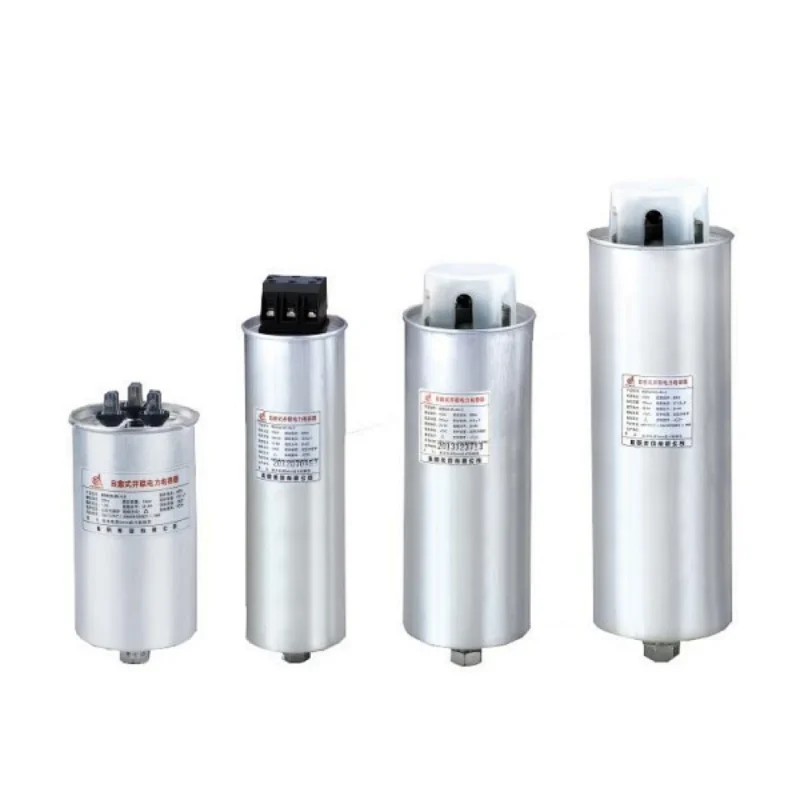
Distribution systems and industrial facilities typically use medium voltage power capacitor products operating between 1kV and 35kV. Closer to end users, low voltage units handle power factor correction at individual buildings or equipment.
The benefits at these levels are often more immediately visible in monthly electricity bills. Many businesses discover that installing appropriate capacitor systems pays for itself within a couple years through reduced utility charges alone.
Applications Across Different Industries
Industrial and Commercial Uses
Manufacturing facilities with large motor loads benefit tremendously from capacitor installations. Motors inherently consume reactive power that utilities penalize through demand charges. Proper compensation eliminates most of these penalties while improving overall power quality.
Common industrial applications involve:
Steel mills with arc furnace loads
Mining operations running large conveyor systems
Chemical plants with numerous process motors
Paper mills and cement production facilities
Food processing with refrigeration equipment
Commercial buildings also see meaningful improvements from power capacitor systems. Office towers, shopping centers, and similar properties can reduce energy costs and extend equipment life through proper reactive power management.
Renewable Energy Integration
Wind farms and solar installations create unique challenges that capacitor technology helps address. Variable generation output requires sophisticated reactive power support to meet grid interconnection requirements and maintain stability during output fluctuations.
Maintenance Considerations for Capacitor Systems
Like any electrical equipment, power capacitor installations need appropriate care to achieve their expected service life. Neglecting maintenance eventually leads to failures that might have been prevented.
Regular inspection should check for physical damage, oil leakage around bushings, and signs of overheating. Periodic testing verifies that capacitance values remain within acceptable ranges and insulation integrity hasn’t degraded.
Factors affecting power capacitor longevity include:
Operating temperature at installation location
Actual loading versus rated capacity
Exposure to voltage transients or harmonics
Quality of original manufacturing
Consistency of maintenance practices
Most quality products deliver 15 to 25 years of service when properly applied and maintained. Some installations exceed 30 years, though that depends heavily on operating conditions throughout the equipment’s life.
Selecting Quality Capacitor Products
Not every power capacitor on the market offers the same quality or reliability. Working with established manufacturers generally proves worthwhile even when initial costs run slightly higher.
Important evaluation criteria include manufacturing experience, quality certifications, technical support availability, and warranty terms. The cheapest option rarely delivers best value when considering total ownership costs over equipment lifespan.
Proper installation matters just as much as product selection. Many manufacturers offer commissioning support to ensure equipment operates correctly from initial startup. Taking advantage of these services helps avoid problems that might otherwise appear months or years later.
FAQ
What exactly does a power capacitor do in electrical systems?
A power capacitor stores and releases electrical energy to help regulate voltage and improve power factor throughout networks. These devices compensate for reactive power demands that motors and other inductive loads create, reducing losses and improving overall system efficiency.
How often should capacitor systems be inspected?
Most experts recommend visual inspection at least annually, with more comprehensive testing every three to five years. Critical applications or harsh environments may warrant more frequent examination. Catching problems early generally costs much less than dealing with unexpected failures.
Can installing capacitors actually reduce electricity bills?
Yes, properly designed systems typically lower costs by improving power factor and avoiding utility penalty charges. Industrial and commercial users often recover their investment within one to three years through direct energy savings, with benefits continuing for the entire equipment lifespan.