You use an energy storage capacitor to keep and give out electrical energy fast when needed. An energy storage capacitor stores energy as an electric charge. You can see that an energy storage capacitor helps control power in many systems. When you need quick energy, an energy storage capacitor gives it to you. You depend on an energy storage capacitor for steady performance.
Table of Contents
Energy storage capacitor basics
Structure and function
A capacitor looks easy to understand. It helps store energy. Inside, there are two metal plates. These plates are very close together. They do not touch each other. Between the plates is an insulator. The insulator keeps the plates apart. It stops electricity from moving straight across.
When you connect a capacitor to power, one plate gets positive charge. The other plate gets negative charge. The insulator holds these charges in place. Think of a capacitor like a water tank with a rubber sheet inside. If you add water to one side, the rubber stretches. It holds the water back. More water makes the rubber stretch more. In the same way, the plates hold more charge as you add energy.
Tip: You can use capacitors in many B2B jobs. They work in power management, machines, and backup power.
Here is a table to show the main parts of a capacitor:
| Part | What It Does |
| Plate 1 | Holds positive charge |
| Plate 2 | Holds negative charge |
| Insulator | Keeps plates apart, stores energy |
You can pick different insulator materials. Some are ceramic, plastic, or glass. The material changes how much energy the capacitor stores. It also changes how fast it can give out energy.
Energy stored in capacitors
You store energy in a capacitor by adding charge to the plates. The energy comes from the electric field between the plates. When you need energy, the capacitor lets out the charge fast. This is helpful when you want quick power bursts.
Think about a spring. If you push down, you store energy. When you let go, the spring jumps up and releases energy. A energy storage capacitor works like this, but with electric charge.
You use energy storage capacitor in B2B places to smooth voltage. They give backup power or quick energy to machines. In a factory, a energy storage capacitor helps equipment run during short power dips. The energy stops sudden stops or damage to devices.
Capacitors can:
- Keep power supplies steady
- Protect equipment from voltage spikes
- Give fast energy to start motors
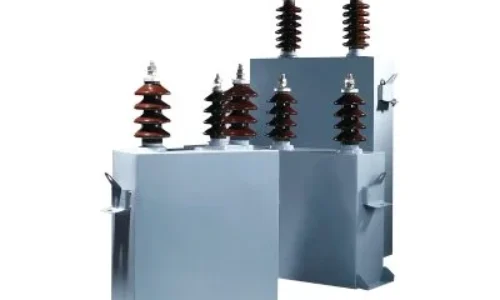
Besides these general uses, some capacitors are built for handling very high energy demands. A High Voltage Power Capacitor is designed to manage heavy loads and stabilize large-scale power networks, making it vital in industrial grids.
Note: How much energy a capacitor stores depends on plate size, distance between plates, and insulator type.
You see capacitors in many industries. They give fast and reliable energy storage. They can store and release charge quickly. This makes them different from other energy storage devices. You can trust capacitors when you need speed and reliability.
Energy storage types

There are different types of capacitors for storing energy. Each type works best for certain jobs. You need to know how they store and release energy.
Electrolytic capacitors
Electrolytic capacitors are good when you need high capacity. They store a lot of energy in a small space. You find them in power supplies and backup systems. The energy stored in a capacitor like this helps with big surges and keeps equipment running.
Ceramic capacitors
Ceramic capacitors are used for fast response and steady power. They work well in high-frequency circuits. You see them in control panels and signal units. The energy stored in a capacitor with ceramic material comes out quickly. This helps sensitive electronics work smoothly. In smaller systems where lower energy levels are required, a different option is more suitable. A Low Voltage Power Capacitor is commonly used in compact circuits and electronic devices to maintain stability without taking up much space.
Supercapacitors
Supercapacitors store even more energy and charge faster. They are between regular capacitors and batteries. You get quick energy release and more storage. Supercapacitors are used in renewable energy, electric cars, and backup power.
Note: Supercapacitors can be charged and used thousands of times. They last a long time and give steady energy for your business.
Here is a table to compare the main types of energy storage capacitors:
| Type | Best Use Case | Energy Storage | Charge Speed | Lifesapn |
| Electrolytic | Power supply, backup systems | High | Moderate | Medium |
| Ceramic | Signal processing, control | Low | Fast | Long |
| Supercapacitor | Renewable energy, vehicles | Very High | Very Fast | Very Long |
Each type of energy storage capacitor has special benefits. You pick the right one for your needs. You get the best results when you match the energy stored in a capacitor to your system.
Supercapacitors are special because they charge and discharge fast. They also store more energy like a battery. You use them when you need both speed and storage. Picking the right energy storage helps your B2B operations.
Callout: Always think about what kind of charge your system needs. The energy stored in a capacitor depends on its material and design. You get better results when you choose the right capacitor for your job.
Energy storage capacitors are important in modern energy storage. You use them for quick power, steady voltage, and protection. The right capacitor makes your business safer and more efficient.
Conclusion

You use a energy storage capacitor when you want fast power. It stores charge and lets it out quickly. You can keep machines safe with a capacitor. It helps smooth out voltage and supports equipment. If you look at other devices, a energy storage capacitor charges faster. It also lasts longer than most other devices.
Think about using a energy storage capacitor for your business. You will get quick power, safe machines, and steady energy.