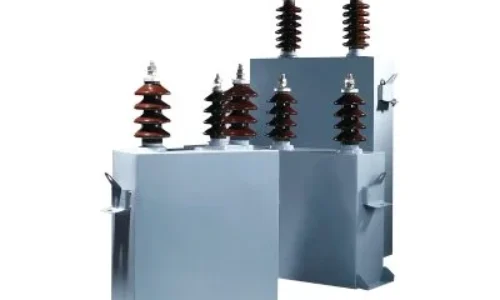
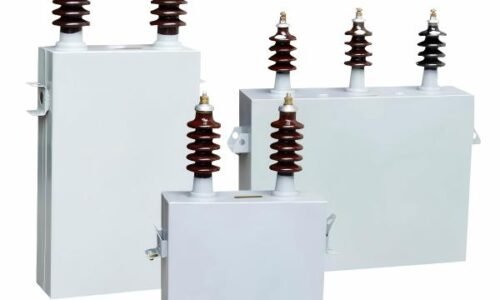
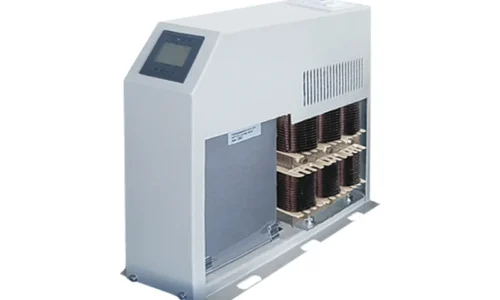
You use a power capacitor to hold electrical energy in your systems. This device has two conductors. There is an insulating layer between them. You can find a capacitor in many electrical devices. It helps machines work better. It also keeps your power supply steady.
Table of Contents
Power Capacitor Basics
Structure and Components
A power capacitor is a simple device, but it is very important. It has two main parts. These are the conductors and the insulator. The conductors are metal plates or foils. They hold electric charge. The insulator is called the dielectric. It sits between the plates. This material does not let electricity go through. It keeps the plates apart. It also helps the power capacitor store energy safely.
Most capacitors use plastic film, paper, or ceramic for the insulator. You can find these devices in a metal or plastic case. The case keeps dust, water, and damage away from the inside. Some capacitors have safety parts. These can be pressure switches or fuses. They help stop accidents if the capacitor breaks. Tip: Always check the insulator’s quality when picking a power capacitor. A good insulator makes it work better and last longer.
How Power Capacitors Work
A power capacitor holds and gives out electrical energy. When you connect it to power, it stores energy between its plates. The insulator stops the charge from leaking out. When your system needs more power, the capacitor gives out the stored energy fast.
You use power capacitors in many places. In factories, they help keep voltage steady. In power grids, they balance how electricity flows. They also help with reactive power compensation. This means they give or take energy when needed. You can find them in control panels, motors, and lights. Here is a table that shows what power capacitors do in different places:
| Application Area | What the Capacitor Does |
| Industrial Machines | Lowers voltage drops |
| Power Distribution | Balances energy flow |
| Control Systems | Makes signals more stable |
| Lighting Circuits | Stops flicker and saves energy |
You can see that capacitors are important in many systems. They help your equipment work well and protect it from sudden power changes.
Energy Storage Function
The main job of a power capacitor is to store energy. You can think of it like a small battery. It charges and discharges very fast. But it does not hold energy for a long time. It gives a quick burst of power when needed.
Energy storage capacitors help control how electricity moves in your system. When machines start, they need extra power for a short time. The capacitor gives this extra energy. This helps your main power supply and stops blackouts or damage.
You also use electrical capacitors to make things work better. By storing and giving out energy, they cut down waste and lower your bills. In big power systems, these capacitors help the grid by giving reactive power compensation. This keeps voltage steady and stops power loss. Note: Always put in capacitors the right way. Safe installation gives the best results and lowers the chance of problems.
- Key Benefits of Using Power Capacitors:
- Store and give out energy fast
- Help keep voltage steady
- Make things work better and cost less
- Protect equipment from power surges
Types of Power Capacitors

There are different types of power capacitors in power systems. Each type has its own job. Knowing the types helps you pick the right one. The main types are low voltage, high voltage, and special application capacitors.
Low Voltage Power Capacitors
Low voltage power capacitor works in systems with less voltage. You see them in offices, factories, and small plants. These capacitors help save energy and make power better. You can put them in control panels, lights, and motors.
- Key Features:
- Simple to put in and take care of
- Small size fits in small places
- Helps stop energy waste
Low voltage power capacitors help with reactive power compensation. This keeps voltage steady and lowers your bills. Many buyers use these to make their machines work better. Tip: Use low voltage capacitors in panels to stop voltage drops and flickering lights.
High Voltage Power Capacitors
High voltage power capacitor works with much higher voltages. You find them in power lines and big networks. They help keep the grid safe and steady. These capacitors handle lots of energy and protect from surges.
- Where You Use Them:
- Power lines
- Substations
- Big factories
High voltage power capacitors balance energy in the grid. You use them to control voltage and send good power far away. They also help cut down power loss.
| Application Area | Benefit of High Voltage Capacitor |
| Transmission Networks | Keeps voltage steady |
| Substations | Protects from surges |
| Large Factories | Makes energy use better |
Note: Always follow safety steps with high voltage power capacitors. Safe setup keeps your team and equipment safe.
Special Application Capacitors
Some power capacitors have special jobs. Special application capacitors work where normal ones do not fit. You might need them for control, safety, or talking in your system.
- Examples of Special Application Capacitors:
- For power factor correction in sensitive machines
- Used in carrier communication systems
- Made for surge protection
You use these in smart panels, relay systems, and networks. Special application capacitors help fix hard problems in your system. They make your work safer and more reliable. Alert: If your system is special, ask an expert before picking a capacitor. The right one keeps your gear safe and your business running well.
Conclusion

You now know what a power capacitor does and why it matters. You see how its structure helps store energy and keep your system steady. Always choose the right type for your needs. Make sure you install and maintain each unit safely for the best results.