Table of Contents
Why Discharging Matters
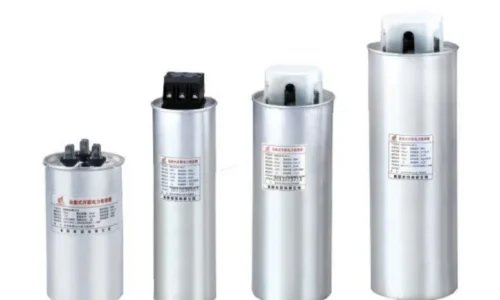
A power capacitor stores electrical energy. That’s its job. The problem comes when technicians forget that stored energy remains even after equipment powers down. Unlike batteries that drain slowly, capacitors can hold dangerous charge levels for surprisingly long periods—hours, sometimes days.
The shock hazard is real and serious. Small capacitors might deliver an unpleasant jolt. Larger industrial units? Those can cause severe burns, cardiac issues, or worse. Even experienced electricians have been caught off guard by capacitors they assumed were safe.
Beyond personal safety, uncontrolled discharge damages equipment. A capacitor dumping its energy suddenly through an accidental short can weld contacts together, blow traces off circuit boards, or destroy sensitive components. Controlled discharge protects both people and equipment.
Essential Safety Gear
Before attempting any discharge procedure, proper equipment makes a significant difference:
- Insulated gloves rated for electrical work
- Safety glasses or face shield
- Insulated screwdriver or discharge tool
- Appropriate discharge resistor
- Multimeter for verification
- Non-conductive work surface
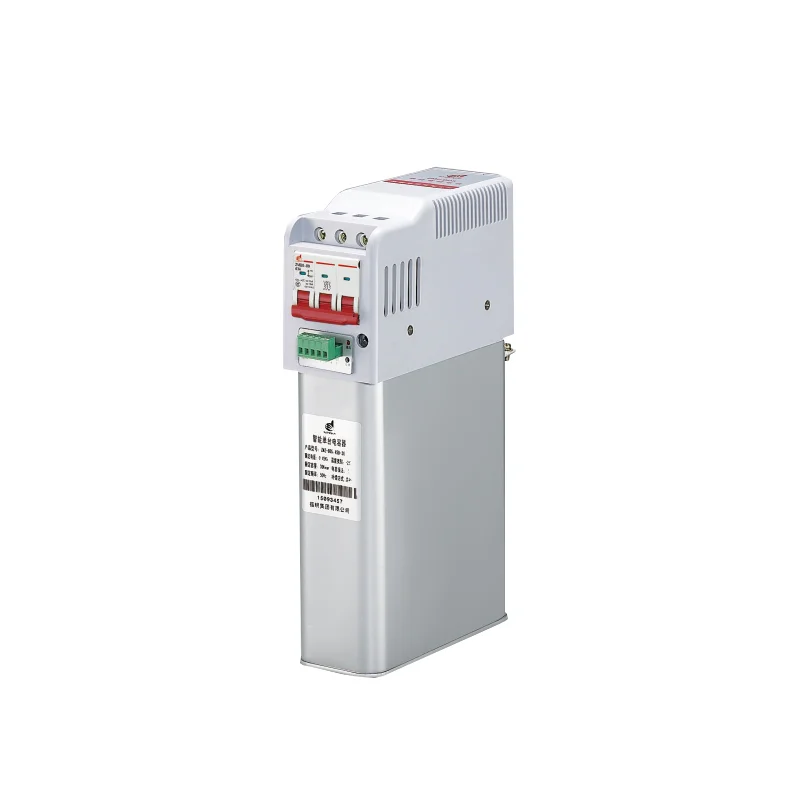
Some technicians get casual about safety gear, especially for smaller capacitors. This approach tends to work fine until it doesn’t. A power capacitor that seems harmless based on its size can still deliver a memorable shock. The few seconds spent putting on gloves seems worthwhile considering the alternative.
The Resistor Discharge Method
Choosing the Right Resistor
This method represents the safest and most controlled approach. A resistor limits current flow during discharge, converting stored energy to heat gradually rather than releasing it instantaneously.
Resistor selection depends on the capacitor’s voltage rating and capacitance:
| Capacitor Voltage Rating | Recommended Resistor | Approximate Discharge Time |
|---|---|---|
| Under 50V | 1kΩ, 5W | A few seconds |
| 50V – 450V | 20kΩ, 5W | 10-30 seconds |
| Over 450V | 20kΩ+, 10W or higher | 30-60 seconds |
Higher resistance values slow the discharge process but reduce stress on the resistor. Lower values work faster but generate more heat. Finding the balance matters, especially when working with high-capacity units.
Step-by-Step Discharge Procedure
The actual process is straightforward once proper preparation is complete:
- Disconnect the equipment from all power sources
- Verify power disconnection with a multimeter
- Identify the capacitor terminals clearly
- Attach or hold the resistor across both terminals
- Maintain contact for the appropriate duration
- Remove the resistor carefully
- Verify discharge with a multimeter
- Short the terminals briefly as final confirmation
That last step—shorting after resistor discharge—might seem redundant. But it catches residual charge that sometimes remains, particularly in larger power capacitor units or any high voltage capacitor found in industrial equipment. A small spark during this final short is normal and indicates the resistor did most of the work safely.
The Screwdriver Method
When Direct Shorting Applies
Some situations call for faster, more direct approaches. Using an insulated screwdriver to short capacitor terminals works but comes with important caveats.
This method suits:
- Small, low-voltage capacitors
- Situations where resistors aren’t available
- Quick verification after resistor discharge
It definitely does not suit:
- Large industrial power capacitor units
- High-voltage applications
- Capacitors with unknown ratings
The distinctive pop and spark from direct shorting can be dramatic. On larger capacitors, this instantaneous discharge creates significant current flow—enough to damage screwdriver tips, weld metal, or spray molten material. Not ideal.
Proper Technique
For appropriate applications, the technique involves:
- Grip the screwdriver by its insulated handle only
- Keep face and body clear of the capacitor
- Touch the metal shaft across both terminals simultaneously
- Expect a spark—don’t flinch and lose contact prematurely
- Hold contact for a second or two
- Verify discharge with a meter
One common mistake involves touching terminals sequentially rather than simultaneously. This achieves nothing except potentially shocking the person holding the screwdriver when they contact the second terminal.
Built-In Discharge Resistors
Many modern power capacitor designs include internal bleed resistors. These components slowly discharge the capacitor automatically after power removal. Convenient, certainly, but not a reason to skip manual discharge procedures.
Why the caution? Bleed resistors fail. They can burn out, become disconnected internally, or simply take longer than expected. A capacitor rated for five-minute automatic discharge might actually require fifteen minutes if its bleed resistor has degraded. Testing assumptions in electrical work tends to have unpleasant consequences.
Treat built-in discharge as a helpful backup rather than primary protection. Manual discharge and verification remain essential steps regardless of what the specifications claim about automatic bleeding.
Verifying Complete Discharge
Multimeter Verification
Never assume discharge is complete without measurement. Set the multimeter to DC voltage mode and measure across the capacitor terminals. Readings should show essentially zero—under one volt certainly.
Higher readings mean the discharge process needs continuation. This happens more often than expected, particularly with:
- Very large capacitance values
- Capacitors with degraded bleed resistors
- Units that weren’t fully isolated from charging sources
The Final Short Test
After meter verification, a brief direct short provides physical confirmation. A tiny spark or none at all indicates successful discharge. Any significant spark means more discharge time is needed, despite what the meter showed.
This belt-and-suspenders approach might seem excessive. Perhaps it is, most of the time. But the one occasion it catches an incompletely discharged power capacitor justifies every previous unnecessary check.
Special Considerations for Large Capacitors
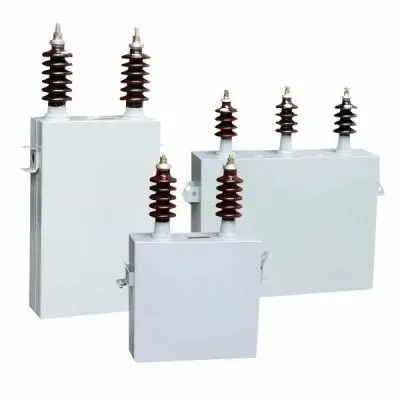
Industrial and utility-scale capacitors require additional precautions beyond standard procedures:
- Use discharge sticks rated for the voltage involved
- Maintain safe distances during initial discharge
- Allow extended discharge times
- Consider multiple discharge cycles
- Document the procedure for safety compliance
Large capacitor banks in power factor correction systems or motor starters store tremendous energy. The discharge process for these installations often follows specific protocols established by facility safety programs. Improvising with standard techniques on industrial equipment invites serious problems.
Frequently Asked Questions
How long can a power capacitor hold its charge?
This varies considerably based on the capacitor’s construction and condition. Some capacitors discharge naturally within minutes through internal leakage. Others—particularly film types in good condition—can hold significant charge for days or even weeks. Quality power capacitor units with minimal leakage retain charge longest. Never assume a capacitor has self-discharged regardless of how long equipment has been off.
Can you discharge a capacitor with a wire instead of a resistor?
Technically yes, but this approach creates problems. A plain wire offers almost no resistance, causing instantaneous discharge with maximum current flow. Expect loud pops, significant sparking, and potential damage to the capacitor terminals. For small capacitors under 50 volts, a wire works adequately. For anything larger, a resistor provides much safer, more controlled discharge.
What happens if you touch a charged capacitor?
The severity depends on the capacitor’s size and voltage. Small capacitors might cause a brief, startling shock. Larger units can cause burns, muscle contractions, falls from ladders, or cardiac events. A charged power capacitor essentially acts like a momentary short circuit through whatever contacts its terminals—including human fingers. The experience ranges from mildly unpleasant to potentially fatal.