Table of Contents
Understanding Solid Power Capacitors
Solid power capacitors have become the preferred choice in quality electronics, particularly in computer motherboards, graphics cards, and power supplies. Unlike traditional electrolytic capacitors that use liquid electrolyte, solid variants utilize conductive polymer materials. This fundamental difference in construction leads to significantly improved longevity and reliability.
The shift toward solid capacitors happened gradually over the past two decades. Anyone who dealt with computers in the early 2000s probably remembers the capacitor plague—bulging and leaking caps that killed countless motherboards. That era, frustrating as it was, pushed manufacturers toward better solutions.
These days, finding a quality motherboard without solid capacitors would be unusual. They’ve essentially become standard equipment. But the question remains: just how long do these components actually last?
Typical Lifespan Expectations
Rated Hours vs Real-World Performance
Most solid power capacitors carry ratings between 5,000 and 50,000 hours at their maximum specified temperature—typically 105°C. Some premium components boast ratings exceeding 100,000 hours. But what do these numbers actually mean in practice?
The thing is, capacitors rarely operate at maximum temperature continuously. Under normal conditions—say, a well-ventilated computer case at moderate ambient temperatures—the effective lifespan extends considerably beyond rated specifications.
A rough breakdown of expected longevity:
- Consumer-grade solid capacitors: 10-15 years typical
- Mid-range quality components: 15-20 years possible
- Premium/industrial grade: 20+ years under ideal conditions
These figures assume reasonable operating environments. Extreme conditions change everything, which brings us to the factors that actually determine how long your power capacitor will survive.
Factors Affecting Capacitor Longevity
Temperature Impact
Heat kills capacitors. This isn’t particularly surprising—heat damages most electronic components eventually—but the relationship with capacitors follows a fairly predictable pattern. For every 10°C increase above the rated temperature, lifespan roughly halves. Conversely, operating below rated temperatures extends life substantially.
A solid power capacitor rated for 5,000 hours at 105°C might last:
| Operating Temperature | Estimated Lifespan | Usage Scenario |
|---|---|---|
| 105°C | 5,000 hours | Maximum rated stress |
| 95°C | 10,000 hours | Heavy sustained load |
| 85°C | 20,000 hours | High-performance system |
| 75°C | 40,000 hours | Typical desktop use |
| 65°C | 80,000+ hours | Well-cooled system |
The math works out favorably for most users. A desktop computer running perhaps 8 hours daily at reasonable temperatures could theoretically see its solid capacitors last 20-30 years. Most people upgrade hardware long before that becomes relevant.
Voltage Stress and Ripple Current
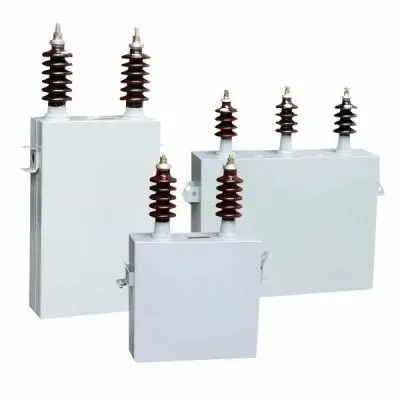
Operating a power capacitor near its voltage limits accelerates wear. Quality designs incorporate adequate safety margins—using capacitors rated well above the voltages they’ll actually encounter. This principle applies across applications, from small electronics to industrial three phase power capacitor installations used in factory power factor correction systems. Cheap products sometimes cut corners here, regardless of the application scale.
Ripple current matters too, particularly in power delivery applications. High ripple generates internal heat, circling back to the temperature problem. In industrial settings, a three phase power capacitor bank faces continuous cycling that makes thermal management even more critical. Better power supply designs minimize ripple, indirectly extending capacitor life throughout the system—whether that’s a desktop computer or a large-scale electrical distribution network.
Environmental Conditions
Beyond temperature, several environmental factors influence longevity:
- Humidity levels (excessive moisture causes problems)
- Vibration exposure (relevant for portable devices)
- Air quality (dust accumulation affects cooling)
- Power quality (voltage spikes and surges)
Most indoor environments don’t present serious challenges. Industrial settings, outdoor equipment, or regions with unstable power grids pose greater risks.
Solid vs Electrolytic Capacitor Lifespan
The comparison tells an interesting story. Traditional electrolytic capacitors typically last 1,000 to 10,000 hours at rated conditions. Solid polymer capacitors start where electrolytics max out.
Why such a dramatic difference? Liquid electrolyte eventually dries out or leaks. Solid polymer doesn’t have this failure mode. The conductive polymer might degrade over time, but the process is far slower and more predictable.
Advantages of solid power capacitors include:
- No liquid to leak or evaporate
- Better high-temperature tolerance
- Lower ESR (equivalent series resistance)
- More stable electrical characteristics over time
- Greater resistance to physical stress
The premium price for solid capacitors—often 2-3 times the cost of equivalent electrolytics—generally justifies itself through extended service life and improved reliability.
Signs of Capacitor Degradation
Even solid capacitors don’t last forever. Recognizing early warning signs helps prevent unexpected failures:
- System instability under load
- Random crashes or blue screens
- Difficulty booting or maintaining stable operation
- Visible bulging (rare with solid caps but possible)
- Burn marks or discoloration on circuit boards
Unlike electrolytic capacitors that often fail dramatically—bulging, leaking, sometimes even popping—solid power capacitors tend to degrade more gracefully. Performance diminishes gradually rather than catastrophically, which is both good and bad. Good because sudden failures are less common. Bad because problems can go unnoticed longer.
Maximizing Capacitor Lifespan
Practical Recommendations
Several straightforward practices help extend the life of solid capacitors in electronic equipment:
- Maintain adequate airflow around heat-generating components
- Clean dust filters and fans regularly
- Avoid placing equipment in direct sunlight or near heat sources
- Use quality power strips with surge protection
- Don’t obstruct ventilation openings
These suggestions might seem basic—they are, honestly—but following them consistently makes a measurable difference over years of operation.
Final Thoughts
Solid power capacitors represent a genuine improvement in electronic component reliability. While exact lifespan depends on numerous variables, expecting 15-20 years of service from quality components under normal conditions is entirely reasonable.
For anyone building or buying electronic equipment, the presence of solid capacitors—particularly from reputable manufacturers—offers meaningful peace of mind. The technology has matured considerably, and premature capacitor failure has become far less common than it once was.
Frequently asked questions
Do solid capacitors ever need replacement?
Under normal conditions, quality solid power capacitors outlast other components in most systems. Replacement becomes necessary only if actual degradation symptoms appear, which typically takes 15-20+ years in consumer electronics. Most hardware becomes obsolete before capacitor failure occurs.
Are all solid capacitors the same quality?
No. Significant quality variations exist between manufacturers and product lines. Japanese brands like Nippon Chemi-Con, Nichicon, and Panasonic generally offer superior reliability. Budget components from unknown manufacturers may not deliver expected longevity despite identical specifications on paper.
Can I identify solid capacitors visually?
Usually yes. Solid capacitors typically have flat or slightly domed tops without the characteristic X or K vent markings found on electrolytic capacitors. They’re often shorter and wider relative to their capacitance rating. Color varies by manufacturer—commonly black, gold, blue, or red.