Table of Contents
Introduction — Why Checking Power Capacitors Matters
In modern industrial environments, power capacitors play a critical role in maintaining energy efficiency, stabilizing voltage, and supporting reliable equipment performance. For B2B buyers and maintenance teams, ensuring that each capacitor is operating properly is essential to avoid unexpected downtime or power disruptions. Regular inspection allows businesses to maintain system efficiency and extend equipment lifespan. Among several diagnostic tools, the multimeter stands out as one of the most practical and effective instruments for testing a power capacitor’s health and reliability.
Understanding the Role of Power Capacitors
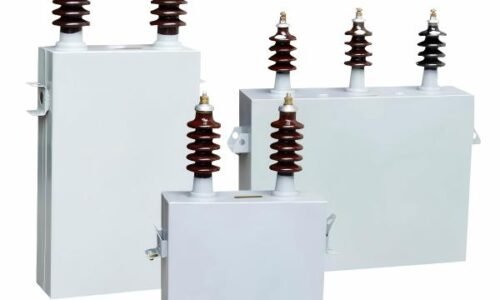
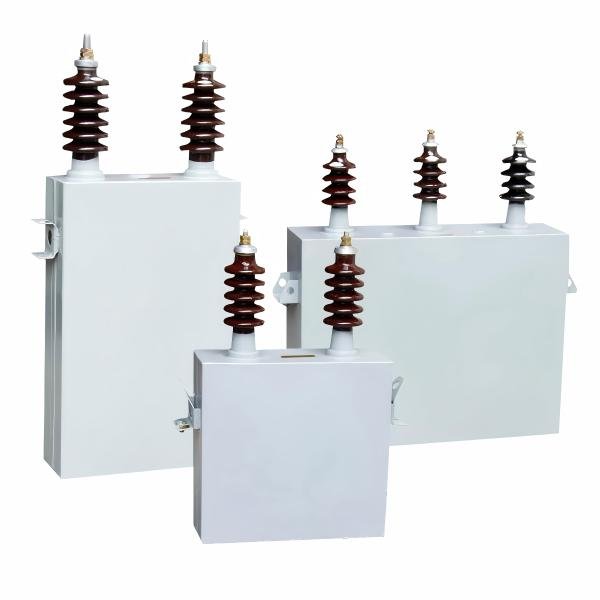
A power capacitor is a key component in electrical networks and industrial systems. It helps improve power factor, reduce energy losses, and stabilize voltage in large-scale applications. Power capacitors are widely used in manufacturing plants, power distribution networks, and automation systems. In high-demand electrical environments, a High Voltage Power Capacitor is often applied to stabilize voltage and manage heavy industrial loads effectively.
Over time, however, capacitors may degrade due to environmental factors, temperature variations, or electrical stress. Visible signs such as swelling, overheating, or irregular voltage performance often indicate that a capacitor requires inspection. For businesses that rely heavily on consistent electrical performance, knowing how to test capacitors effectively can prevent costly failures and maintain production continuity.

Preparing for Multimeter Testing
Before testing a power capacitor, preparation is essential. Industrial environments require strict safety protocols, and testing procedures should only be performed by trained personnel. Always disconnect the power supply and make sure the capacitor is fully discharged before handling.
Using a multimeter for testing is a standard method across industries. The device helps determine whether a capacitor can still store and release electrical energy efficiently. Proper preparation—such as ensuring stable work conditions, using insulated tools, and following safety checklists—helps technicians perform accurate and reliable tests.
Step-by-Step Guide: How to Check a Power Capacitor by Multimeter
Step 1 – Disconnect and Discharge the Capacitor
Safety comes first. Start by disconnecting the power capacitor from the circuit and ensuring it is completely discharged. Residual charge can cause injury or damage to testing instruments. Use insulated tools to safely discharge any remaining energy before proceeding.
Step 2 – Set the Multimeter Correctly
Next, configure the multimeter to the appropriate testing mode for capacitors. Most industrial multimeters include a capacitance testing function. Setting the tool correctly ensures the results accurately reflect the capacitor’s performance.
Step 3 – Measure the Power Capacitor
Attach the multimeter probes to the capacitor terminals, observing proper polarity if applicable. Hold the probes steadily and wait for the reading to stabilize. The multimeter will display the capacitance value, which can be compared to the expected range provided by the component’s specifications.
Step 4 – Evaluate the Results
Once the readings are obtained, interpret them based on general industry standards. A significant deviation from normal behavior—such as no reading, fluctuating values, or slow discharge—may indicate internal faults. In that case, the capacitor should be replaced or inspected further. For industrial operators, replacing a faulty power capacitor promptly ensures continued efficiency and safety across connected systems.
Common Mistakes When Testing Power Capacitors
Testing power capacitors may seem simple, but mistakes are common in industrial environments. One frequent error is neglecting to fully discharge the capacitor before measurement, which can damage both the multimeter and the operator’s safety. Another mistake involves misinterpreting readings due to incorrect multimeter settings.
Technicians may also overlook the impact of temperature or residual voltage on test results. Inconsistent readings often stem from environmental conditions or unstable connections. To avoid these problems, always follow a systematic testing approach and ensure all connections are secure before taking a measurement.
Maintenance Insights for B2B Buyers
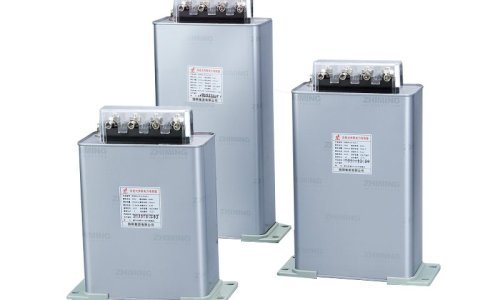
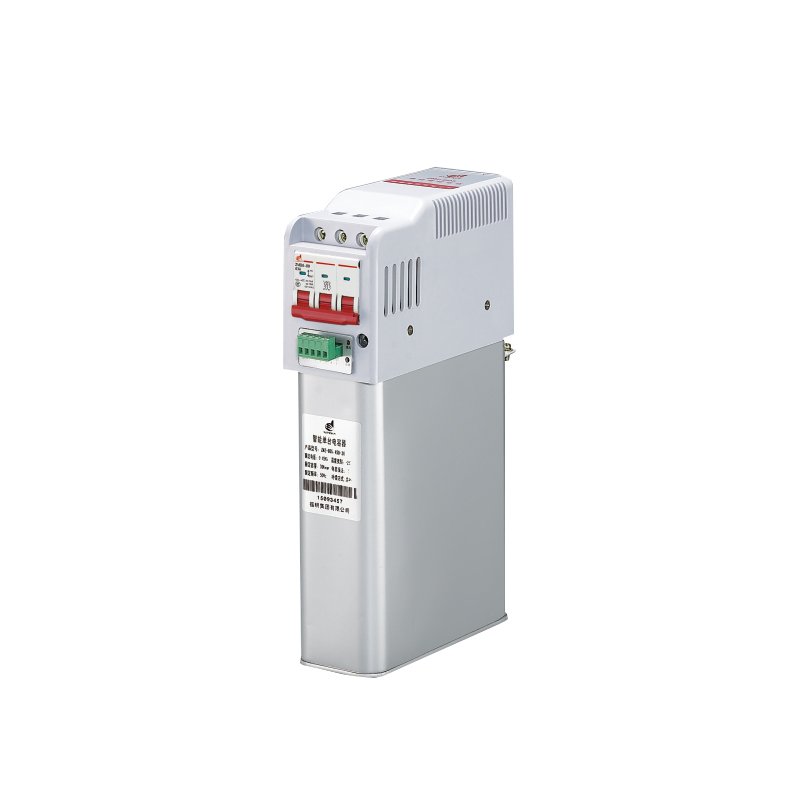
For B2B buyers, testing and maintaining power capacitors are part of a long-term reliability strategy. When dealing with distribution panels or smaller control systems, a Low Voltage Power Capacitor is commonly inspected to maintain consistent efficiency. Regular inspections help identify early signs of wear and allow for proactive maintenance scheduling. This not only extends equipment life but also reduces downtime and energy waste.
Incorporating capacitor testing into preventive maintenance programs helps ensure that all electrical systems perform at optimal efficiency. Partnering with reliable capacitor suppliers who offer quality assurance and after-sales technical support can further strengthen operational reliability. Consistent monitoring helps avoid unplanned interruptions and supports compliance with industrial power standards.
Conclusion — Reliable Testing Ensures System Stability
Checking power capacitors by multimeter is a straightforward yet vital process that supports system stability and energy efficiency. By following proper testing procedures, businesses can detect issues early, reduce operational risks, and maintain reliable power performance.
For industrial users and B2B buyers alike, a proactive testing routine ensures the long-term health of electrical systems. Whether part of scheduled maintenance or troubleshooting, regular capacitor inspection remains one of the simplest and most effective ways to sustain efficiency and safety in today’s demanding power environments.