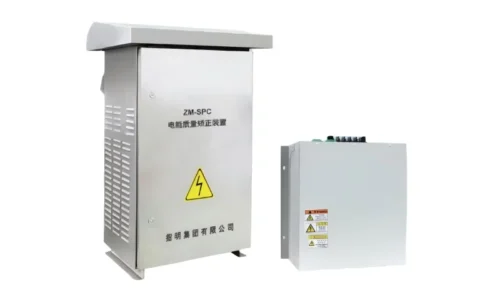
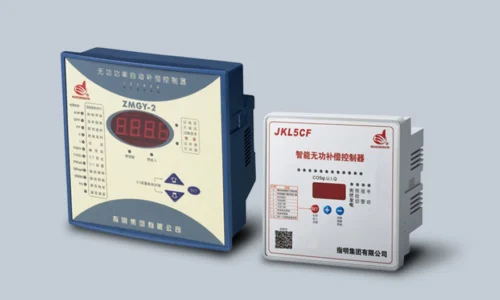
If you see these signs, your power capacitor might be bad:
- Devices will not turn on or lose power fast.
- Systems turn off and on for no clear reason.
- You hear a humming or clicking noise.
- You smell something burning or see smoke near it.
Finding problems early keeps you safe and saves money.
Table of Contents
Common problems
No Power
A bad power capacitor can make the ac lose all power. The ac will not turn on if the power capacitor is broken. Other parts may look fine, but the ac still does not work. This is a very common problem in homes and businesses. Many times, the air conditioner capacitor cannot hold or give out energy. Because of this, the ac does not answer when you use the thermostat or try to restart it. People may see this problem in air conditioners, fridges, and other machines that need a power capacitor to start. These smaller systems often use components rated for lower operating voltages. In such cases, a Low Voltage Power Capacitor is typically installed to support startup and maintain steady power delivery in residential or light commercial HVAC units. Tip: If your ac will not turn on, check the capacitor first. Doing this can help you save time and money.
Intermittent Operation
A bad ac power capacitor can also make the ac work on and off. Sometimes the ac starts but then stops running soon after. This happens when the capacitor cannot keep a steady charge. The ac may cool for a short time and then stop, making the room too warm. This can also make the system get too hot and break more parts. People may notice the ac blows warm air or keeps turning on and off. These problems mean the air conditioner power capacitor is not working well and needs to be fixed right away. Note: When hvac systems work on and off, it can hurt business and cost more money. Finding these problems early helps the system last longer and work better.
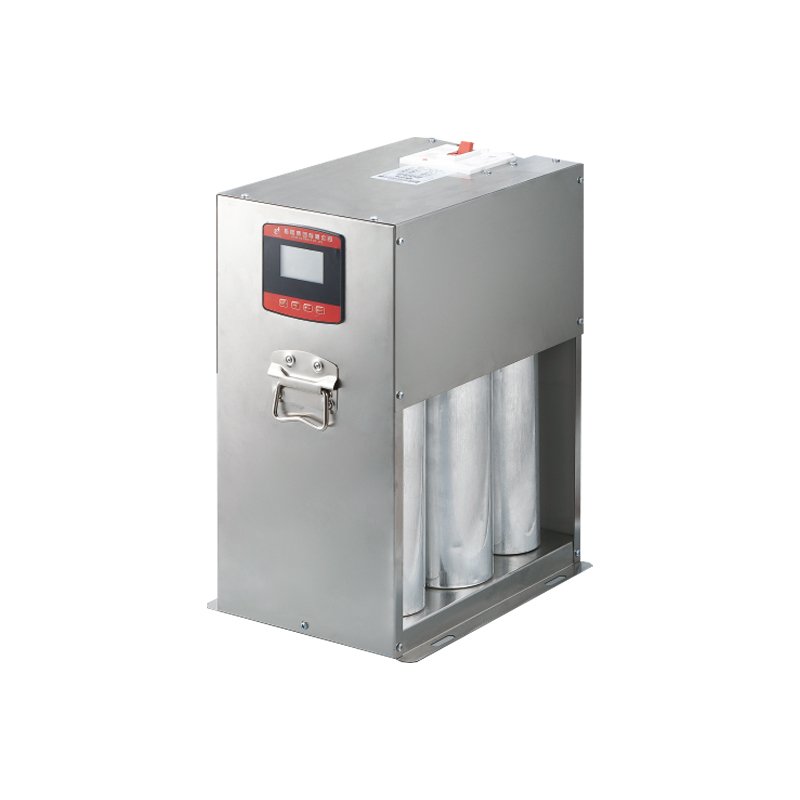
Unusual Noises
Humming
A faulty power capacitor can make a humming sound. This sound often comes from the ac unit or other hvac equipment. The humming starts when the system tries to run but does not get enough power. The capacitor cannot give the energy needed, so cooling is weak. Many times, this humming is an early sign of capacitor failure. Overheating inside the capacitor can also make this noise. If the humming keeps happening, the capacitor might fail soon. Business owners should look for bulges or swelling on the capacitor when they hear this noise. Bulges mean the inside parts are damaged by heat or electrical stress. Early detection of these symptoms can prevent major failures and unexpected downtime. For more information, see our article How long do power capacitors last? Tip: Checking your ac unit often can stop capacitor failure and help keep cooling strong.
Clicking
Clicking sounds from an ac or hvac system can mean there is a problem with the capacitor. The clicking happens when the system tries to start but the capacitor cannot hold a charge. Each click shows the system is trying to turn on but does not work. This can cause the ac to work on and off and cool poorly. If the clicking keeps going, the ac unit may stop working. Facility managers should know how to test for a bad capacitor to stop downtime. Finding these signs early helps the system stay reliable and work well.
Burning Smell or Smoke
Electrical Odor
If you smell something burning near your ac, it could be the capacitor. When a capacitor goes bad, it can get too hot and make a strong electrical smell. This smell is not like dust burning. The odor comes from things inside the capacitor breaking down. If you notice this smell, turn off the ac and check the area. The smell might stay even after you turn off the system. Facility managers should see this as a warning. If you ignore the smell, it could cause more damage or even a fire. Finding the problem early can save money and stop big repairs. Tip: Always check out any burning smell from electrical machines. Acting fast keeps people and equipment safe.
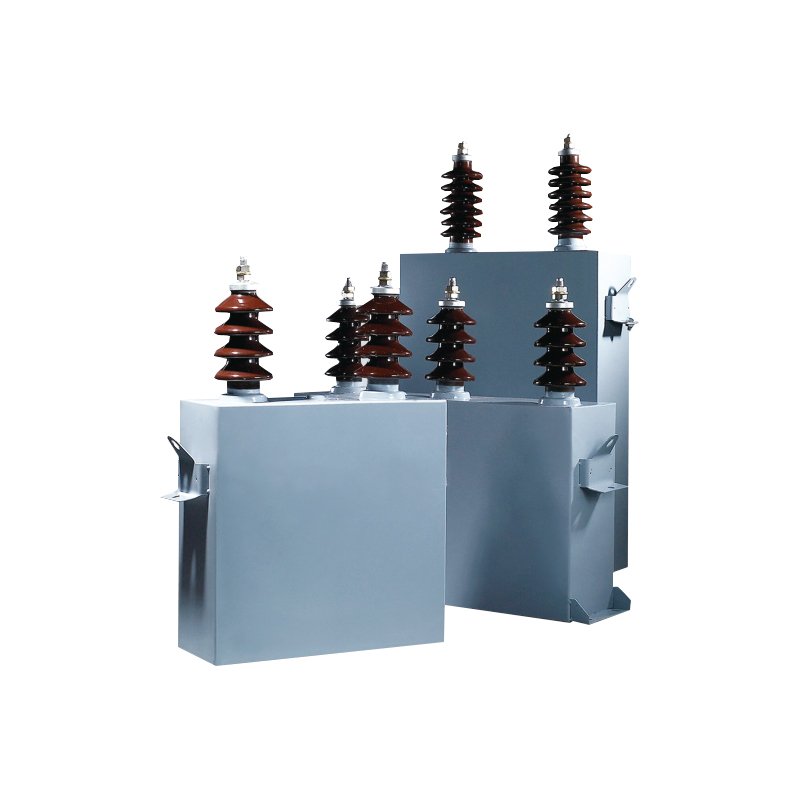
Visible Smoke
If you see smoke coming from your ac or hvac panel, the capacitor might be failing. Smoke means the capacitor is way too hot. Parts inside can melt or even catch fire. If you see smoke, turn off the hvac system right away and leave the area if you need to. Do not try to turn it back on until a trained technician checks it. Smoke usually comes after a strong burning smell and can mean other parts are hurt too. Checking your system often can help you find these problems before they get worse. Changing a bad power capacitor early keeps everything working and safe.
- Watch for these signs:
- Burning smell that does not go away
- Electrical odor near the ac
- Smoke from the hvac panel
Conclusion
Look for things like no power, odd sounds, or burning smells in your hvac system. Acting fast helps keep your equipment safe. If you see these problems, call a professional or a trusted power capacitor manufacturer. Doing regular hvac checkups can stop expensive repairs and help your system last longer.