Table of Contents
Why Testing a Power Capacitor Matters
A failing power capacitor can cause all sorts of headaches. Motors that won’t start properly, HVAC systems blowing warm air, or equipment making strange humming noises—these problems often trace back to capacitor issues. The thing is, not everyone has a multimeter sitting around. And honestly, even when one is available, sometimes the simpler methods reveal problems faster than fiddling with meter settings.
Capacitors store electrical energy, which makes them both useful and potentially dangerous. Before attempting any test on a power capacitor, proper discharge procedures are absolutely essential. This cannot be stressed enough. A charged capacitor can deliver a serious shock, even after equipment has been unplugged for hours.
Safety First: Discharging Before Testing
Before touching any power capacitor, the stored energy needs somewhere to go. There’s a common approach that works reasonably well for most situations:
- Disconnect all power sources completely
- Wait at least five minutes for any bleed resistors to work
- Use an insulated screwdriver with a resistor (around 20,000 ohms works) across the terminals
- Listen for a small spark or pop—that’s the discharge happening
- Short the terminals again to confirm full discharge
Some technicians skip the resistor part and just short directly, but this can damage the capacitor or create dangerous arcing. The resistor method takes slightly longer but treats the component more gently.
Visual Inspection Methods
Looking for Obvious Physical Damage
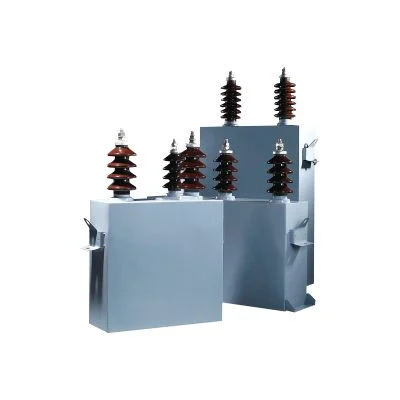
The easiest test requires nothing but working eyes. A damaged power capacitor often shows visible signs of failure:
- Bulging or swollen top surface
- Leaking oil or electrolyte residue
- Burn marks or discoloration on the casing
- Cracked or damaged housing
- Corroded terminals
These signs almost always indicate a failed component. If the capacitor looks physically damaged, further testing becomes somewhat pointless—replacement is the obvious next step.
Checking Terminal Condition
Terminals tell their own story. Loose connections, greenish corrosion, or melted plastic around connection points suggest problems. Sometimes a power capacitor tests fine electrically but fails because of poor terminal contact rather than internal issues.
The Manual Discharge Test
This old-school method works surprisingly well for identifying completely dead capacitors. After safely discharging the component:
- Disconnect the capacitor from its circuit entirely
- Using an appropriate DC power source, charge the capacitor briefly (matching its voltage rating)
- Remove the power source
- After waiting maybe thirty seconds, carefully short the terminals using an insulated tool
A working capacitor produces a noticeable spark during discharge. No spark at all? The capacitor probably cannot hold a charge anymore. A weak spark suggests diminished capacity—the component might work intermittently but is heading toward failure. Keep in mind that a low power capacitor may produce a smaller, less dramatic spark compared to higher-rated units, so adjusting expectations based on the component size matters.
This test has limitations, obviously. It cannot measure exact capacitance values or detect subtle degradation. Smaller components like a low power capacitor used in control circuits might show barely visible discharge, making interpretation trickier without experience. But for a quick field check when proper equipment isn’t available, the method has proven useful over many years—especially for larger motor run and start capacitors where the spark is unmistakable.
The Swap Test Method
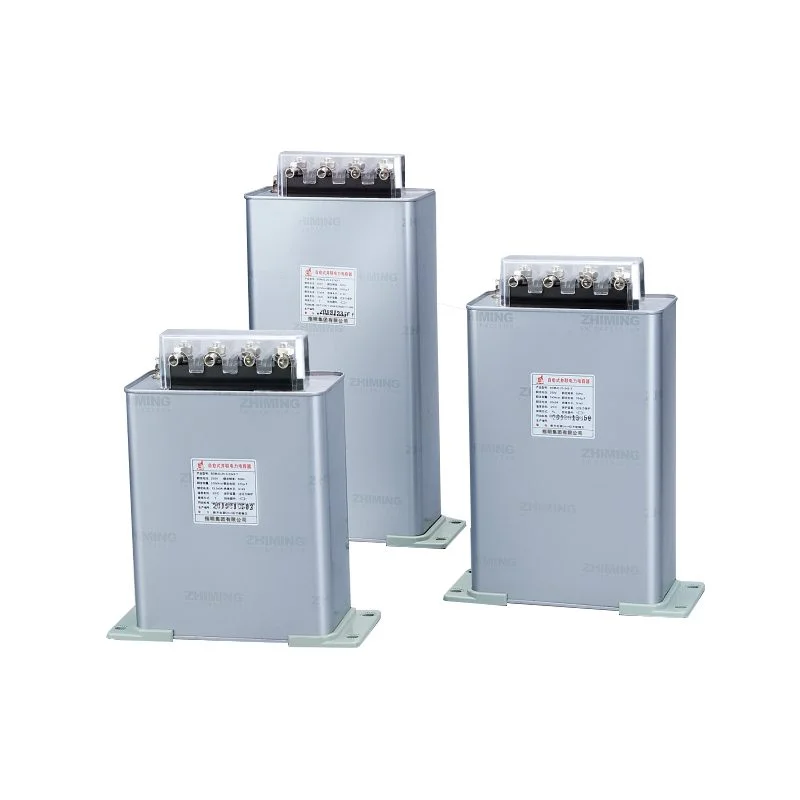
Perhaps the most definitive test without instruments involves substitution. If a spare power capacitor with matching specifications is available:
- Remove the suspected faulty capacitor
- Install the known-good replacement
- Power up the equipment
- Observe whether the problem disappears
When symptoms vanish with the new capacitor installed, the diagnosis becomes pretty clear. This approach works especially well for HVAC systems and motor applications where capacitor failure is common.
| Test Method | Difficulty Level | What It Reveals |
|---|---|---|
| Visual Inspection | Easy | Physical damage, leaks, bulging |
| Manual Discharge Test | Moderate | Basic charge-holding ability |
| Swap Test | Easy to Moderate | Functional performance comparison |
| Audible Hum Check | Easy | Internal shorts or damage |
Listening for Problems
The Audible Hum Check
In running equipment, a failing power capacitor sometimes makes noise. Unusual buzzing, clicking, or humming sounds from the capacitor location often indicate internal problems. This works best with motor start and run capacitors where the component experiences continuous cycling.
A healthy capacitor operates silently. Any persistent noise warrants closer inspection or replacement consideration.
When These Methods Fall Short
These no-meter techniques work great for identifying complete failures or obvious damage. However, they cannot detect subtle capacitance drift or ESR (equivalent series resistance) problems. A power capacitor might pass all visual and spark tests yet still underperform due to aging.
For critical applications—industrial equipment, expensive machinery, or safety systems—proper instrumentation testing remains the gold standard. The methods described here serve better as preliminary checks or emergency diagnostics when proper tools simply aren’t accessible.
Final Thoughts
Testing a power capacitor without a multimeter definitely has limitations, but these methods catch a surprising number of failures. Starting with visual inspection makes sense—many problems reveal themselves immediately. The discharge spark test adds another layer of confirmation, and swap testing provides near-definitive answers when spare parts are available.
For anyone maintaining equipment regularly, keeping a multimeter around eventually becomes worthwhile. But in a pinch, these techniques have helped countless technicians and DIY enthusiasts diagnose capacitor problems without fancy equipment.
Frequently Asked Questions
Can a capacitor be bad even if it looks normal?
Absolutely. Internal degradation happens without any visible external signs. A power capacitor can lose significant capacitance while appearing perfectly fine on the outside. Visual inspection catches many failures but not all of them.
How long should a discharged capacitor hold its charge during testing?
Generally, a healthy capacitor maintains its charge for several minutes at minimum. If the charge dissipates within seconds during the manual discharge test, internal leakage is likely occurring. The component may still function but probably not reliably.
Is it safe to test a power capacitor without professional training?
Basic visual inspection carries minimal risk. However, discharge testing and swap procedures involve working near electrical systems and potentially dangerous stored energy. Without confidence in proper safety procedures, consulting a qualified technician makes more sense than risking injury.