Table of Contents
Understanding Power Capacitor Basics and Why Selection Matters
Choosing the right power capacitor can feel overwhelming, honestly. There are so many options on the market, and each manufacturer claims their product is the best. But here’s the thing—selecting an inappropriate capacitor leads to premature failure, wasted money, and sometimes even safety hazards.
Power capacitors serve as essential components in electrical systems. They compensate reactive power, improve power factor, and help reduce those annoying utility penalties that eat into operational budgets. However, not every capacitor works equally well in every situation. The application environment, voltage requirements, and system characteristics all play crucial roles in determining the optimal choice.
Some facilities make the mistake of simply replacing failed units with identical models. This approach ignores whether the original specification was even correct. A proper evaluation considers current system conditions, which may have changed significantly since initial installation.
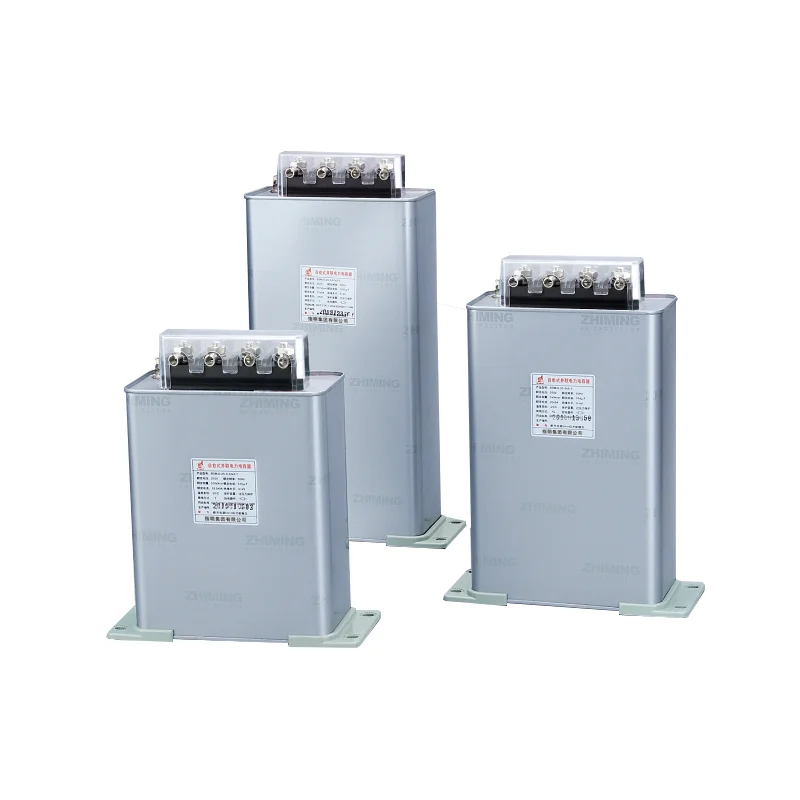
Main Types of Power Capacitor Technologies Available Today
Film-Based Capacitor Designs
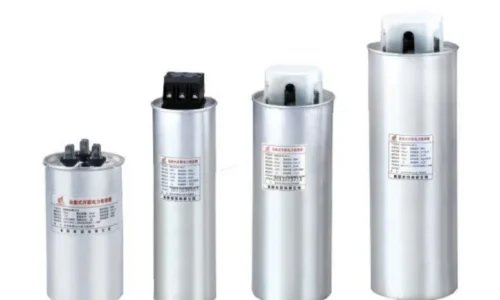
Modern power capacitors predominantly use metallized film technology. These units offer excellent self-healing properties when minor internal faults occur during operation. The metallized layer vaporizes around a breakdown point, isolating the damage without requiring replacement.
Polypropylene film remains the most popular dielectric material for several good reasons:
- Superior electrical properties at power frequencies
- Low dielectric losses compared to older materials
- Excellent thermal stability under continuous operation
- Long service life when properly applied
Paper-based designs still exist but have largely fallen out of favor. They lack self-healing capability and require more frequent replacement in demanding applications.
Dry Type Versus Oil-Filled Designs
This distinction matters more than many people realize. Dry type capacitors eliminate concerns about oil leaks and environmental contamination. They’re particularly suitable for indoor installations where spill containment would be problematic.
Oil-filled capacitors, on the other hand, offer better heat dissipation. The dielectric fluid transfers heat away from the capacitor core more effectively. For high-demand applications or warm environments, this thermal advantage proves significant. Modern designs use environmentally friendly dielectric oil that poses no pollution risks.
Fixed Versus Automatic Switching Banks
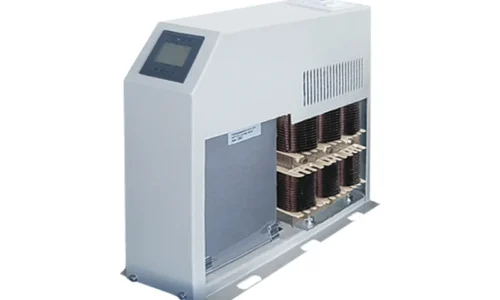
Fixed capacitor banks provide constant reactive power compensation. They work well when load profiles remain relatively stable throughout operation. Simple and reliable, fixed banks require minimal maintenance and have fewer components that could fail.
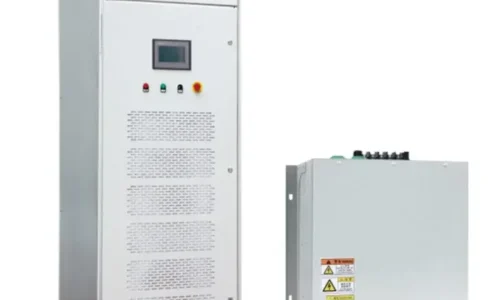
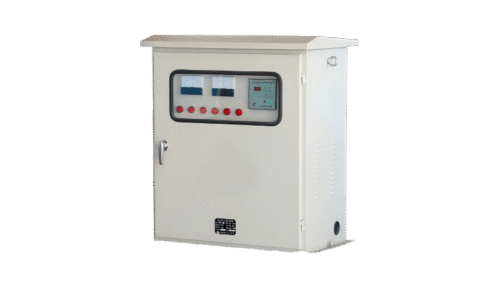
Automatic switching banks adjust compensation levels based on real-time power factor measurements. These systems suit facilities with variable loads—manufacturing plants with intermittent equipment, for instance. The additional complexity means higher initial cost and more potential maintenance needs.
Key Factors When Selecting a Power Capacitor for Your Application
Voltage and Frequency Compatibility
This seems obvious but gets overlooked surprisingly often. The capacitor voltage rating must exceed the maximum system voltage, including potential transient overvoltages. A capacitor rated at exactly nominal system voltage has no safety margin whatsoever.
Frequency compatibility deserves attention too. Most industrial capacitors handle both 50Hz and 60Hz systems, though performance characteristics differ slightly between frequencies. Always verify specifications match actual operating conditions.
Environmental and Installation Considerations
Where will the capacitor operate? This question shapes the entire selection process. Consider these environmental factors:
- Ambient temperature range throughout the year
- Humidity levels and condensation potential
- Presence of corrosive atmospheres or contaminants
- Vibration from nearby machinery
- Available space for installation and maintenance access
Indoor installations generally allow more flexibility in product selection. Outdoor units need appropriate enclosure ratings and may require heating elements in cold climates.
Harmonic Content in the Electrical System
Harmonics represent perhaps the most underestimated factor in capacitor selection. Nonlinear loads—variable frequency drives, LED lighting, computers—generate harmonic currents that can devastate standard capacitors.
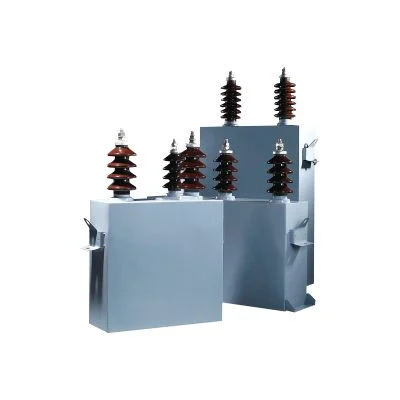
Without proper evaluation, a capacitor bank may experience severe overheating and premature failure. This concern applies equally to low voltage applications and high voltage power capacitor installations in industrial settings. Facilities with significant harmonic content need either detuned reactors or specially rated harmonic filter capacitors.
Power Capacitor Comparison Table for Common Applications
| Application Type | Recommended Capacitor | Key Features | Typical Lifespan |
|---|---|---|---|
| Commercial Buildings | Self-healing film, automatic bank | Adjustable compensation, compact design | 10-15 years |
| Manufacturing Plants | Heavy-duty oil-filled | High thermal capacity, robust construction | 15-20 years |
| Data Centers | Dry type with harmonic filtering | Low losses, harmonic tolerance | 12-15 years |
| Water Treatment | Outdoor-rated oil-filled | Weather resistant, corrosion protection | 15-20 years |
| Agricultural | Basic fixed bank | Simple installation, cost-effective | 10-12 years |
Installation and Maintenance Practices That Extend Capacitor Life
Proper installation practices significantly impact how long a power capacitor actually lasts. Mounting orientation, conductor sizing, and ventilation all contribute to reliable operation. Rushing through installation to save time often creates problems down the road.
Regular inspection schedules help catch developing issues before complete failure occurs. Visual checks for swelling or leakage, thermal imaging for hot spots, and capacitance measurements all provide valuable diagnostic information. Some facilities skip maintenance entirely until something fails—a costly approach in the long run.
Discharge resistors built into modern capacitors provide safety during maintenance. However, verification with appropriate test equipment remains essential before touching any terminals. Stored energy in a charged capacitor can be lethal.
Frequently Asked Questions
How do I know if my current power capacitor is undersized?
Signs of undersized capacitors include persistent power factor penalties on utility bills, voltage fluctuations at the service entrance, and capacitor units running unusually warm. A power quality analysis reveals whether existing compensation meets actual system requirements. Load growth often means capacitor banks need expansion beyond original installation capacity.
Can power capacitors be used with variable frequency drives?
Standard power capacitors should not connect on the load side of variable frequency drives. The high-frequency switching creates harmonic currents that quickly damage conventional capacitor dielectrics. Capacitors on the line side require detuning reactors when significant VFD loads exist. Specially designed harmonic filter capacitors offer another solution for these challenging environments.
What causes power capacitors to fail prematurely?
Several factors contribute to early capacitor failure. Overvoltage conditions stress the dielectric beyond design limits. Excessive harmonic currents cause internal heating that degrades insulation materials. Poor ventilation prevents adequate heat dissipation during operation. Manufacturing defects occasionally slip through quality control processes. Operating environment extremes outside rated temperature ranges accelerate aging significantly.