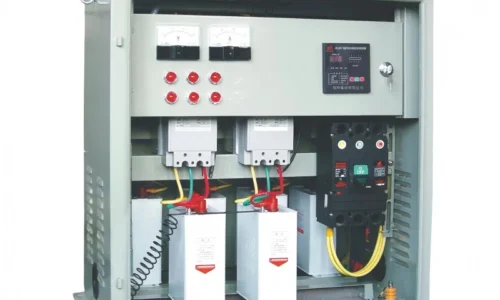
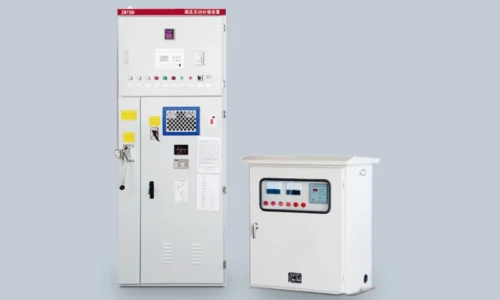
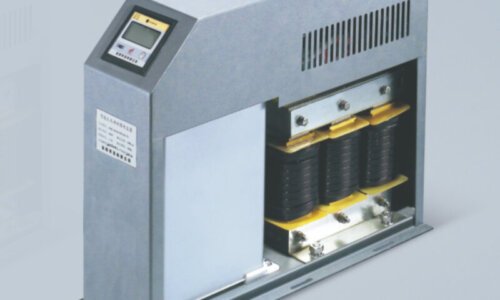
Current transformers are one of those unsung heroes in the electrical world. You might not see them often, but they’re everywhere, quietly doing a job that keeps systems running safely and efficiently. They’re designed to step down high electrical currents to lower, more manageable levels—something that’s crucial for measurement, protection, and control. But where exactly do these devices find their place? Let’s break it down, looking at the most common and practical applications, from large power grids to small commercial setups.
Table of Contents
Current Transformers in Power Generation and Transmission
Power plants—whether they’re coal, natural gas, wind, or solar—rely heavily on current transformers to keep operations in check. When electricity is generated, it’s produced at high currents that are too strong to measure or control directly. That’s where the current transformer comes in. It takes that high current and scales it down to a standard, safe level (usually 5 amps or 1 amp) that meters and protective relays can handle.
In transmission lines, too, current transformers are a staple. These lines carry electricity across long distances at extremely high voltages and currents. Without a current transformer, monitoring the flow of electricity would be nearly impossible—and dangerous. The transformers are mounted on transmission towers or in substations, working around the clock to provide accurate current readings. This data helps grid operators balance load, detect faults, and prevent blackouts.
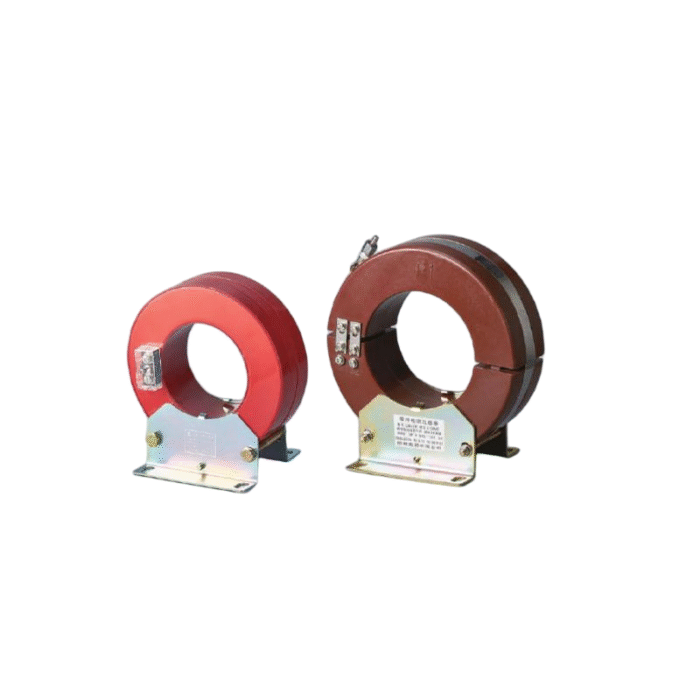
Current Transformers in Industrial Settings
Industrial facilities—factories, manufacturing plants, refineries—are another big user of current transformers. These places have heavy machinery, large motors, and complex electrical systems that draw significant current. A current transformer here does two key things: measure energy usage and protect equipment from overloads.
Key Industrial Applications
- Motor control: Monitoring the current drawn by large industrial motors to ensure they don’t overheat or draw too much power, which could damage the motor or cause a fire.
- Panel boards: Installed in electrical panels to measure current flow to different sections of the facility, helping managers track energy consumption and identify inefficiencies.
- Hazardous areas: In refineries or chemical plants, current transformers are used in explosion-proof enclosures to monitor current without risking ignition of flammable materials.
One thing to note—industrial current transformers are often built to be more rugged than those used in commercial settings. They have to withstand harsh conditions: high temperatures, dust, moisture, and sometimes vibration. That’s why they’re usually encased in durable materials like cast iron or heavy-duty plastic.
Current Transformers in Commercial and Residential Buildings
You might not realize it, but current transformers are even in the buildings you work in or live in—though they’re usually hidden away in electrical closets or utility rooms. In commercial buildings like offices, malls, or hospitals, they’re used to monitor the total electrical load of the building.
For example, a large office building with multiple floors, elevators, and HVAC systems needs to track how much electricity each area is using. A current transformer connected to the main electrical service entrance provides accurate readings, which helps building managers optimize energy use and reduce costs. In residential buildings, especially multi-unit complexes, current transformers are used to measure the electricity used by each unit, making billing fair and accurate.
Residential vs. Commercial Current Transformer Use
| Setting | Current Transformer Purpose | Typical Size |
|---|---|---|
| Residential (Single Home) | Measure total household current for utility billing | Small, compact (fits in electrical panel) |
| Commercial (Office/Mall) | Monitor load across multiple areas, optimize energy use | Larger, more robust (handles higher currents) |
Current Transformers in Renewable Energy Systems
As renewable energy grows in popularity—solar panels, wind turbines, and battery storage systems—current transformers have become even more important. These systems generate electricity in ways that can be variable (like wind speed or sunlight), so monitoring current flow is key to efficiency and safety.
In a solar panel system, for example, current transformers are used to measure the current produced by each panel array. This helps identify if a panel is underperforming (maybe it’s dirty or damaged) and ensures the energy is fed into the grid safely. Wind turbines use current transformers to monitor the current generated by the turbine’s generator, protecting the system from sudden surges or drops in current.
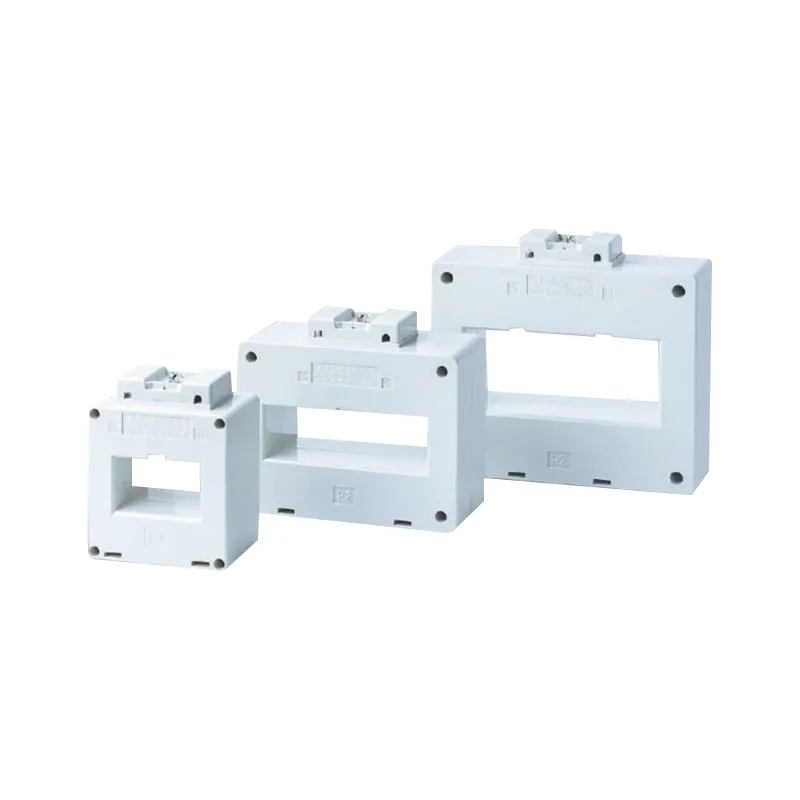
Steps for Current Transformer Use in Solar Systems
- Install current transformers on the DC side of the solar inverter to measure the current from the panels.
- Connect the transformers to a monitoring system to track real-time current readings.
- Use the data to adjust the system (e.g., clean panels, check wiring) for maximum efficiency.
If you want to know more about current transformer, please read What is the current transformer
FAQ
Can current transformers be used for DC current?
No, standard current transformers are designed for AC current only. They work on the principle of electromagnetic induction, which requires alternating current to produce a magnetic field. For DC current, specialized devices like hall effect sensors are used instead.
Are current transformers necessary in small electrical systems?
It depends on the system. Small systems (like a single residential home with low power needs) might not need a current transformer if the current is low enough to measure directly. But for any system with high current (above 100 amps) or a need for accurate monitoring, a current transformer is essential.
What happens if a current transformer is installed incorrectly?
Incorrect installation can lead to inaccurate readings, which might cause overloading or damage to equipment. In worst cases, it could even create a safety hazard—like a short circuit or electrical fire. It’s always best to have a qualified electrician install current transformers to ensure they’re wired properly.