Table of Contents
Observing the Chaos Before Automatic Power Factor Correction
Standing near the main electrical switchgear of a bustling manufacturing plant, there is usually a distinct, heavy vibration in the floor. Massive induction motors, stamping presses, and conveyor belts are constantly firing up and shutting down. Every time one of those heavy machines kicks on, it demands a massive gulp of reactive power just to magnetize its internal coils and get moving. This creates a highly erratic electrical environment. The power demand isn’t smooth at all; it violently spikes and dips throughout the workday.
When a facility pulls wildly fluctuating amounts of reactive energy from the utility grid, the overall electrical efficiency of the building takes a huge hit. The utility company has to work overtime to push that non-working energy down the lines (which is honestly a huge strain on their infrastructure). Because of this, they heavily penalize facilities with poor efficiency. To stop those painful fines, an intelligent intervention is needed. This is precisely where automatic power factor correction enters the picture, stepping in to act as a dynamic, localized energy buffer.
The Mechanics Behind Automatic Power Factor Correction Technology
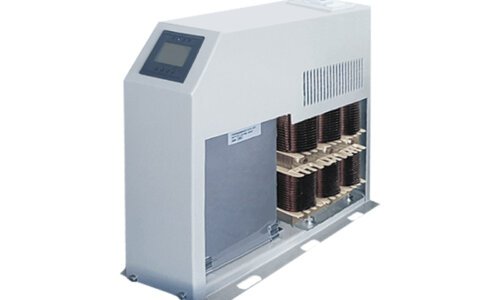
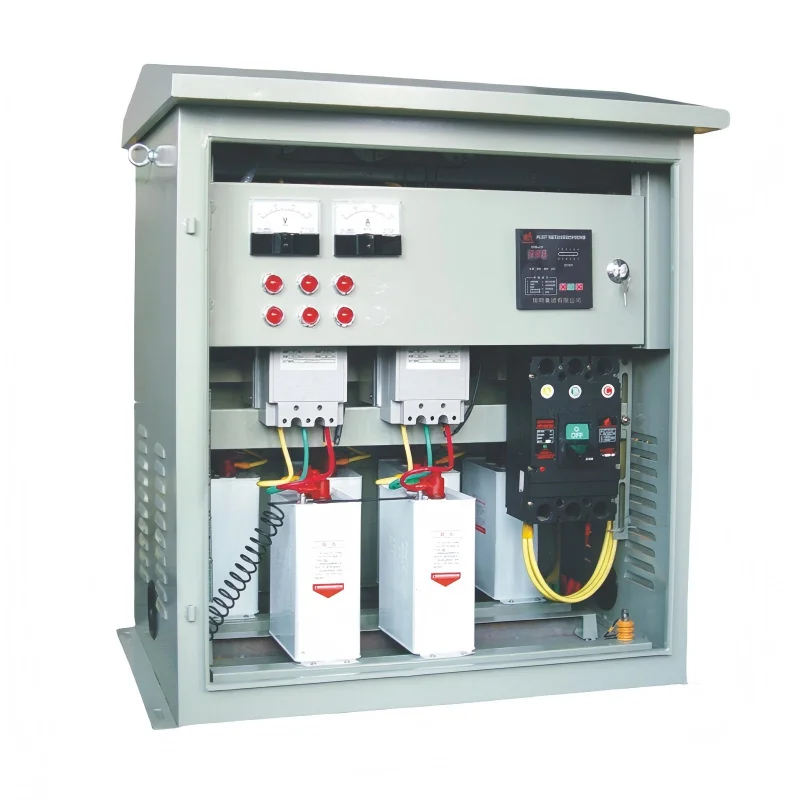
If you look inside an electrical control room, an automatic power factor correction panel usually just looks like a tall, unremarkable grey metal cabinet. But inside, it is constantly thinking and reacting. Unlike older, fixed capacitor setups that just turn on and stay on, this system reads the room. It watches the facility’s power draw in real-time.
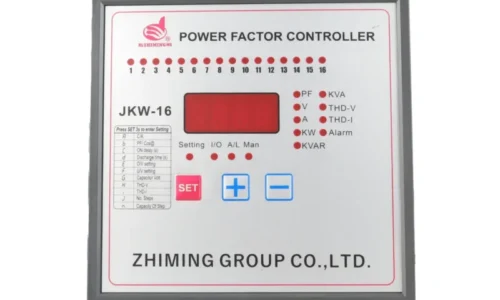
When the machinery load is light, the system sits quietly. But the second a massive motor turns on and efficiency starts to drop, the brain of the unit—a microprocessor controller—instantly calculates exactly how much reactive power is missing.
The typical setup inside the cabinet relies on a few critical components working together:
An intelligent reactive power controller that constantly measures the incoming voltage and current.
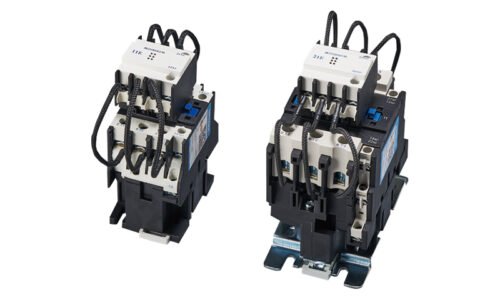
Heavy-duty magnetic contactors (or solid-state switches) that act as the physical trigger mechanism.
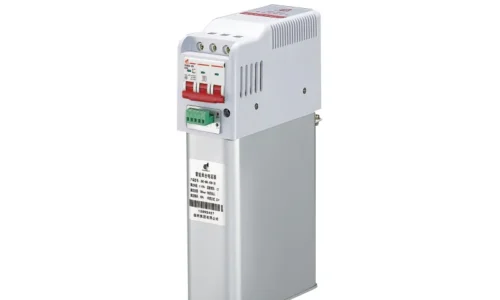
Multiple individual stages or “steps” of capacitors that store and release the localized reactive energy.
Cooling fans and detuned reactors to keep the internal temperature down and filter out electrical noise.
Because it operates in steps, an automatic power factor correction unit only deploys the exact amount of capacitance needed at any given second.
Why Automatic Power Factor Correction Beats Fixed Alternative Setups
The Financial Impact of Automatic Power Factor Correction Upgrades
Utility bills in the industrial sector are notoriously complex. They are filled with obscure line items and peak demand charges that seem almost designed to be confusing. But the penalty for poor reactive power—usually labeled as a kVAR charge or a low power factor multiplier—is painfully obvious.
When a facility delays installing an automatic power factor correction system, the financial and physical damage usually stacks up in a predictable, frustrating sequence:
The facility draws excessive reactive power to keep the erratic motors spinning, causing the utility meter to log extreme inefficiencies.
The massive amount of current flowing through the plant’s internal wiring generates excess heat, slowly degrading the insulation on the cables.
Voltage drops occur at the furthest ends of the factory, causing sensitive automated machines to randomly reset or glitch.
The monthly power bill arrives with thousands of dollars in unavoidable penalty fees attached to the bottom line.
By letting an intelligent controller handle the load, those penalties pretty much disappear overnight. The equipment usually pays for itself in utility savings within just a couple of years.
FAQ
How fast does the controller react to a changing electrical load?
It is incredibly quick. Most modern microprocessor controllers can sense a drop in electrical efficiency and trigger the contactors to bring another capacitor bank online within just a few milliseconds to a couple of seconds. This ensures the grid remains perfectly balanced even if a massive machine turns on suddenly.
Does automatic power factor correction actually reduce the real energy consumed?
Not exactly. It doesn’t lower the actual mechanical energy (measured in kilowatts) required to stamp a piece of metal or pump fluid. What it does is reduce the total apparent power drawn from the utility grid, which cleans up the electrical lines, reduces wasted heat, and eliminates those frustrating low-efficiency utility fines.
What kind of routine maintenance does this equipment require?
Even though it is mostly self-sufficient, it isn’t entirely maintenance-free. Dust and heat are the main enemies. It is generally recommended to have a technician visually inspect the capacitors for signs of swelling once a year, blow out any accumulated factory dust, and ensure the cooling fans on the cabinet are still spinning properly.