Looking inside a large electrical panel or a heavy industrial switchgear cabinet, it is easy to assume that all the components are more or less doing the same basic thing. But stepping down massive, dangerous electrical currents into a safe, measurable trickle requires a few distinct physical designs. You simply cannot use the same piece of hardware for a small 10-amp commercial circuit that you would use for a 4000-amp main utility feed. Because every electrical environment is slightly different, engineers over the decades have had to come up with various hardware shapes. A current transformer might be permanently bolted into place, or it might just snap casually around a wire. Understanding the distinct shapes and builds really helps make sense of how electrical grids are monitored.
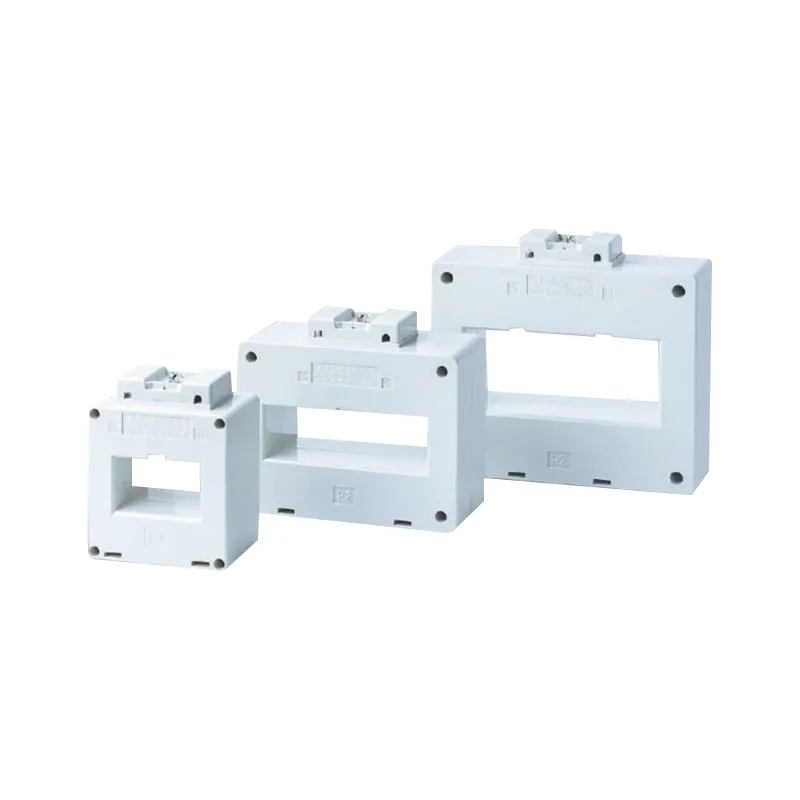
Table of Contents
The Classic Wound Current Transformer Design
When most people picture a traditional electrical component, they are probably visualizing something like a wound current transformer. It actually looks like a conventional transformer, just smaller.
In this design, there is a physical primary winding coiled directly inside the unit. The heavy utility wire doesn’t just pass through it; the power actually physically connects to the terminals on the device, flows through the internal coils, and then goes out the other side.
Where It Makes the Most Sense
This setup is usually installed when the main electrical load is relatively low. Because the primary current is physically winding around the internal core a few times, it guarantees a very high level of accuracy for measuring tiny loads. However, they are bulky. They take up a fair bit of space on a DIN rail or a backplate, which can be frustrating when dealing with crowded cabinets.
Window and Toroidal Current Transformer Variations
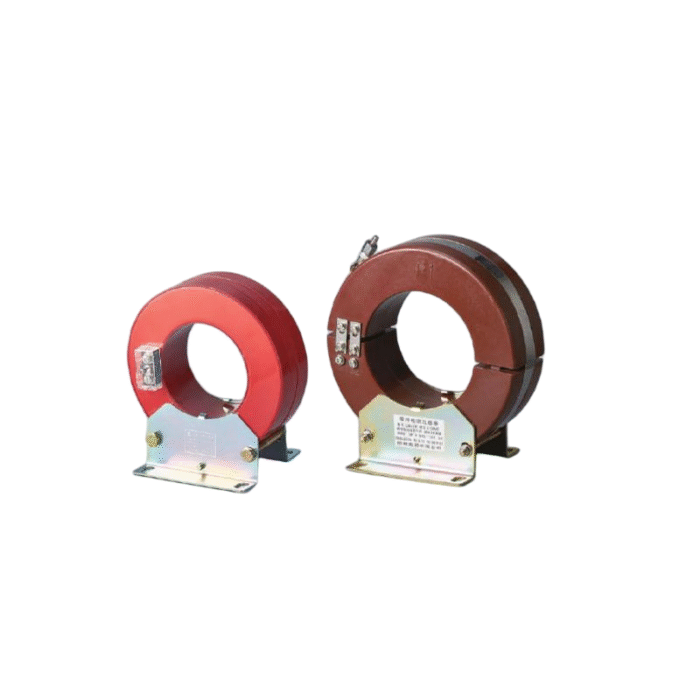
By far, the most common shape encountered in commercial buildings is the window-style device (often called a toroidal design). It is essentially just a plastic doughnut with magnetic material inside.
Unlike the wound version, there is no primary winding built into this current transformer at all. The heavy electrical cable itself acts as the primary winding simply by passing straight through the empty hole in the middle.
The Beauty of the Split-Core
A massive game-changer in this category is the split-core variation. Older, solid-core window types required the electrician to actually disconnect the main power cable, thread it through the hole, and reattach it. The split-core current transformer completely avoids this headache because it literally hinges open.
There are a few obvious reasons why these are heavily favored in the real world:
They allow for energy sub-metering installations without ever shutting off the building’s power.
The installation time is basically reduced from hours to mere minutes.
They are highly forgiving if a wire needs to be rerouted later on.
Heavy Duty Bar Type Current Transformer Installations
When dealing with massive industrial factories or the main incoming power feed for an entire skyscraper, standard wires just aren’t used anymore. Instead, the electricity travels through thick, solid copper bars (known as busbars).
In these extreme environments, a bar type current transformer is utilized. It is somewhat similar to the window design, but the primary circuit is the actual solid copper or aluminum busbar itself.
Fitting these into a heavy switchboard generally follows a specific sequence of events:
The metal busbar is unbolted at a specific joint during a total facility shutdown.
The current transformer is slid directly over the rigid copper bar.
The heavy-duty bolts are tightened back down to specific torque ratings to prevent overheating.
The thin secondary wires are routed safely away from the exposed high-voltage copper.
It is rugged, permanent, and designed to sit undisturbed in a dusty factory for thirty or forty years.
Outdoor High-Voltage Current Transformer Models
It is also worth noting that things look completely different out in the weather. Stop by an outdoor electrical substation, and the equipment doesn’t look like little plastic doughnuts. A high-voltage current transformer stands several feet tall, wrapped in heavy porcelain or modern silicone insulators.
These massive units are usually filled with insulating mineral oil or specialized gas (like SF6) to prevent internal sparking. They sit out in the freezing snow and scorching summer heat, constantly stepping down the raw power of the transmission grid. It is an entirely different beast compared to the indoor varieties, built heavily to withstand literal lightning strikes and massive grid faults. If you want to know more about current transformer, please read What is the current transformer
FAQ
Can a split-core model be as accurate as a solid core?
Generally speaking, solid cores have a slight edge in perfect accuracy because the magnetic core is one continuous, unbroken piece of metal. However, modern manufacturing has made the hinges and clasps on split-core models incredibly tight. For basic commercial energy monitoring and standard billing, the slight drop in accuracy (often barely a fraction of a percent) is completely negligible and well worth the installation convenience.
Why are some window models rectangular instead of round?
It just comes down to physical space. When dealing with thick, flat copper busbars or tightly bundled groups of parallel cables, a perfectly round hole simply won’t fit well. Rectangular window models are molded specifically to slide perfectly over flat metal bars, saving valuable real estate inside an already cramped electrical cabinet.
Do you need a specific type of current transformer for direct current (DC)
Yes, absolutely. All the traditional types mentioned above rely entirely on alternating current (AC) to induce the magnetic field. They physically cannot measure direct current. If a solar farm or a battery storage facility needs to measure heavy DC loads, they have to use completely different technologies, such as Hall-effect sensors, which are designed specifically for non-oscillating power setups.