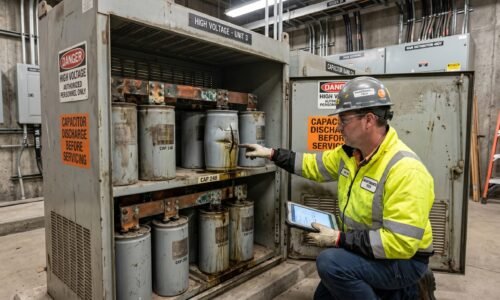
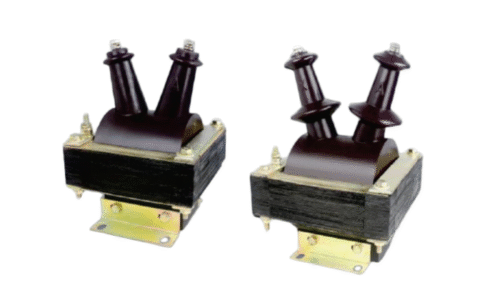
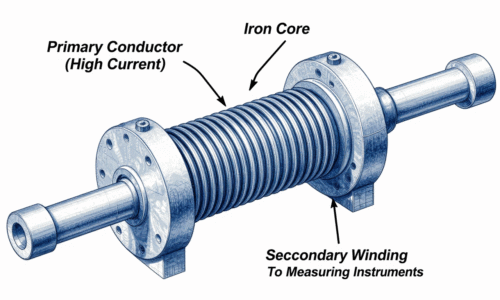
Choosing the correct capacitor contactor is not always as straightforward as it seems. In many systems, especially those involving reactive power compensation, the selection process is sometimes simplified at the beginning. It may work for a while, but over time, certain mismatches start to show up.
A capacitor contactor is designed for a specific purpose—switching capacitor banks under conditions that are quite different from general load switching. If the selection is not appropriate, the system may still operate, but performance may not be stable in the long run.
In practice, engineers often realize that choosing the right capacitor contactor is less about specifications on paper and more about how the system behaves over time. That includes switching frequency, load variation, and even environmental conditions, which are not always considered in the initial stage.
Table of Contents
Why Choosing the Right Capacitor Contactor Matters
Impact on System Stability
A properly selected capacitor contactor helps maintain stable operation in systems that rely on reactive power compensation.
If the selection is not suitable:
- Switching may become inconsistent
- Contacts may wear faster than expected
- Capacitor banks may not operate efficiently
These issues are not always immediate, but they tend to appear after repeated operation cycles.
Long-Term Performance Considerations
In some systems, everything appears normal at first. However, after extended operation:
- Maintenance frequency increases
- Equipment lifespan shortens
- Unexpected failures occur
This is why choosing capacitor contactor for power systems is usually considered a long-term decision rather than a short-term requirement.
Key Factors When Choosing Capacitor Contactor
Rated Voltage and System Compatibility
The first factor is system voltage. The capacitor contactor must match the voltage level of the installation.
Generally, selection falls into:
- Low voltage applications
- High voltage applications
For example:
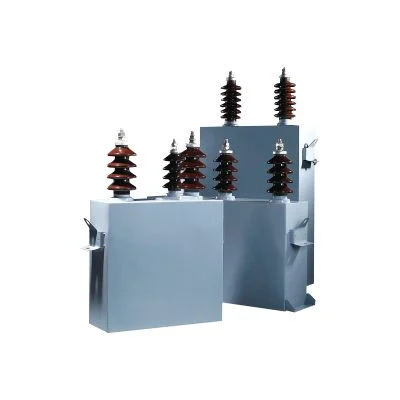
- Low Voltage Capacitor Contactor is suitable for distribution panels
- High Voltage Capacitor Contactor is used in larger-scale power networks
Using the wrong voltage class may not cause immediate failure, but performance can be affected over time.
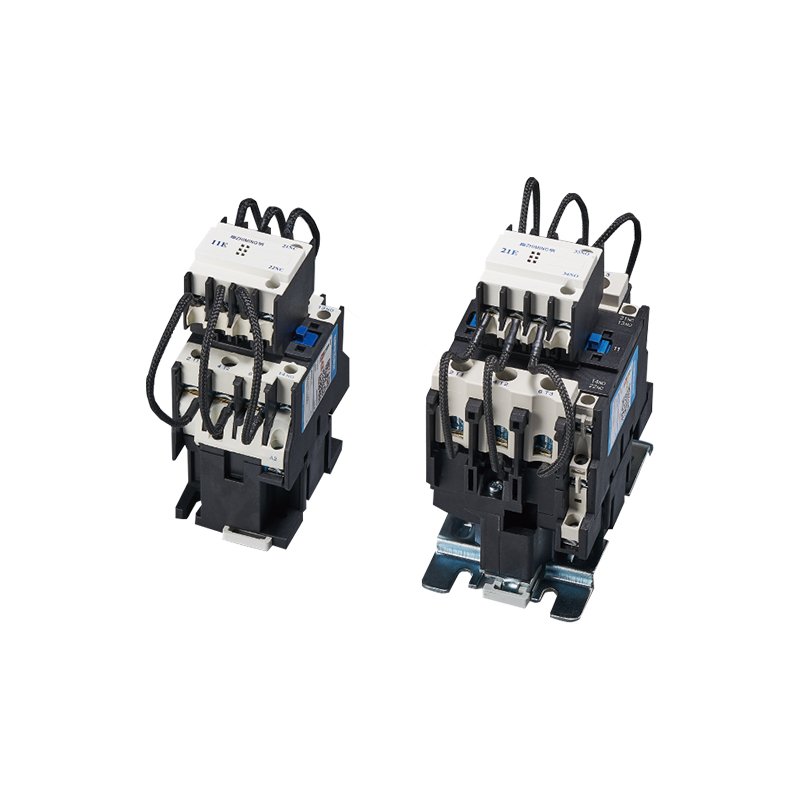
Capacitor Bank Size and Current Rating
The size of the capacitor bank determines the required current rating.
When selecting a capacitor contactor, it is important to consider:
- Rated current of the capacitor bank
- Possible inrush current levels
- Switching frequency
In many cases, underestimating current requirements leads to reduced lifespan of the contactor.
Switching Frequency
Switching frequency is often overlooked, but it plays a significant role.
Systems with frequent switching require a capacitor contactor that can handle repeated operations without degradation.
Typical scenarios include:
- Automatic power factor correction systems
- Industrial facilities with variable loads
In these environments, switching may occur multiple times per hour.
Inrush Current Handling Capability
One of the most important aspects of a capacitor contactor is its ability to handle inrush current.
When capacitors are energized, current spikes can be several times higher than normal operating current.
A suitable capacitor contactor should include:
- Pre-charge resistors
- Auxiliary contacts
- Controlled switching sequence
This reduces stress on both the contactor and the capacitor bank.
Types of Capacitor Contactor and Selection
Standard vs Specialized Designs
Not all capacitor contactors are identical. Some are designed for general use, while others are optimized for specific conditions.
For example:
- Capacitor Contactor is commonly used in standard reactive power systems
- High Voltage Capacitor Contactor is used where higher voltage stability is required
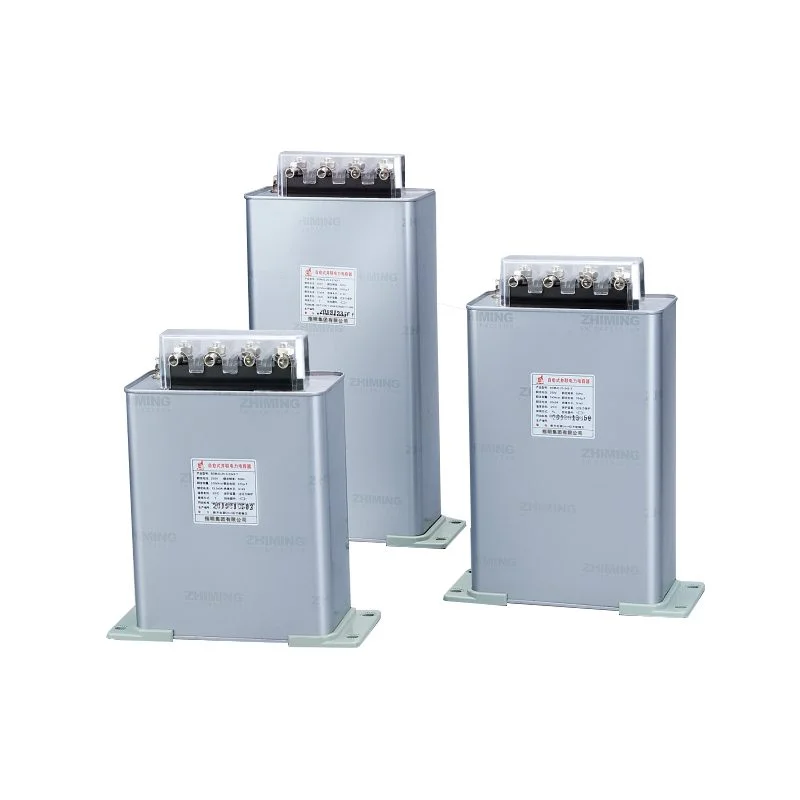
- Low Voltage Capacitor Contactor is more common in smaller installations
Selection Based on Application
Different applications require different approaches:
- Industrial plants → frequent switching, higher durability needed
- Commercial buildings → moderate switching
- Energy systems → variable load conditions
Selecting the right capacitor contactor for reactive power compensation depends on these practical conditions rather than just technical specifications.
Comparison of Selection Criteria
| Factor | Why It Matters | Impact if Ignored |
|---|---|---|
| Voltage rating | Ensures compatibility | Reduced performance |
| Current capacity | Handles load demand | Overheating or failure |
| Switching frequency | Determines durability | Short lifespan |
| Inrush control | Protects equipment | Contact damage |
Common Mistakes When Choosing Capacitor Contactor
Underrating the Contactor
One common mistake is selecting a capacitor contactor with insufficient current rating.
This may not cause immediate failure, but over time:
- Contacts degrade faster
- Heat increases
- Performance becomes unstable
Ignoring Switching Conditions
Another issue is ignoring how often switching occurs.
A system that switches occasionally and one that switches frequently require different types of capacitor contactors.
Treating It Like a Standard Contactor
In some cases, a capacitor contactor is selected in the same way as a standard contactor.
This approach may overlook:
- Inrush current behavior
- Capacitive load characteristics
- Long-term switching stress
Practical Selection Steps
In real-world situations, selection often follows a simple process:
- Identify system voltage
- Determine capacitor bank size
- Evaluate switching frequency
- Check inrush current requirements
- Match with suitable capacitor contactor
This process is not always strictly followed, but it provides a reasonable starting point.
Integration with Reactive Power Systems
A capacitor contactor usually works together with control systems.
For example:
- Controllers determine when compensation is needed
- The contactor performs switching
This coordination allows:
- Stable reactive power adjustment
- Automated system operation
- Improved efficiency
Additional Practical Observations
In some installations, the importance of selecting the correct capacitor contactor becomes more noticeable only after extended operation. At the beginning, differences between models may seem minimal.
However, as switching cycles increase, small performance differences begin to accumulate. Systems that require frequent reactive power adjustment tend to place more stress on switching devices than expected.
In these situations, even slight improvements in contactor design can lead to more stable long-term operation. This is why, in practice, selection decisions are sometimes revised after initial deployment.
Conclusion
Choosing the correct capacitor contactor is not only about matching specifications. It involves understanding how the system operates over time, including switching frequency, load variation, and reactive power requirements.
While a basic selection may work initially, a properly chosen capacitor contactor provides better reliability, longer lifespan, and more stable system performance. In systems where capacitor banks are switched frequently, this difference becomes increasingly important.
FAQ
Can a higher-rated capacitor contactor improve system performance?
Not necessarily. Oversizing may increase cost without significant performance benefits if system conditions do not require it.
Is temperature an important factor in selection?
Yes, environmental conditions such as temperature can affect contactor performance and lifespan.
Can capacitor contactors be used in automated systems?
Yes, they are commonly used in automated reactive power compensation systems for continuous operation.