Ask an engineer what is the most common current transformer, and the answer often depends on the voltage they work with every day. Someone in a substation will name one type. A panel builder will name another. An electrician doing retrofits might pick something else entirely.
The question is simple, but the answer is not a single model number. There is a general type that appears more often than others across the entire industry. This article looks at that type, explains why it dominates, and shows how to choose the right current transformer.
Table of Contents
Understanding the Most Common Current Transformer
Before listing the contenders, it helps to know what makes a current transformer common in the first place.
What Defines a Common Current Transformer
A current transformer becomes common for several reasons. It fits a wide range of applications. It is affordable. It is easy to install. Electricians know how to wire it without reading a manual every time.
The Contenders for Most Common Current Transformer
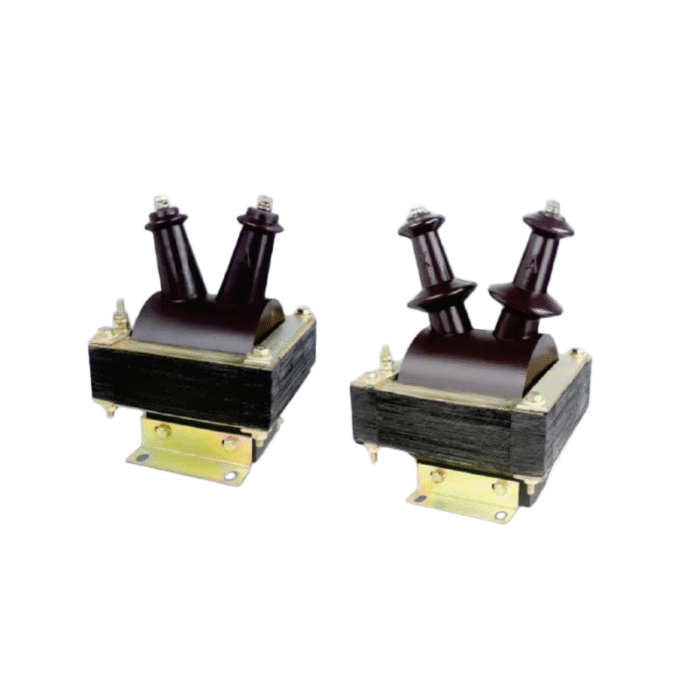
Several current transformer types appear regularly:
- Wound current transformer (primary winding included)
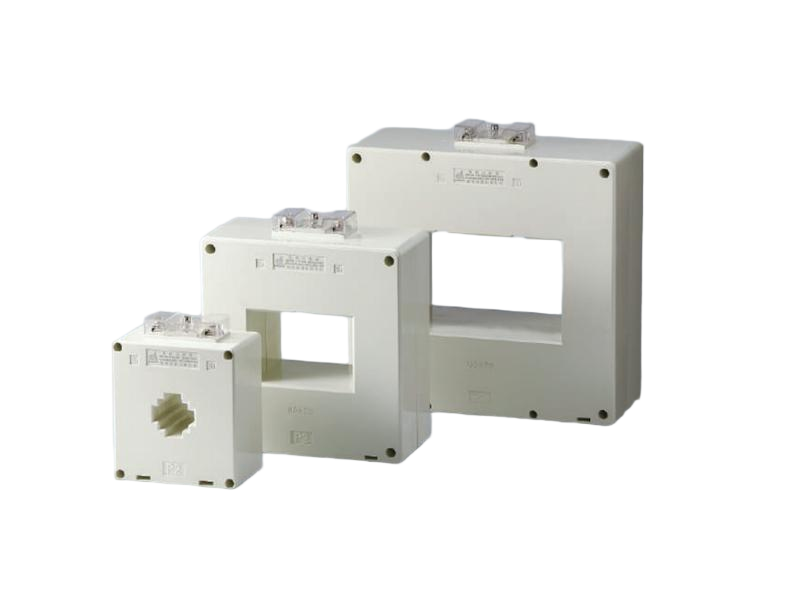
- Window current transformer (also called through-type or donut)
- Bar current transformer (solid primary bar)
- Split-core current transformer (for retrofits)
- Zero sequence current transformer (for ground fault detection)
Among these, one current transformer design appears more often than others across all voltage levels.
The Most Common Type: Window Current Transformer
The most common current transformer in low and medium voltage systems is the window current transformer (also called the through-type or donut type).
Why Window Current Transformer Dominates
The window current transformer is simple. It has no primary winding built into the unit. The primary conductor simply passes through the opening in the center. That single feature makes this current transformer incredibly versatile.
One engineer explained it this way: you can use the same window current transformer for a 50A circuit or a 500A circuit, just by changing how many times the conductor passes through. One pass for higher current, two or more passes for lower current. That flexibility is hard to beat.
Where You See Window Current Transformers
Walk into any industrial control panel. Look at the metering section. You will see small, donut-shaped devices clamped around busbars or cables. Those are window current transformers. Utility metering cabinets use them. Generator paralleling switchgear uses them. Building automation systems use them.
Voltage Ratings for Window Current Transformers
Window current transformers are available for both low voltage (600V and below) and medium voltage (5kV to 35kV) systems. A Low Voltage Current Transformer of the window type is the most common device found in panel-mounted metering. For outdoor substations, a High Voltage Current Transformer often uses window construction as well.

Other Common Types of Current Transformers
While the window current transformer is the most common overall, other current transformer designs dominate in specific niches.
Wound Current Transformer
The wound current transformer has a primary winding built into the device. This current transformer is used when the primary current is relatively low, typically below 100A. Wound current transformers are common in motor control centers and smaller feeders.
Unlike the window current transformer, a wound current transformer does not rely on a single pass of the primary conductor. Instead, it has multiple primary turns internally. This design provides better accuracy at low currents.
Bar Current Transformer
The bar current transformer has a solid primary bar that passes through the housing. The bar becomes part of the primary circuit. Bar current transformers are common in switchgear and substations where primary currents are high, often above 1000A.
A bar current transformer is more rugged than a window current transformer. It can handle higher mechanical stresses. However, it is less flexible and more expensive.
Split-Core Current Transformer
The split-core current transformer opens like a hinge. This current transformer can be installed around an existing conductor without disconnecting the cable. Split-core current transformers are very common in retrofit and energy monitoring applications.
The main advantage of a split-core current transformer is ease of installation. The trade-off is slightly lower accuracy compared to solid-core current transformer types.
Zero Sequence Current Transformer
The Zero Sequence Current Transformer is used for ground fault detection. All three phase conductors pass through the same core of this current transformer. Under normal balanced conditions, the net current is near zero. When a ground fault occurs, the imbalance is detected.
A Zero Sequence Current Transformer is different from other current transformer types. It does not measure individual phase currents. Instead, it measures the sum of all three phases.
Comparison of Current Transformer Types
The table below summarizes the key differences between common current transformer types.
| Type | Primary Conductor | Best For | Commonality |
|---|---|---|---|
| Window current transformer | Passes through opening | General purpose, new construction | Most common |
| Wound current transformer | Internal winding | Low current circuits (under 100A) | Niche |
| Bar current transformer | Solid bar through core | High current (over 1000A) | Niche |
| Split-core current transformer | Clamps around cable | Retrofits, existing panels | Common in retrofits |
| Zero sequence current transformer | All three phases through core | Ground fault detection | Specialized |
How to Choose the Right Current Transformer
Selecting a current transformer is not difficult, but skipping steps leads to problems.
Match the Application
First, know where the current transformer will be installed. Indoor panel? Outdoor substation? Retrofit or new construction? The answers narrow the options.
Determine Primary Current
The primary current rating should be higher than the maximum expected load, but not too high. A good rule is to select a rating 20% to 50% above the expected maximum load.
Choose the Current Transformer Type
- For new panels and general purpose: window current transformer
- For low current circuits (below 100A): wound current transformer
- For high current switchgear (above 1000A): bar current transformer
- For retrofitting existing cables: split-core current transformer
- For ground fault detection: Zero Sequence Current Transformer
Verify the Burden
Every current transformer has a burden rating in VA. The connected meters, relays, and wiring must not exceed this rating. Long cable runs increase the burden on a current transformer.
Common Mistakes When Selecting a Current Transformer
Wrong Ratio on a Current Transformer
Using a current transformer with a ratio that is too high or too low causes inaccurate readings. Always match the current transformer ratio to the primary current.
Ignoring Burden on a Current Transformer
Selecting a current transformer without checking the burden is a common error. Overloading a current transformer causes saturation and errors.
Wrong Current Transformer Type for the Installation
Using a solid-core current transformer for a retrofit job is not always practical. Split-core current transformers are much easier for existing installations, though they are slightly less accurate than solid-core current transformers.
Practical Examples of Current Transformer Selection
New Industrial Panel with a Current Transformer
A new motor control center needs metering on a 200A feeder. The engineer selects a window current transformer with a 200:5 ratio.
Retrofit Energy Monitoring with Split-Core Current Transformers
An existing building needs sub-metering. The electrician selects split-core current transformers that clamp around existing cables without disconnecting anything.
Ground Fault Protection with a Zero Sequence Current Transformer
A commercial building needs ground fault protection. The engineer selects a Zero Sequence Current Transformer. All three phase conductors pass through the core of this current transformer.
Conclusion on Current Transformer Types
The most common current transformer overall is the window current transformer. Its simple construction, flexibility, and wide availability make it the first choice for most low and medium voltage applications.
However, “most common” depends on the application. For low current circuits, the wound current transformer is common. For high current switchgear, the bar current transformer is common. For retrofits, the split-core current transformer is common. For ground fault detection, the Zero Sequence Current Transformer is the standard choice.
If you want to know more about Current Transformer, please read How to check if current transformer is working or not.
FAQ
Why is the window current transformer considered the most common overall?
The window current transformer is used in more applications than any other current transformer design. It works for both low and medium voltage. It is affordable and easy to install. No other current transformer type appears in as many different places.
When should I choose a split-core current transformer instead of a solid-core current transformer?
Split-core current transformers are the right choice when the primary conductor cannot be disconnected. In retrofit projects, shutting down a panel may be impossible. A split-core current transformer clamps around the cable without interrupting service.
What is the difference between a standard current transformer and a zero sequence current transformer?
A standard current transformer monitors one phase. A Zero Sequence Current Transformer surrounds all three phases. Under balanced conditions, the net current is near zero. A ground fault creates imbalance that this current transformer detects.