In many power systems, the capacitor contactor is present but not always given much attention. It is often grouped together with general switching devices, even though its function is quite specific. In some cases, everything seems to work fine at the beginning, so the difference between a standard contactor and a capacitor contactor is not immediately obvious.
However, after a period of operation—especially in systems where capacitor banks are switched frequently—certain patterns begin to appear. Contacts may wear faster, switching becomes slightly less stable, and maintenance intervals shorten. These changes are usually gradual rather than sudden, which is why they are sometimes overlooked at first.
The main use of a capacitor contactor becomes clearer in these situations. It is designed to handle the specific conditions associated with capacitor switching, particularly high inrush currents and repeated operations in reactive power compensation systems.
Table of Contents
What Is a Capacitor Contactor
Basic Definition
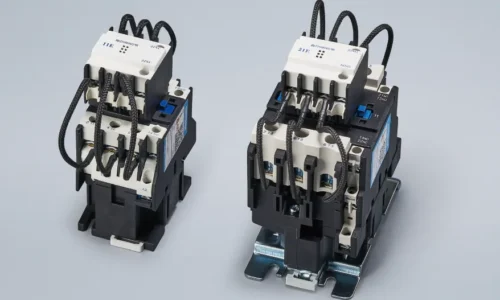
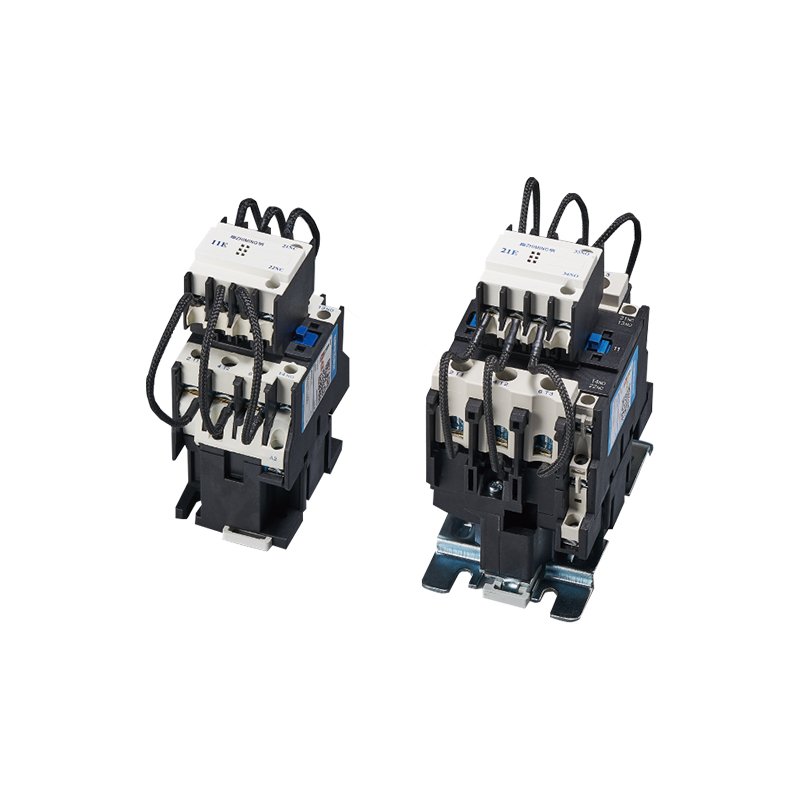
A capacitor contactor is a switching device developed specifically for connecting and disconnecting capacitor banks. Compared to standard contactors, it is built to manage the electrical characteristics of capacitive loads.
When a capacitor is energized, the initial current surge can be significantly higher than normal operating current. A capacitor contactor is designed to deal with this condition more effectively.
In a simple sense, it performs the same basic function as a contactor, but under more demanding switching conditions.
Why Standard Capacitor Contactors Are Not Ideal
In smaller systems or early-stage installations, standard contactors are sometimes used for capacitor switching. It can work for a while, especially if switching frequency is low.
But over time, certain issues tend to develop:
- Contact surfaces may degrade faster
- Heat buildup becomes more noticeable
- Switching reliability may vary slightly
- Unexpected failures can occur during peak operation
These effects are not always immediate. They build up gradually. This is why capacitor contactor applications in power systems are generally preferred when long-term reliability is required.
The Main Use of Capacitor Contactor
Safe Switching of Capacitor Banks
The most direct use of a capacitor contactor is to switch capacitor banks safely.
When capacitors are connected to the system, a high inrush current occurs. Without proper control, this can place stress on both the switching device and the capacitor itself.
A capacitor contactor helps by:
- Reducing the impact of inrush current
- Protecting internal contacts
- Allowing repeated switching without rapid wear
This may not seem critical in a single operation, but in systems with frequent switching, the difference becomes more noticeable over time.
Supporting Reactive Power Compensation
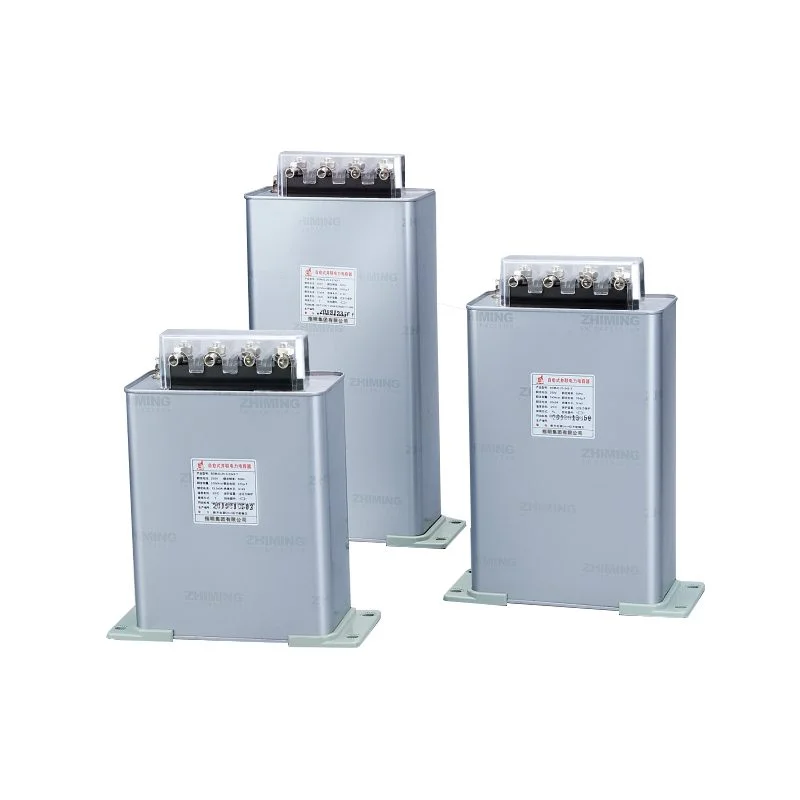
In many systems, capacitor banks are used to manage reactive power and improve power factor. This requires regular switching based on system conditions.
A capacitor contactor supports this process by providing:
- Stable switching performance
- Consistent response during load changes
- Reliable operation under repeated cycles
In practical situations, especially in industrial environments, this contributes to smoother system behavior.
Reducing Long-Term Equipment Stress
Another use of a capacitor contactor is less visible but still important—it helps reduce long-term stress on system components.
Without it:
- Capacitors may age faster
- Switching devices may fail earlier
- Maintenance becomes less predictable
These effects are not always dramatic, but they tend to accumulate over time.
How Capacitor Contactor Works
Pre-Charge Mechanism
One of the key features of a capacitor contactor is the pre-charge mechanism.
Before the main contacts close, current is allowed to flow through resistors. This reduces the initial current surge.
The process generally follows this sequence:
- Auxiliary contacts close first
- Current flows through resistors
- Main contacts close
- Capacitor is fully connected
This happens quickly, often without being noticed during normal operation.
Switching Behavior in Practice
In real systems, switching does not always happen under ideal conditions. Load variations, voltage fluctuations, and timing differences can all affect performance.
A capacitor contactor is designed to handle these variations more consistently than a standard capacitor contactor, although actual performance still depends on system design.
Types of Capacitor Contactor
Based on Voltage Level
Capacitor contactors are generally divided into:
- Low voltage capacitor contactors
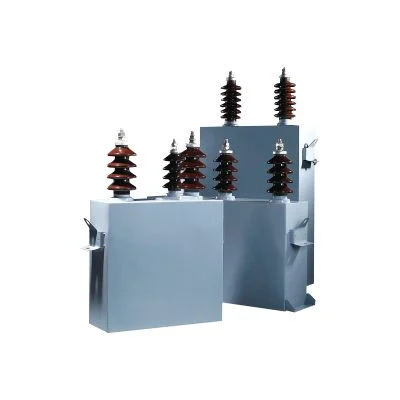
- High voltage capacitor contactors
The selection depends on system requirements. Using an unsuitable type may not cause immediate failure, but performance may not be optimal.
Typical Product Options
For example:
- Capacitor Contactor is used in general reactive power systems
- High Voltage Capacitor Contactor is applied in larger-scale networks
- Low Voltage Capacitor Contactor is commonly used in distribution panels
These options allow flexibility depending on application needs.
Capacitor Contactor vs Standard Contactor
Comparison Table
| Feature | Capacitor Contactor | Standard Contactor |
|---|---|---|
| Inrush Current Handling | Designed for high | Limited |
| Switching Stability | More consistent | May vary |
| Lifespan (capacitor use) | Longer | Shorter |
| Protection Features | Yes | Minimal |
Practical Differences
In practice:
- A standard contactor may perform adequately at first
- Over time, performance tends to decline
- Maintenance frequency increases
Because of this, using a capacitor contactor in reactive power systems is often more about long-term stability than short-term functionality.
Benefits of Using Capacitor Contactor
Key Advantages
A capacitor contactor provides:
- Better control of inrush current
- More stable switching over time
- Reduced equipment wear
- Lower maintenance requirements
These benefits are often gradual, rather than immediately visible.
Common Applications
Capacitor contactors are widely used in:
- Power factor correction panels
- Industrial facilities
- Commercial buildings
- Systems with fluctuating loads
In these environments, reliable switching plays an important role in managing reactive power.
Integration with Control Systems
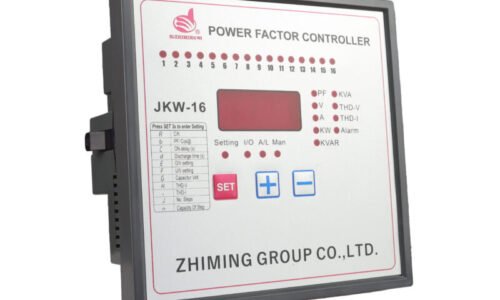
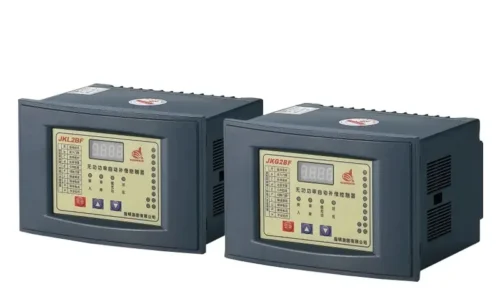
In most systems, capacitor contactors work together with controllers.
For example:
- Reactive Power Compensation Controller determines when switching is required
- The contactor performs the switching action
This coordination allows:
- Automated operation
- More stable reactive power control
- Reduced manual intervention
Additional Practical Considerations
In some real installations, the importance of a capacitor contactor becomes clearer only after extended operation. At the beginning, differences between switching devices may not be obvious, especially if switching frequency is relatively low.
However, as operating cycles increase, small performance differences begin to accumulate. Systems that require frequent reactive power adjustment tend to place more stress on switching devices than expected.
In these situations, even minor improvements in switching behavior can have a noticeable impact over time. A capacitor contactor is not a complex component, but it often performs more consistently under repeated use. This is one reason why many systems gradually adopt dedicated capacitor switching solutions.
Conclusion
The main use of a capacitor contactor is to ensure safe and reliable switching of capacitor banks in systems that manage reactive power. While it may appear to be a simple component, its role becomes more important as system complexity and switching frequency increase.
In many cases, the difference between using a standard contactor and a capacitor contactor is not immediately visible. But over time, systems equipped with proper capacitor contactors tend to show better stability, fewer failures, and more predictable maintenance requirements.
FAQ
Can a capacitor contactor be used in low-frequency switching systems?
Yes, but its advantages are more noticeable in systems with frequent switching operations.
Does a capacitor contactor completely eliminate inrush current?
No, it reduces the impact but does not eliminate it entirely.
Is selection of capacitor contactor critical for system performance?
Yes, improper selection may affect reliability and long-term operation.