Table of Contents
The Heavy Reality of Industrial Electrical Loads and the Power Capacitor
Standing in a noisy, vibrating compressor room at a large manufacturing plant, the sheer amount of energy being consumed is almost palpable. The heavy, low-frequency hum of massive induction motors running at full tilt is a constant background presence. But those motors are incredibly demanding. To keep their internal magnetic fields magnetized and spinning, they have to pull a massive amount of reactive current directly from the utility grid.
When a facility draws too much of this specific type of non-working energy, the electrical efficiency of the entire building just tanks. The utility provider has to work significantly harder to push that inefficient power down the transmission lines (which causes massive strain on their transformers), and they inevitably pass that frustration onto the customer in the form of brutal penalty fees. This is exactly the scenario where a single piece of equipment—the power capacitor—becomes an absolute necessity to improve power factor and stop the financial bleeding.
How a Power Capacitor Actually Works to Improve Power Factor
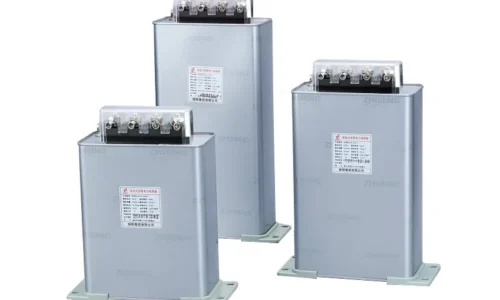
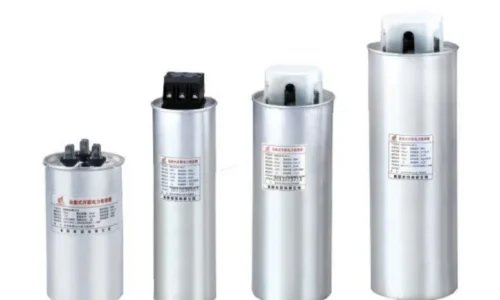
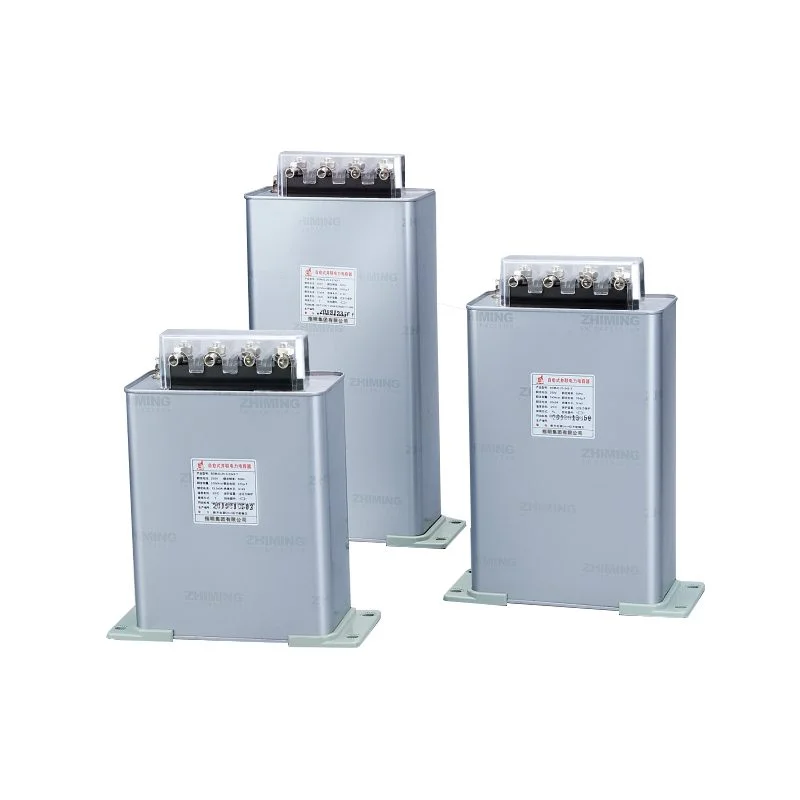
Looking at one of these devices sitting in an electrical room, it usually just looks like a grey metal box bolted to the wall or floor. There are no spinning gears or moving mechanical parts. But internally, a power capacitor is doing some heavy lifting. It essentially acts as a localized storage tank, or a short-term battery, for reactive electrical energy.
Instead of an induction motor pulling its required magnetic energy all the way from a power plant fifty miles away, the capacitor provides that reactive energy right there on the factory floor. This simple act of local generation does a few highly critical things for a facility:
It immediately relieves the thermal stress on the building’s main incoming utility transformer.
It significantly reduces the amount of wasted heat generated within the facility’s internal copper wiring.
It stops the utility meter from logging excess reactive power, which pretty much eliminates those frustrating monthly low-efficiency fines.
By acting as a counterweight to the lagging current of heavy machinery, the unit smoothly balances out the electrical draw.
Comparing Different Power Capacitor Configurations to Improve Power Factor
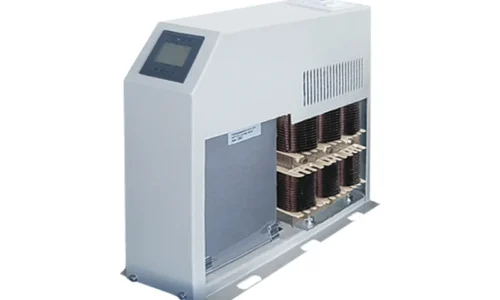
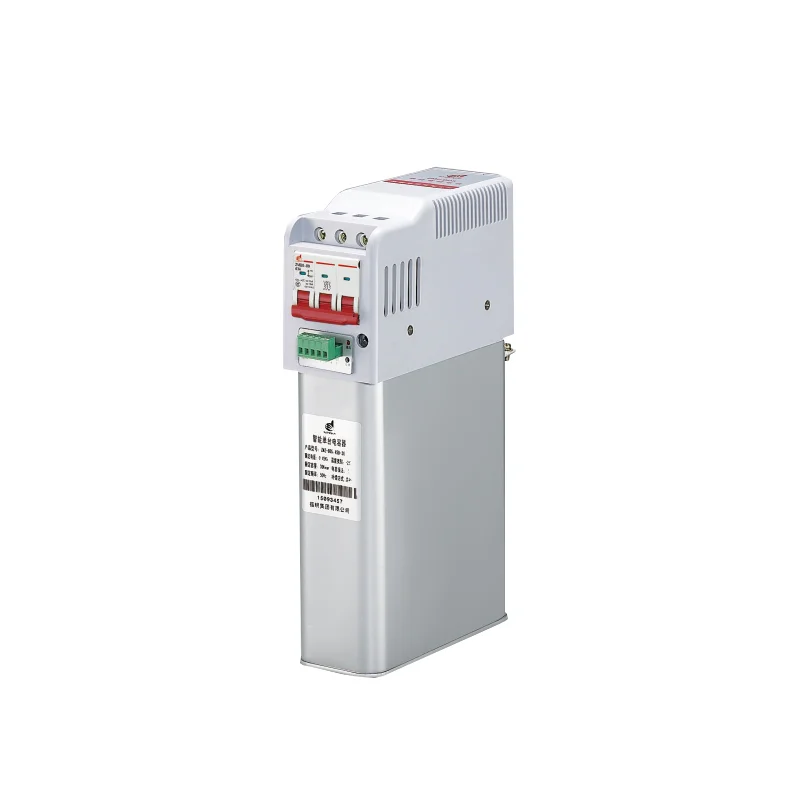
It is definitely not a one-size-fits-all situation when it comes to upgrading electrical infrastructure. You can’t really just buy the cheapest unit out of an industrial catalog and hope for the best, especially when deploying an integration low-voltage power capacitor designed for stable and efficient reactive power compensation. Depending on how erratic the factory’s power demand is throughout a normal Tuesday, different setups are required.
The Usual Headaches When Installing a Power Capacitor to Improve Power Factor
Things do not always go smoothly during these types of electrical upgrades. It is surprisingly common to see a company invest heavily in new equipment, only to realize a few months later that the utility penalties haven’t actually disappeared. Getting the engineering perfectly right takes a bit of patience and field experience.
There is a familiar sequence of missteps that tends to happen when trying to improve power factor:
Guessing the required capacity based on a single old electric bill, instead of actually measuring the live electrical load with a proper power analyzer.
Completely ignoring the presence of harmonic distortion in the building. (If a standard power capacitor is forced to absorb too much “dirty” electrical noise, it basically cooks itself from the inside out in a matter of months).
Placing the unit too far away from the actual heavy machinery, which sort of defeats the entire purpose of localized reactive power support.
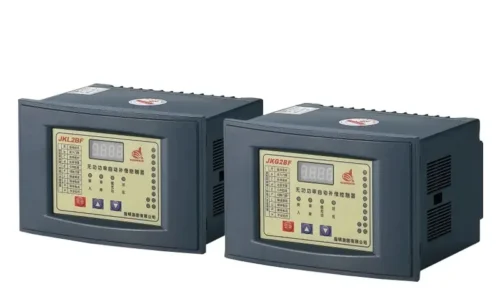
Forgetting to calibrate the automatic controller, causing the system to wildly overcorrect and send dangerous voltage spikes through the building.
FAQ
Does a power capacitor reduce the actual electricity consumed by a motor?
Not exactly, which is a very common misconception. It doesn’t change the actual mechanical work (measured in kilowatts) that the motor performs to move a conveyor belt or pump fluid. What it does is clean up the reactive power (measured in kVAR), which makes the overall electrical system far more efficient and stops the utility company from charging extra fees.
How long does one of these industrial units typically last?
Under normal, relatively clean electrical conditions, a well-built power capacitor might last somewhere between ten and fifteen years. However, if the electrical room is incredibly hot, poorly ventilated, or absolutely full of harmonic electrical noise, that lifespan can easily drop to just three or four years before the internal elements degrade completely.
Can a power capacitor explode if something goes terribly wrong?
It is rare, but yes, it can technically happen. If the unit is subjected to extreme overvoltage or severe harmonic resonance, the internal pressure can build up rapidly. Most modern units have a built-in, pressure-sensitive disconnect switch that breaks the circuit to prevent a catastrophic rupture. Even with safeties in place, they can still fail rather dramatically, occasionally leaving a messy, oily situation behind in the electrical cabinet.