Table of Contents
The Reality of Dealing with Power Factor Correction on the Factory Floor
Walking through a sprawling manufacturing plant, the deep, vibrating hum of heavy electrical equipment is pretty much impossible to miss. That constant background noise usually indicates massive induction motors are running hard. Which unfortunately means they are pulling a huge amount of reactive power directly from the grid just to function. When a facility draws too much of this non-working energy (power that just swirls around in the lines sustaining magnetic fields but doing no actual physical work), the overall electrical efficiency sort of plummets.
Utility companies notice this drop in efficiency immediately. And they almost always tack on hefty penalty fees on the monthly power bill because of it.
To stop bleeding money on utility fines, facilities eventually have to fix the electrical lag. Implementing power factor correction is essentially a mandatory survival tactic for heavy industry today. But fixing the issue isn’t just about flipping a magical switch somewhere in a back control room; it requires installing specific, heavily engineered hardware that acts as a local generator for that missing reactive energy.

Primary Equipment Relied Upon for Power Factor Correction
When looking at the actual hardware bolted to the factory floor or tucked away in a dusty electrical room, there are usually a few usual suspects. The type of gear chosen depends almost entirely on how erratic the facility’s power draw happens to be on any given day.
Standard Capacitor Banks
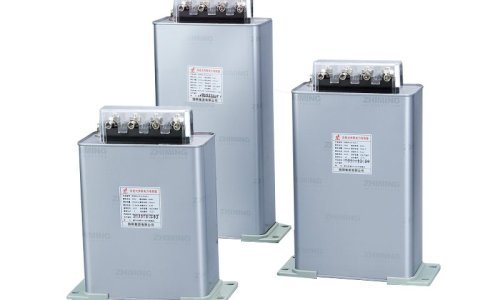
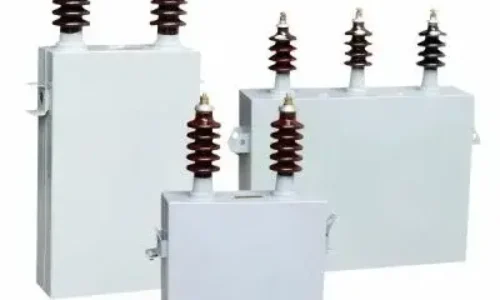
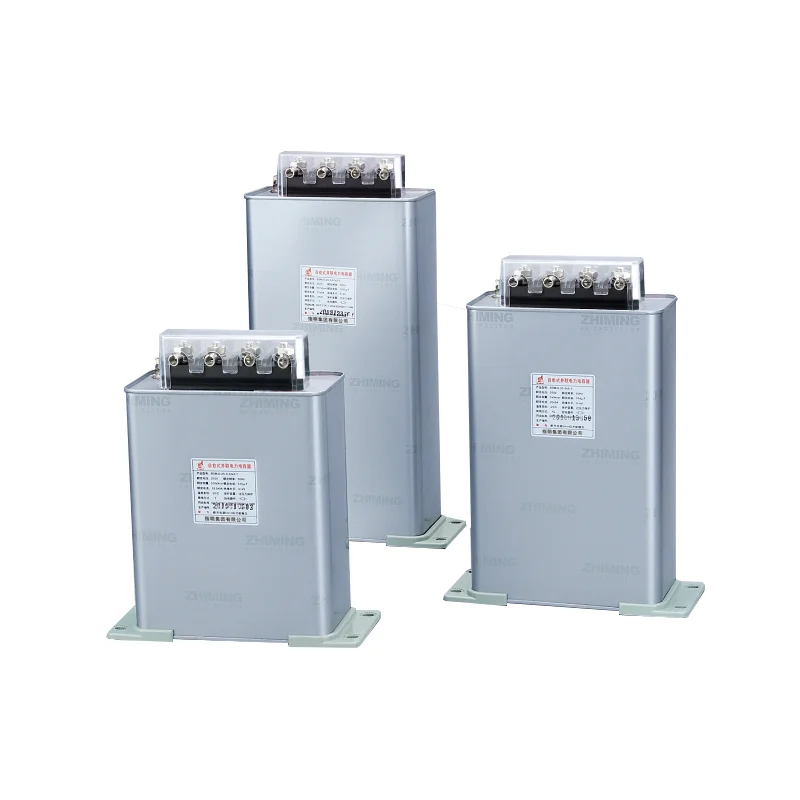
Capacitors are basically the undisputed heavyweights of the power factor correction world. They are relatively straightforward, static devices that store and release electrical energy, specifically providing the leading reactive power needed to cancel out the lagging power caused by large spinning motors.
It is quite common to see capacitors deployed in a few different ways across an industrial site:
Tied directly to a single large motor so they switch on exactly when that specific motor does.
Clustered together in a massive fixed bank right at the main electrical intake.
Configured as an automatic switched bank that relies on a smart controller to add or remove capacity as factory loads shift throughout the day.
Automatic banks are usually the smartest route for places where machinery is constantly cycling on and off.
Synchronous Condensers
Sometimes, standard static capacitors just aren’t robust enough. In massive, heavy-duty setups or at the actual utility grid level, synchronous condensers step in. These are actually large, spinning motors that don’t drive any physical mechanical load at all. Instead, their internal excitation field is tweaked to either produce or absorb reactive power. They are incredibly tough and can handle severe voltage dips (which would normally knock a regular capacitor bank completely offline), but they are undeniably expensive to install and maintain.
Handling Modern Messes with Power Factor Correction Devices
Modern factories are filled with variable frequency drives, automated robotics, and advanced LED lighting grids. While great for overall energy savings, this modern equipment creates a truly messy electrical environment filled with harmonic distortion. It is just electrical noise, really.
Active Filters and SVCs
If standard capacitors are dropped into a highly distorted, noisy electrical environment, they tend to overheat quickly. In really bad cases, they can actually resonate with the harmonics and physically fail or rupture. To handle this modern chaos, facilities often rely on active harmonic filters or Static VAR Compensators. These are highly advanced, solid-state systems that inject exact, customized electrical waveforms into the grid to cancel out the noise and handle power factor correction simultaneously. They are basically high-tech electrical scrubbers, making them much more of a necessity today than they were twenty years ago.
Comparing Power Factor Correction Hardware Options
Selecting the right hardware is often a stressful balancing act between the upfront budget and long-term reliability. Here is how the typical equipment options generally stack up against one another out in the field:
Equipment Type | Initial Cost | Maintenance Level | Best Suited For | |
Fixed Capacitors | Very Low | Minimal | Steady, unchanging electrical loads | |
Automatic Capacitors | Moderate | Low to Moderate | Variable loads in clean electrical environments | |
Synchronous Condensers | Very High | Quite High | Massive, highly volatile industrial grids | |
Active Filters | High | Low | Facilities plagued by heavy harmonic electrical noise |
Common Pitfalls When Sizing Power Factor Correction Gear
It is surprisingly common to see facilities purchase expensive hardware, only to realize a few months later that the utility penalties haven’t actually disappeared at all. Getting the engineering right takes a bit of patience.
There is a familiar sequence of mistakes that tends to happen during these upgrades:
Skipping a proper baseline electrical audit and just guessing the required capacity based on a single old utility bill.
Completely ignoring the presence of harmonic distortion, which eventually fries the newly installed standard capacitors.
Forgetting to calibrate the automatic controller correctly, leading to wild swings of overcorrection and undercorrection.
Neglecting routine visual inspections, just sort of assuming the equipment will run flawlessly in a dusty factory for twenty years without being touched.
If you want to know more about power factor correction device, please read Power Factor Correction Device for Industrial Building Applications.
FAQ
What exactly happens inside a capacitor during power factor correction?
A capacitor acts somewhat like a localized battery for reactive energy. Instead of the heavy machinery pulling that reactive current all the way from the utility power plant miles away, the capacitor provides it right on the factory floor. This relieves stress on the internal wiring and stops the utility meter from spinning unnecessarily fast.
Can residential homes benefit from this kind of equipment?
Not really, to be totally honest. Residential homes use a tiny fraction of the inductive loads seen in factories, and utility companies do not typically charge homeowners penalties for poor reactive power. The cost of the equipment would vastly outweigh any minuscule, almost unnoticeable savings on a typical home electric bill.
How is it obvious when power factor correction equipment is starting to fail?
There are usually a few distinct physical signs if one knows what to look for. Capacitors might physically bulge or swell at the metal casing. Electrical rooms might smell faintly of burning insulation or leaking dielectric fluid. Or, perhaps more commonly, the facility manager simply notices that those frustrating utility penalty fees have mysteriously returned to the monthly invoice.