Table of Contents
The Hidden Strain on Factory Grids and the Power Factor Correction Unit
Walking through a heavy manufacturing plant, there is usually a distinct, heavy vibration in the floor near the electrical rooms. That deep, low-frequency hum is the sound of massive induction motors, stamping presses, and conveyor belts pulling a tremendous amount of energy just to keep running. But interestingly, a large portion of that electrical draw isn’t actually doing any physical work at all. It is just reactive power, essentially an invisible energy that swirls around the wiring solely to maintain the magnetic fields inside those giant motors.
When a facility pulls way too much of this lagging current, the overall electrical efficiency of the building sort of just plummets. The utility providers absolutely hate this. It forces them to push more apparent power down the transmission lines, which heavily stresses their grid and local transformers. Because of this added strain, utility companies usually slap massive, unavoidable penalty fees on the factory’s monthly power bill. To stop bleeding thousands of dollars on these low-efficiency fines, installing a power factor correction unit becomes pretty much a mandatory survival tactic for modern industry.
How a Power Factor Correction Unit Actually Operates Behind the Scenes
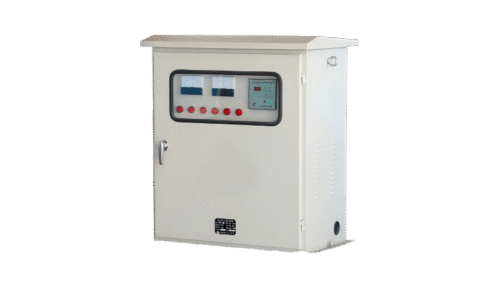
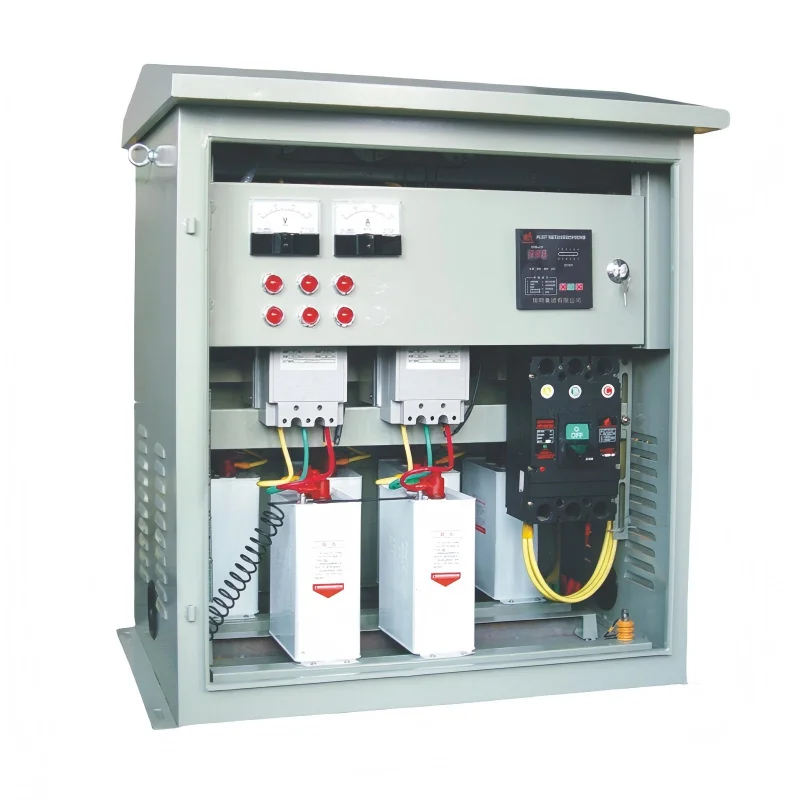
Standing in front of a power factor correction unit, it really just looks like a boring, oversized grey metal cabinet tucked away in a dusty corner. There are no spinning gears or obvious moving parts. But inside that cabinet, the hardware is doing some incredibly heavy lifting. It basically acts as a localized storage tank for that missing reactive energy. Instead of dragging that non-working current miles down the lines from a distant power plant, the equipment supplies it directly on the factory floor.
Inside the enclosure, there are usually a few critical components working quietly together:
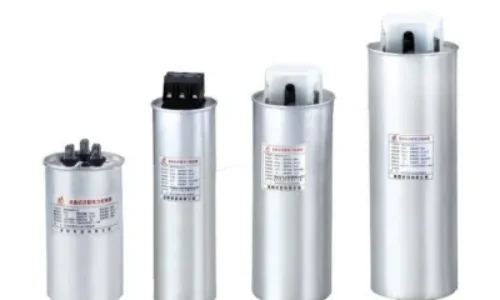
Heavy-duty industrial capacitors that physically store and release the reactive energy.
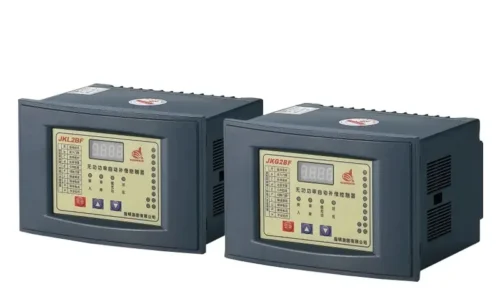
A smart microprocessor controller that constantly watches the facility’s shifting electrical load in real-time.
Magnetic contactors that physically snap open and shut (often making a loud clacking sound) to bring different stages of the system online.
Detuning reactors to filter out messy electrical noise and keep the equipment from overheating.
By acting as a counterweight to the heavy machinery, the equipment smoothly balances out the electrical draw, drastically reducing the heat generated in the building’s internal copper wiring.
Comparing the Types of Power Factor Correction Unit Hardware
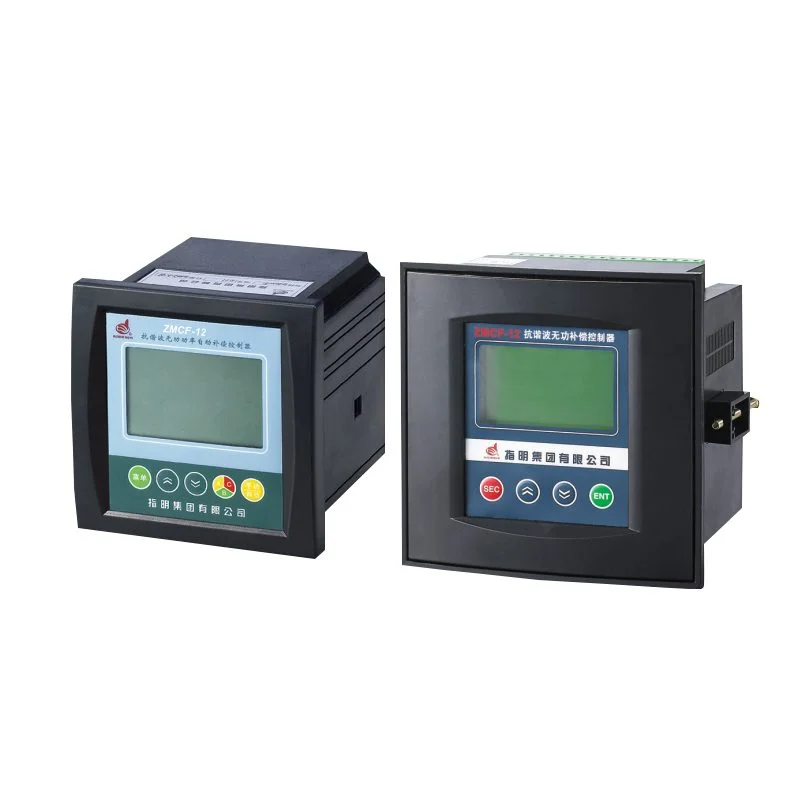
It is definitely not a situation where one size fits all when upgrading industrial power systems. Depending on how chaotic the factory’s power demand gets during a normal Tuesday afternoon shift, entirely different configurations are required. A basic power factor correction unit might just be a static box, while advanced setups rely on an automatic reactive power compensation capacitor harmonic controller to respond instantly to load changes and suppress harmonic interference. Others are highly dynamic, thinking machines.
Common Missteps When Sizing a Power Factor Correction Unit
Upgrading electrical infrastructure is rarely a perfectly smooth process. It is surprisingly common to see a company invest heavily in new equipment, only to realize a few months later that the utility penalties haven’t actually disappeared from the invoice at all. Getting the engineering perfectly right takes a bit of patience and field experience.
There is a highly familiar sequence of missteps that tends to happen during these upgrades:
Guessing the required equipment size based on a single old utility bill, instead of actually measuring the live electrical draw with a proper power analyzer.
Completely ignoring the presence of harmonic distortion in the building, which essentially cooks the newly installed capacitors from the inside out in just a few short months.
Placing the power factor correction unit way too far away from the actual heavy machinery, which sort of defeats the entire purpose of localized reactive power support.
Forgetting to properly calibrate the automatic controller during startup, causing the system to wildly overcorrect and send dangerous voltage spikes through the building.
FAQ
Does a power factor correction unit lower the actual energy consumed?
Not really, which is a fairly common misunderstanding out in the field. It doesn’t reduce the actual mechanical work (measured in kilowatts) needed to spin a motor or run a machine. It just cleans up the reactive power, making the overall electrical system far more efficient and stopping the utility company from charging extra fees.
How long does this type of electrical equipment typically last?
Under normal, relatively clean conditions, a solidly built power factor correction unit will generally last somewhere around ten to fifteen years. However, if the electrical room is sweltering hot, poorly ventilated, or absolutely filled with harmonic electrical noise, the internal elements can degrade completely in just three or four years.
Are these systems ever used in typical residential homes?
Almost never, to be completely honest. Residential homes simply do not use the massive inductive loads found in heavy manufacturing. Furthermore, utility companies do not typically penalize regular homeowners for poor reactive power, so the high cost of the equipment would vastly outweigh any minuscule, almost unnoticeable savings on a typical home electric bill.