Table of Contents
The Reality of Using a Power Factor Correction Device in Factories
Walking through a heavy manufacturing plant, there is a constant, almost physical hum of electrical equipment. Huge induction motors, stamping presses, and conveyor belts run around the clock. All this heavy machinery needs a magnetic field to operate, which unfortunately draws a massive amount of reactive power from the grid. When that happens, overall electrical efficiency drops. Utility companies inevitably notice this drop (and they almost always penalize the facility for it), which is exactly why installing a power factor correction device is pretty much a standard requirement in industrial settings today.
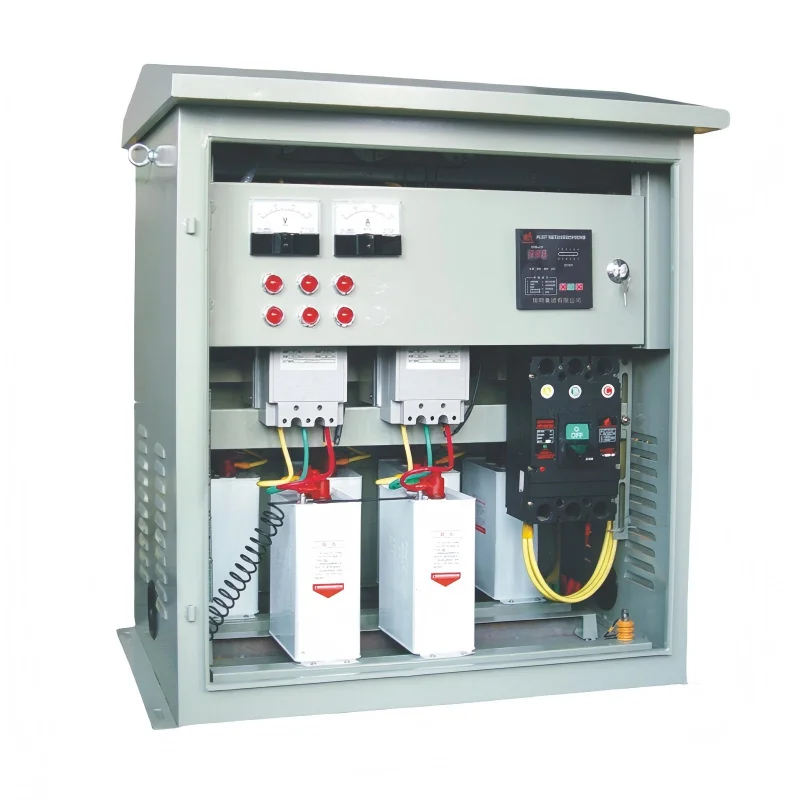
It is rather frustrating to see a massive power bill filled with reactive power charges. A power factor correction device acts as a local generator of reactive power right there on the factory floor. Instead of pulling that non-working power from the utility line—and paying a premium for the privilege—the equipment gets what it needs locally.
Why Industrial Loads Are So Demanding
Industrial environments are notoriously harsh on electrical systems. Induction motors are everywhere, and they naturally drag the system’s efficiency down. Add in the fact that many of these motors run partially loaded for hours at a time, and the electrical profile gets even worse. It is just the nature of heavy industry.
Choosing the Right Power Factor Correction Device for Heavy Duty Needs
Not all industrial setups are the same, and neither is the equipment used to fix their electrical inefficiencies. Selecting a power factor correction device usually depends heavily on the specific daily operations of the plant. Some places have a steady, unchanging draw of power, while others fluctuate wildly from minute to minute.
The type of machinery running typically dictates the solution. Facility managers usually have to look at a few different facility profiles:
Constant loads that rarely turn off (like large ventilation fans or continuous pumps)
Highly variable loads (such as automotive welding lines or large stamping presses)
Systems suffering from heavy harmonic distortion (usually facilities packed with variable frequency drives)
Fixed vs. Automatic Systems
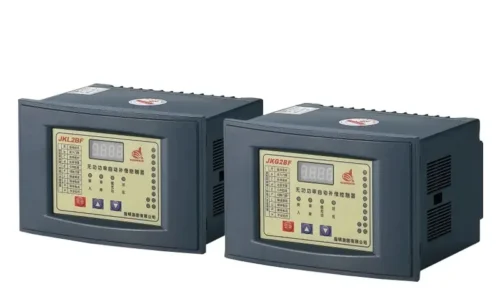
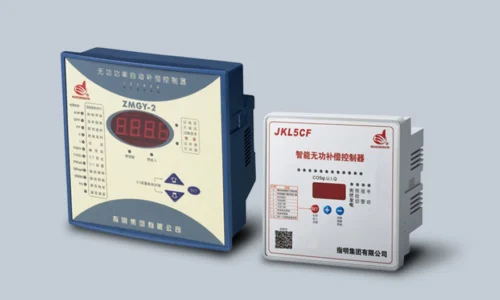
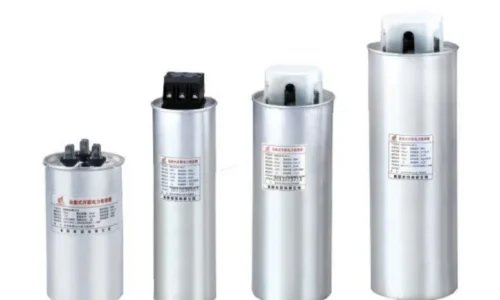
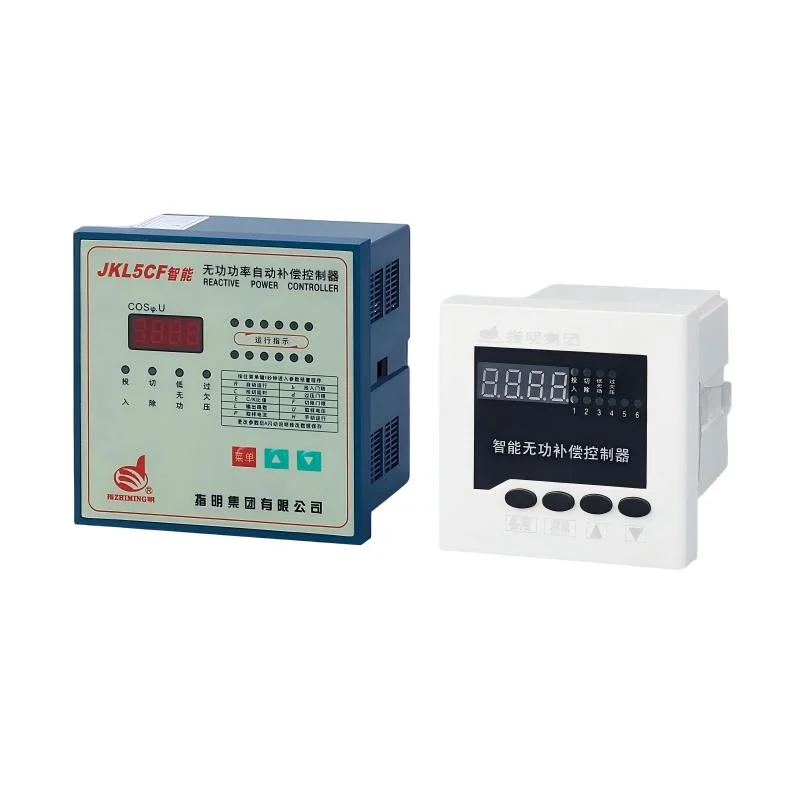
A standard fixed power factor correction device is simple, reliable, and just sits there providing a constant amount of reactive compensation. It works great for a motor that runs 24/7. However, for a factory where machines constantly cycle on and off, an automatic system makes more sense. These units monitor the electrical draw in real-time and switch internal capacitor banks in and out to match the exact requirement at any given moment.
Cost and Performance: Is a Power Factor Correction Device Worth It?
When looking at facility upgrades, the decision to install an industrial power factor correction device often comes down to pure mathematics. The upfront cost can seem a bit steep, especially for large automatic banks or systems equipped with harmonic filters. But the reality is that utility penalty fees add up surprisingly fast.
Here is a general look at how a facility’s electrical metrics shift before and after addressing the issue:
Electrical Metric | Before Installation | After Installation | Overall Impact |
Power Factor Ratio | 0.70 to 0.75 | 0.95 or higher | Highly improved |
Utility Penalties | Consistent monthly fees | Eliminated entirely | Direct financial savings |
System Capacity | Heavily burdened | Freed up significantly | Allows adding new machinery |
Equipment Heat | Running excessively hot | Normal temperatures | Longer lifespan for cables |
Looking at those shifts, the payback period for this kind of hardware is frequently less than two years. It is one of the few electrical upgrades that genuinely pays for itself in a highly visible way.
Common Pitfalls When Sizing a Power Factor Correction Device
FAQ
What exactly does an industrial power factor correction device do?
It supplies reactive power locally to heavy machinery like motors and transformers. By providing this power on-site, the facility stops pulling excess reactive current from the utility grid, which improves the overall efficiency of the electrical system and stops penalty charges.
How long does it take for the equipment to pay for itself?
In heavy industrial applications where utility companies charge aggressive low power factor penalties, the return on investment usually falls between 12 to 24 months. For facilities with lighter penalties, it might take up to three years, but it almost always provides a solid financial return.
Will a power factor correction device reduce overall electricity consumption?
Not exactly. It reduces the reactive power drawn from the grid, which lowers the total current running through the lines. While this drastically reduces utility penalties and lowers heat losses in internal wiring, it does not significantly change the actual “real power” (measured in kW) that the machinery requires to do physical work.