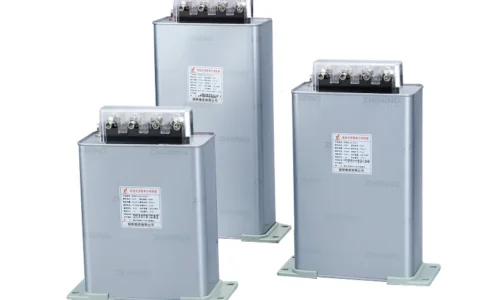
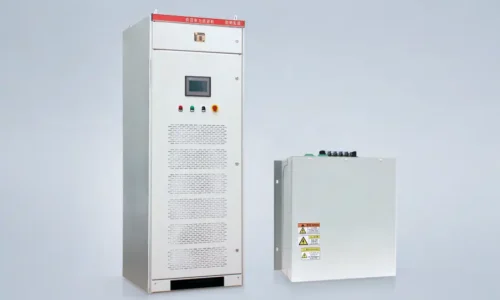
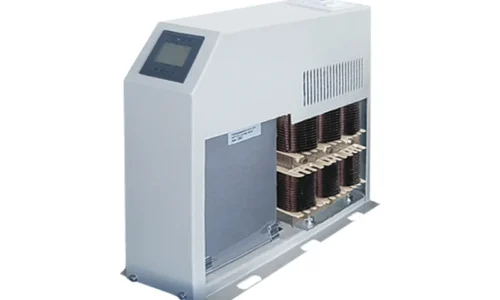
When asking “What are the different types of PFC?”, the discussion usually starts with definitions, but in practice, it often goes a bit beyond that. PFC is not just one fixed method. It appears in different forms depending on system requirements, load conditions, and even how stable the power environment is expected to be.
At first, the types of PFC may seem straightforward, often divided into a few main categories. But once applied in real systems, the differences become more noticeable. Some types of PFC are simple and stable, while others are more flexible but also slightly more complex.
Because of that, understanding the different types of PFC is less about memorizing categories and more about seeing how each type behaves in actual use.
Table of Contents
Basic classification of PFC types
Passive PFC as a traditional type of PFC
One of the earliest types of PFC is passive PFC. This method mainly relies on fixed components such as capacitors and inductors.
Passive PFC is often considered simple. It does not require complex control systems, and once installed, it operates continuously without frequent adjustments.
Typical characteristics include:
- Simple structure
- Lower cost
- Limited adaptability to changing loads
However, passive PFC may not respond well when system conditions vary. In environments where loads fluctuate, its effectiveness can become inconsistent.
Active PFC as an advanced type of PFC
Active PFC represents a more advanced approach. Instead of relying only on fixed components, it uses electronic control circuits to adjust power factor dynamically.
This type of PFC is more flexible and can adapt to different load conditions in real time.
Common features include:
- Dynamic adjustment capability
- Higher efficiency in varying conditions
- More complex design
Although active PFC provides better performance, it also involves higher cost and requires more precise configuration.
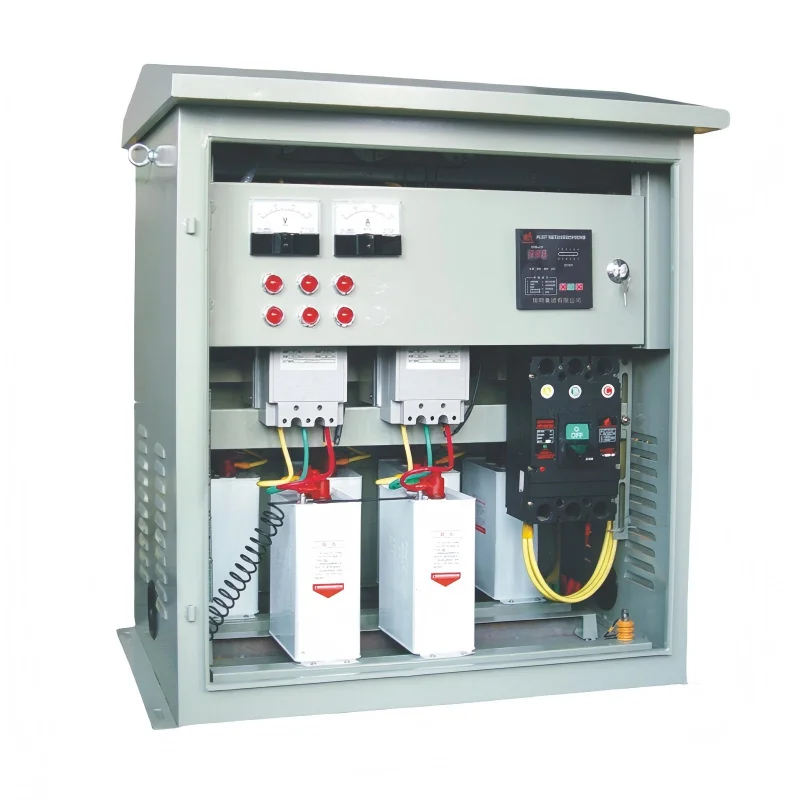
Automatic PFC systems in modern applications
Role of automatic PFC controllers
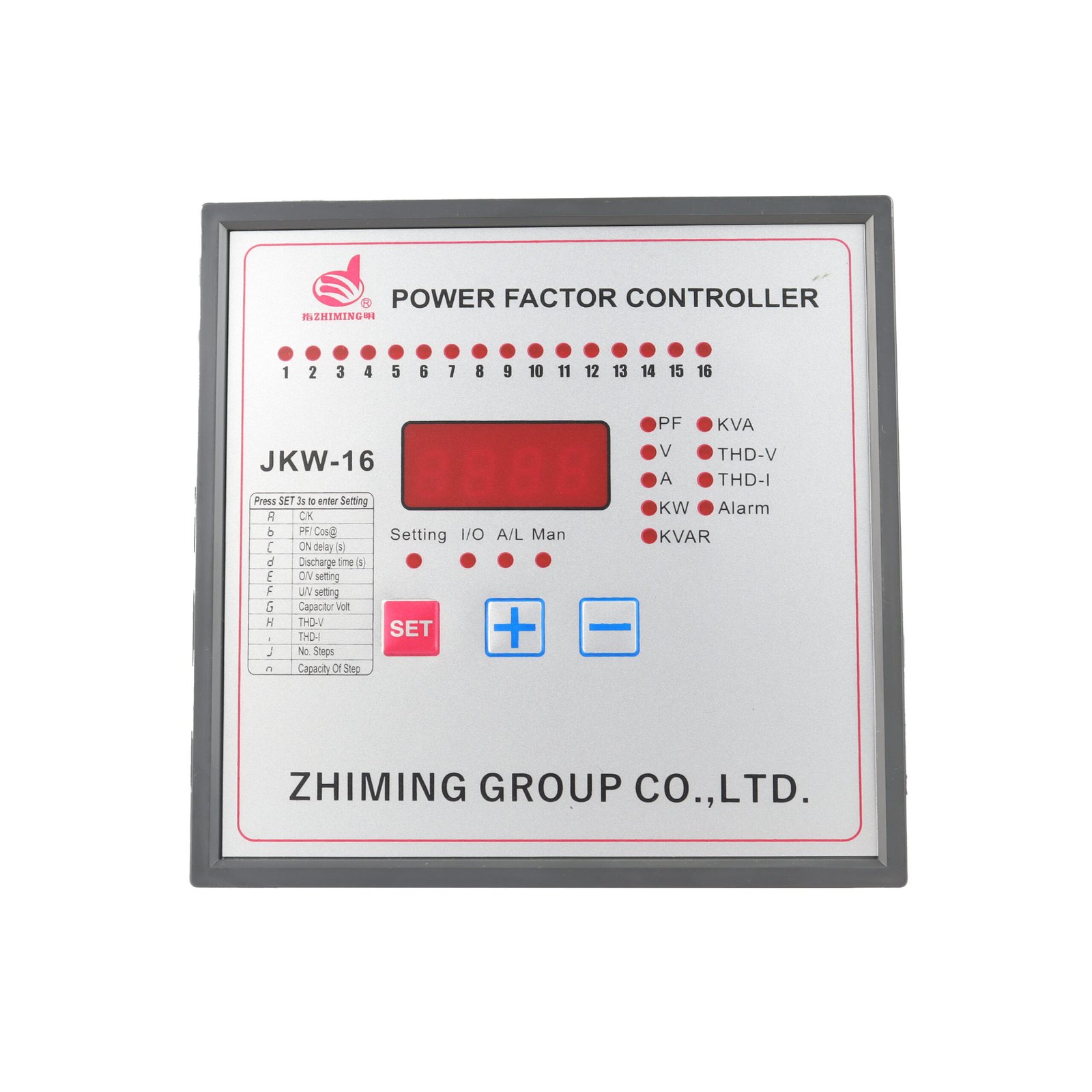
Another important type of PFC involves automatic control systems. These systems monitor power factor continuously and adjust compensation levels as needed.
For example, devices such as PFC controllers manage capacitor banks by switching them on or off depending on load conditions.
This type of PFC is often used in industrial environments where loads are not constant.
Flexible PFC using capacitor controllers
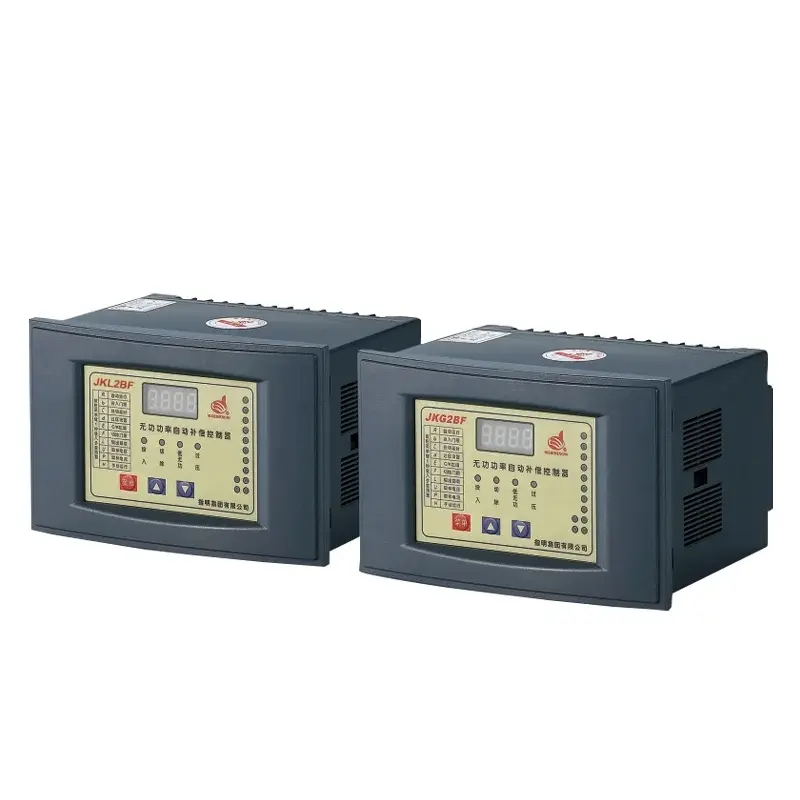
In more flexible setups, equipment like Split-phase Capacitor Controller is used to manage compensation in stages.
This allows the PFC system to respond gradually rather than making large adjustments at once.
Such configurations are useful in systems where load changes are frequent but not extreme.
Types of PFC based on application scenarios
Centralized PFC
Centralized PFC is applied at a single point in the system, usually near the main power distribution panel.
This type of PFC is easier to manage and maintain, but it may not address localized issues effectively.
Distributed PFC
Distributed PFC places compensation devices closer to individual loads.
This approach allows more precise correction but may require more equipment and coordination.
Hybrid PFC
Hybrid PFC combines centralized and distributed approaches.
It attempts to balance simplicity and flexibility, although the design can become more complex.
Comparison of different PFC types
| Type of PFC | Key feature | Limitation |
|---|---|---|
| Passive PFC | Simple design | Limited flexibility |
| Active PFC | Dynamic control | Higher cost |
| Automatic PFC | Adaptive response | Requires controllers |
| Centralized PFC | Easy management | Less precise |
| Distributed PFC | Local correction | More components |
This table gives a general overview of how different types of PFC compare in practical situations.
Choosing between different types of PFC
Selecting the right type of PFC is not always straightforward. In many cases, it depends on how the system behaves over time.
Some factors often considered:
- Stability of load conditions
- Budget limitations
- Required level of efficiency
- Complexity of system design
A system with stable loads may work well with simpler PFC, while a system with frequent fluctuations may require more advanced solutions.
Observations about different types of PFC
In practice, the differences between types of PFC are not always obvious at the beginning.
For example, a passive PFC system may appear sufficient during initial operation. However, as load conditions change, its limitations may become more noticeable.
On the other hand, more advanced types of PFC may seem complex at first, but they often provide more consistent performance over time.
Because of this, the choice of PFC type is often based on long-term observation rather than immediate results.
When looking at different types of PFC, it is sometimes easy to focus only on technical differences and ignore how they behave over time. In actual use, the distinction between types of PFC is not always as clear as it appears in theory.
For example, a system using passive PFC may seem stable in the beginning, especially if the load does not change much. But after some time, small variations can start to appear. These variations are not necessarily faults, just slight inefficiencies that become more noticeable in certain conditions.
On the other hand, more advanced types of PFC, such as automatic or controlled systems, tend to respond better to changes. Still, they are not always perfect either. There can be moments where adjustments feel slightly delayed or not exactly aligned with expectations.
Because of this, the choice between different types of PFC is often not about finding a perfect option, but rather selecting one that fits the general pattern of the system. Some environments benefit from simplicity, while others require flexibility.
In many cases, understanding the different types of PFC becomes easier only after observing how the system behaves over a longer period, rather than relying solely on initial comparisons.
Why multiple types of PFC exist
The existence of multiple types of PFC reflects the diversity of electrical systems.
Not all systems require the same level of control or flexibility. Some environments prioritize simplicity, while others require precise adjustments.
As a result, different types of PFC have developed to meet these varying needs.
This variety also means that no single type of PFC can be considered universally best.
Conclusion
The different types of PFC each serve specific purposes depending on system requirements. From simple passive solutions to advanced active and automatic systems, each type of PFC offers a different balance between cost, flexibility, and performance.
Understanding these differences helps in selecting a PFC solution that fits actual operating conditions rather than relying only on theoretical advantages.
If you want to know more about Current Transformer, please read How to check if current transformer is working or not.
FAQ
What are the main categories of PFC used in power systems?
The main categories of PFC include passive PFC, active PFC, and automatic PFC systems, each offering different levels of control and efficiency.
How do different types of PFC affect system performance?
Different types of PFC influence efficiency, stability, and energy losses, depending on how well they match the system’s load conditions.
Why is it important to choose the right type of PFC?
Choosing the right type of PFC ensures better efficiency, reduces energy waste, and supports stable operation in different electrical environments.