The question “What is the purpose of PFC?” often appears in discussions about electrical systems, especially when efficiency or energy performance becomes a concern. At first, PFC may seem like a technical adjustment that is not always necessary. Systems can operate without it, at least for a while.
However, as loads increase or operating conditions become more complex, certain inefficiencies start to become noticeable. These are not always immediate or obvious. Sometimes they show up as slightly higher energy consumption, or small variations in system performance that are difficult to explain at first glance.
This is where the purpose of PFC becomes clearer. It is not only about correcting a parameter but about improving how the entire electrical system behaves over time.
Table of Contents
What is the purpose of PFC in power systems
Understanding the core purpose of PFC
The main purpose of PFC is to improve the power factor of an electrical system. Power factor represents how effectively electrical power is being used.
In systems without proper PFC, a portion of the electricity does not contribute to actual work. Instead, it circulates as reactive power. This extra flow increases the load on cables and equipment, even though it does not produce useful output.
By applying PFC, this unnecessary component is reduced. The system becomes more balanced, and the relationship between voltage and current improves.
Why the purpose of PFC is not always obvious
In many cases, systems continue to operate even when power factor is not ideal. Because of that, the purpose of PFC may not seem urgent at first.
But over time, the effects become more visible. Equipment may experience additional stress, energy losses may accumulate, and system capacity may be used less efficiently.
So, the purpose of PFC is often better understood in long-term operation rather than in short-term observation.

Key purposes of PFC in practical applications
Purpose of PFC in reducing energy losses
One clear purpose of PFC is reducing energy losses.
When power factor is low, more current is required to deliver the same amount of useful power. This increased current leads to higher losses in cables and transformers.
With proper PFC, current flow is reduced, and losses decrease accordingly. The improvement may seem small in isolation, but across larger systems, it becomes significant.
Purpose of PFC in improving efficiency
Another important purpose of PFC is improving system efficiency.
When reactive power is minimized, electrical systems can utilize their capacity more effectively. This means that more of the supplied energy is used for actual work instead of being wasted.
In practice, systems with PFC often handle higher loads without requiring immediate upgrades.
Purpose of PFC in stabilizing voltage
Voltage stability is also closely linked to the purpose of PFC.
In systems with fluctuating loads, voltage may vary slightly. While these variations may not always cause immediate issues, they can affect equipment performance over time.
Applying PFC helps balance reactive power, which contributes to more stable voltage levels.
How PFC achieves its purpose
Basic mechanism behind PFC
The purpose of PFC is achieved mainly through reactive power compensation.
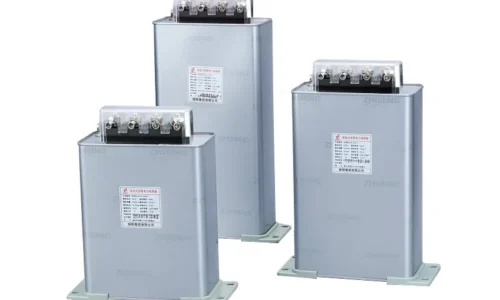
Inductive loads, such as motors, generate reactive power. PFC systems use capacitors to offset this effect. By introducing capacitive elements, the system reduces the total reactive power.
This adjustment improves the overall power factor and aligns current more closely with voltage.
Role of controllers in achieving the purpose of PFC
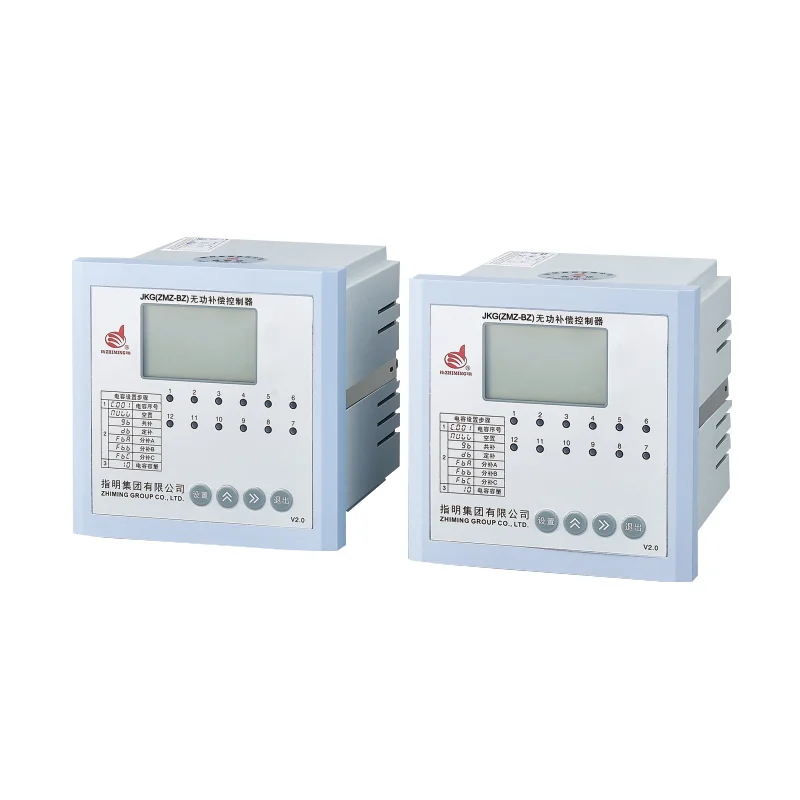
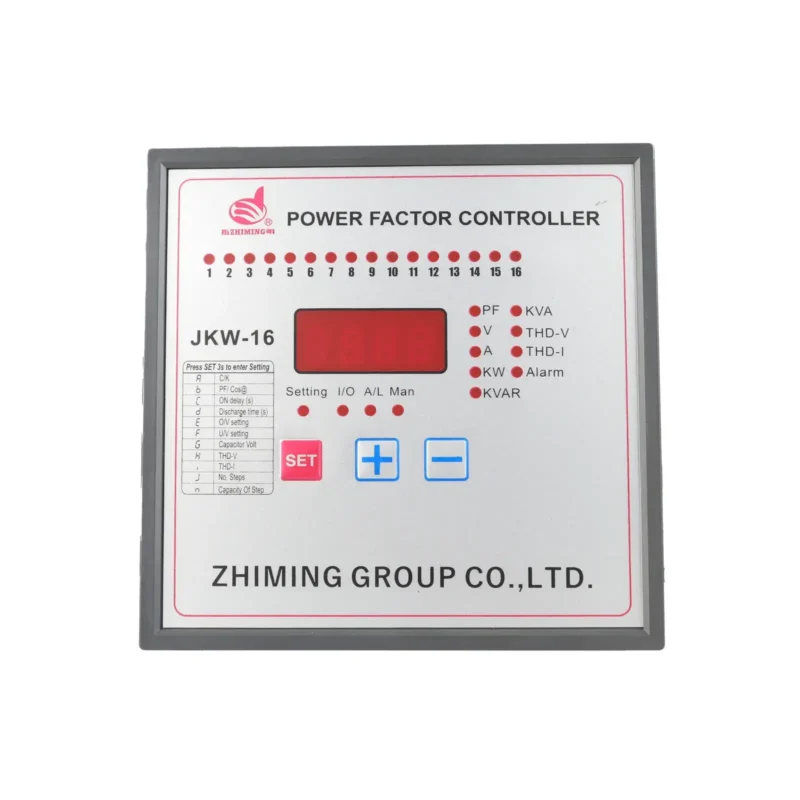
In modern systems, automatic controllers are used to manage PFC more efficiently.
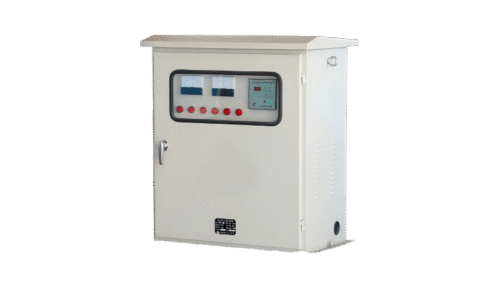
For example, devices such as PFC controllers monitor system conditions and adjust capacitor banks accordingly. These adjustments are typically made in steps, depending on load changes.
In certain configurations, products like Split-phase Capacitor Controller are used to provide more flexible compensation, especially in systems with varying load patterns.
Benefits that explain the purpose of PFC
Looking at the benefits can help clarify the purpose of PFC in a more practical way.
Common benefits include:
- Reduced energy losses in electrical systems
- Improved utilization of system capacity
- Lower stress on cables and transformers
- More stable voltage levels
- Potential reduction in electricity costs
These benefits are not always immediate. In many cases, they become noticeable after consistent operation.
Comparison showing the purpose of PFC
| Aspect | Without PFC | With PFC |
|---|---|---|
| Power factor | Lower | Improved |
| Energy losses | Higher | Reduced |
| Current flow | Excessive | Optimized |
| Efficiency | Lower | Higher |
| Voltage stability | Less stable | More stable |
This comparison highlights how the purpose of PFC translates into real system improvements.
When the purpose of PFC becomes essential
The purpose of PFC becomes more important under certain conditions.
Typical situations include:
- Systems with large inductive loads such as motors
- Facilities experiencing penalties due to low power factor
- Electrical systems approaching capacity limits
- Environments with noticeable voltage instability
In these cases, applying PFC is not just an optimization but often a necessary step.
Practical observations about the purpose of PFC
In real-world applications, the purpose of PFC is not always immediately visible. Systems may continue operating without obvious issues even when power factor is low.
However, over time, differences become clearer. Equipment may run more smoothly, energy usage may become more predictable, and system performance may feel more stable.
These changes are gradual rather than sudden, which is why the purpose of PFC is sometimes underestimated at the beginning.
When looking again at the purpose of PFC, it is sometimes helpful to consider situations where it is not applied. In those cases, systems may still function, but often in a slightly less efficient way that is not immediately obvious.
For example, a system without proper PFC may not fail or show clear faults, yet it may require more current to maintain the same output. Over time, this creates a kind of hidden inefficiency. It is not always dramatic, and in some environments it can go unnoticed for quite a long period.
This is partly why the purpose of PFC is sometimes underestimated. It does not always produce instant or visible improvements. Instead, it works more in the background, gradually adjusting how power is used within the system.
Another point that tends to appear in practice is that the effectiveness of PFC can vary depending on load conditions. In stable systems, the effect may seem limited, while in systems with fluctuating loads, the impact becomes more noticeable. This difference can make it slightly difficult to evaluate the purpose of PFC using a single observation.
Because of that, understanding the purpose of PFC often requires looking at system behavior over time rather than focusing only on short-term results. It is not always about immediate improvement, but more about long-term balance and efficiency.
Conclusion
The purpose of PFC is to improve how electrical systems use power. It reduces losses, increases efficiency, and stabilizes system performance, even if these improvements are not always immediately obvious.
Over time, PFC helps create a more balanced and reliable electrical environment, which is why it is widely applied in modern power systems.
If you want to know more about Current Transformer, please read How to check if current transformer is working or not.
FAQ
What is the main purpose of PFC in electrical systems?
The main purpose of PFC is to improve power factor, allowing electrical systems to use energy more efficiently and reduce unnecessary losses.
How does the purpose of PFC relate to energy efficiency?
The purpose of PFC is closely linked to efficiency because it minimizes reactive power, ensuring more energy is used for actual work.
Why is the purpose of PFC important for industrial equipment?
The purpose of PFC is important for industrial equipment because it reduces stress on components, stabilizes voltage, and improves overall system performance.