The question “What is automatic power factor control?” does not always come from theory. In many cases, it appears when something feels slightly inefficient in a system that is otherwise working fine. Nothing is obviously broken, yet the numbers do not look ideal, or the system seems to be using more energy than expected.
This is usually where automatic power factor control starts to come into discussion. At first, it may sound like a very specific technical feature, maybe even optional. But after some time, especially in systems with changing loads, its role becomes more noticeable.
What makes automatic power factor control different is not just what it does, but how it behaves. It does not stay fixed. It adjusts, sometimes frequently, sometimes in small steps that are easy to overlook.
And that is often where its value comes from.
Table of Contents
What is automatic power factor control in real systems
A practical view of automatic power factor control
In simple terms, automatic power factor control is a system that adjusts power factor without requiring manual input each time conditions change.
That sounds straightforward, but in practice, it is slightly more dynamic than that. Loads in a system do not stay constant. Motors switch on and off, equipment runs at different levels, and demand shifts throughout the day.
Without automatic power factor control, compensation tends to lag behind these changes. Sometimes there is too little, sometimes too much. Neither situation is ideal, although the system may still continue running.
Why automatic power factor control becomes necessary over time
At the beginning, a system might operate acceptably without automatic power factor control. If the load is stable, the difference is not always obvious.
But over time, especially when conditions vary, inefficiencies begin to accumulate. They are not always visible immediately. It might be slightly higher current, or a gradual increase in energy use that is difficult to explain.
This is usually when automatic power factor control becomes less of an option and more of a practical adjustment.
How automatic power factor control actually works
Basic operation of automatic power factor control
The way automatic power factor control works is based on continuous monitoring.
The system measures power factor and compares it to a target value. When the value drops, compensation is added. When it improves, some compensation is removed.
This process does not happen all at once. It usually occurs in steps, which makes the adjustment less abrupt and more stable.
Equipment involved in automatic power factor control
To make automatic power factor control work, specific devices are used.
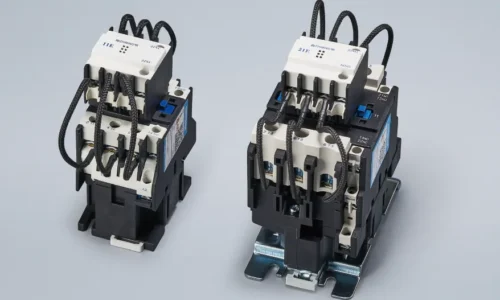
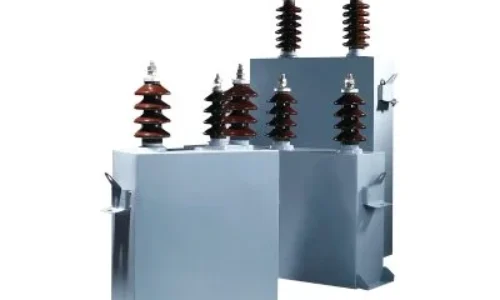
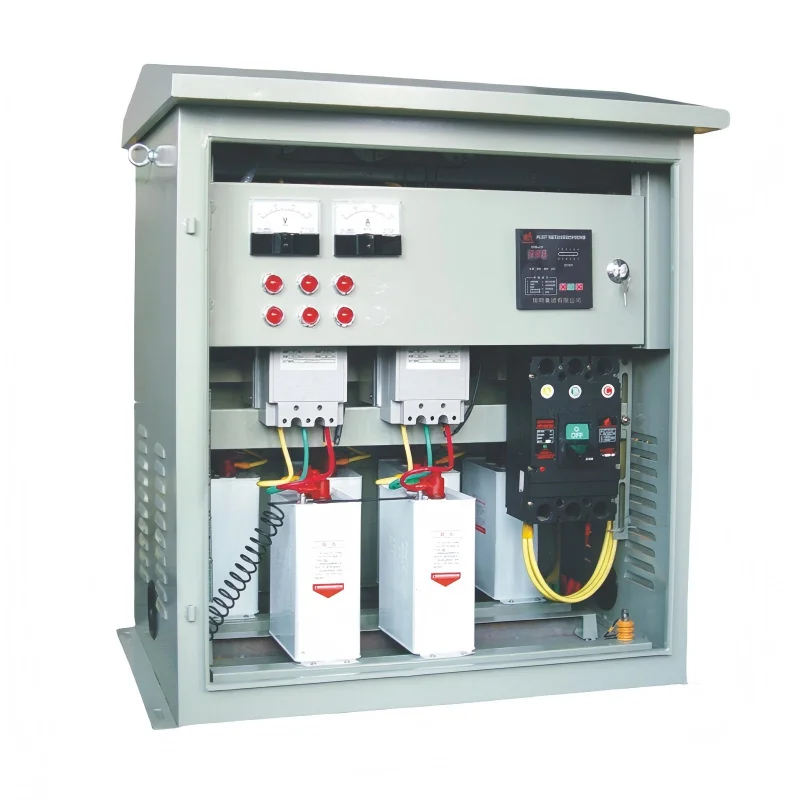
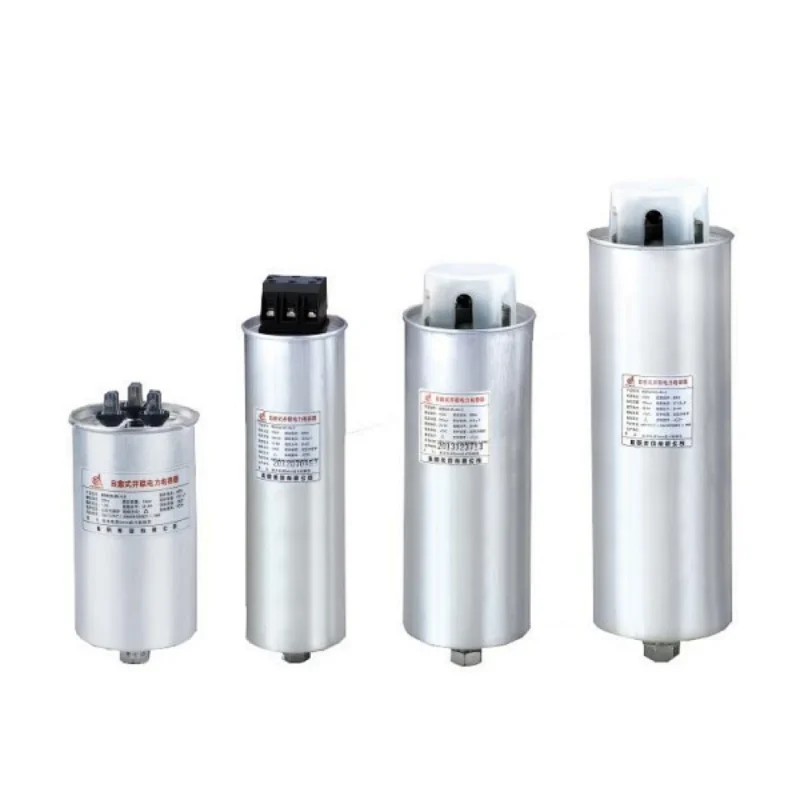
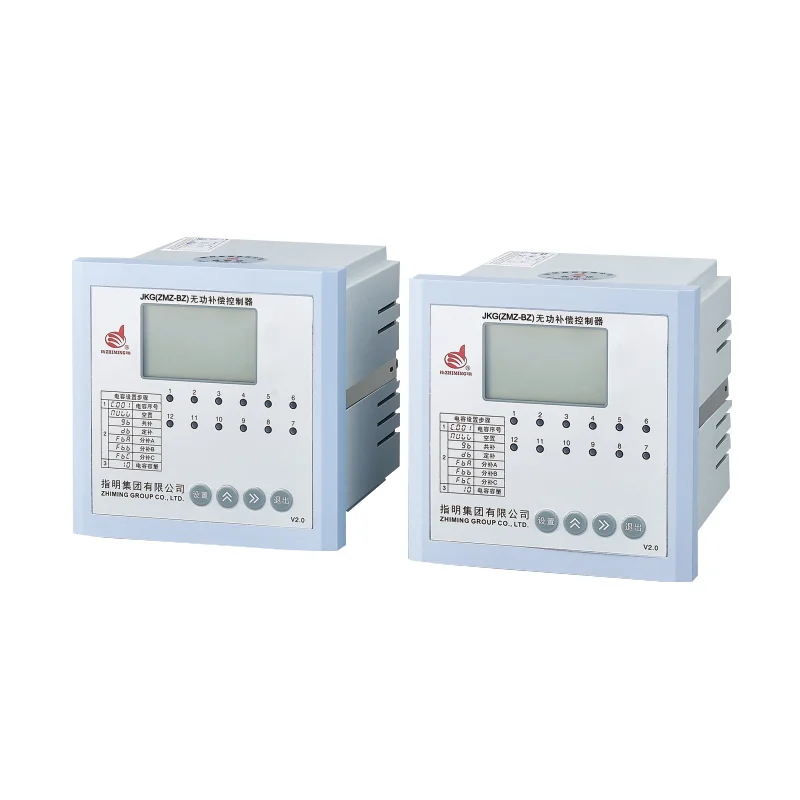
For example, automatic power factor control systems rely on controllers that manage capacitor banks. These controllers decide when to connect or disconnect capacitors based on system conditions.
In certain setups, Split-phase Capacitor Controller is used where load characteristics require more precise control at a smaller scale.
For larger systems, Three Phase Capacitor Controller becomes more relevant, as it helps maintain balance across all phases.
The combination of these components allows automatic power factor control to function in a way that is both responsive and relatively stable.
Main purposes behind automatic power factor control
Keeping power factor within a stable range
One key purpose of automatic power factor control is to keep power factor within a target range rather than allowing it to fluctuate freely.
This does not mean the value stays perfectly constant. In reality, it moves slightly, but within acceptable limits.
Reducing unnecessary current flow
Another purpose of automatic power factor control is reducing excess current caused by reactive power.
This reduction helps decrease losses, although the effect is often gradual rather than immediate.
Supporting overall system efficiency
With automatic power factor control, systems tend to use their capacity more effectively.
This does not always result in dramatic changes, but over time, efficiency improvements become more noticeable.
Benefits observed with automatic power factor control
Looking at benefits helps explain why automatic power factor control is used so widely.
- Continuous adjustment without manual changes
- More stable system behavior
- Reduced energy loss over time
- Lower stress on electrical components
- Better use of available capacity
These benefits do not always appear instantly. In some cases, they become clear only after extended operation.
Comparison between systems with and without automatic power factor control
| Aspect | Without automatic power factor control | With automatic power factor control |
|---|---|---|
| Adjustment | Fixed or manual | Continuous |
| Response | Delayed | Immediate (step-based) |
| Efficiency | Variable | More consistent |
| Stability | Less predictable | More stable |
| Maintenance | Higher attention needed | Reduced intervention |
This comparison is simplified, but it reflects how automatic power factor control changes system behavior.
Situations where automatic power factor control is commonly used
Systems with fluctuating loads
In systems where loads change frequently, automatic power factor control becomes particularly useful.
Manual adjustment in these cases is not practical, as conditions change too often.
Expanding electrical systems
As systems grow, managing power factor manually becomes more difficult.
In such cases, automatic power factor control provides a more scalable approach.
Observations from real use of automatic power factor control
In practice, the effect of automatic power factor control is sometimes subtle.
A system may not show obvious problems before installation. However, after some time, differences begin to appear. Energy usage may stabilize, and system behavior may feel more consistent.
These changes are not always easy to measure immediately, which is why automatic power factor control is sometimes underestimated at the beginning.
Still, over longer periods, its impact becomes harder to ignore.
When looking more closely at automatic power factor control, there is another aspect that tends to be noticed only after some time. It is not just about correction, but about how often and how smoothly the correction happens.
In some systems, adjustments made by automatic power factor control can feel almost invisible. The system responds in small steps, and because those steps are not abrupt, the overall change is easy to miss. This can create the impression that nothing significant is happening, even though the system is continuously optimizing itself.
At the same time, not every situation responds in exactly the same way. In systems with very rapid load changes, automatic power factor control may appear to be constantly adjusting. In more stable systems, the adjustments may be less frequent, sometimes almost idle for periods of time.
This variation makes it slightly difficult to evaluate automatic power factor control based on a single moment. It works better when observed over a longer period, where patterns start to appear.
Because of that, understanding automatic power factor control is often less about immediate results and more about gradual system behavior that becomes clearer with time.
Conclusion
Automatic power factor control is designed to adjust power factor automatically in response to changing conditions. While its effects may not always be immediate, it contributes to improved efficiency, reduced losses, and more stable system performance over time.
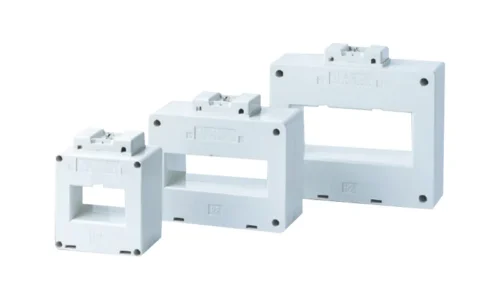
If you want to know more about Current Transformer, please read How to check if current transformer is working or not.
FAQ
What does automatic power factor control do in changing load conditions?
Automatic power factor control adjusts compensation dynamically, helping maintain efficiency even when load conditions vary.
Why is automatic power factor control important for long-term system performance?
Over time, automatic power factor control helps reduce inefficiencies that may not be obvious in short-term operation.
Can automatic power factor control improve system reliability?
Yes, automatic power factor control supports more stable operation by reducing fluctuations and maintaining consistent performance.