Table of Contents
Introduction
In today’s industrial and commercial environments, efficient power management is essential for maintaining performance, reducing costs, and ensuring system reliability. One of the most effective ways to enhance power efficiency is through the use of a power capacitor. However, many businesses struggle to determine what size or capacity they actually need. Choosing the right power capacitor is not simply a technical decision—it is a strategic one that impacts operational stability and energy efficiency.
This article explores how to determine the right size power capacitor for your facility, what factors influence this choice, and why professional assessment is key to long-term success in industrial applications.
Understanding the Role of a Power Capacitor
Why Power Capacitors Matter in Industrial Systems
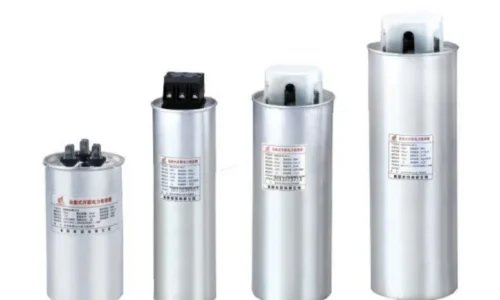
A power capacitor is a key component in power factor correction and reactive power compensation. It helps balance the electrical system by reducing wasted reactive energy and improving the overall power factor. For industries that rely on heavy machinery, motor-driven systems, or large-scale production lines, this improvement can lead to more stable voltage levels and smoother equipment operation.
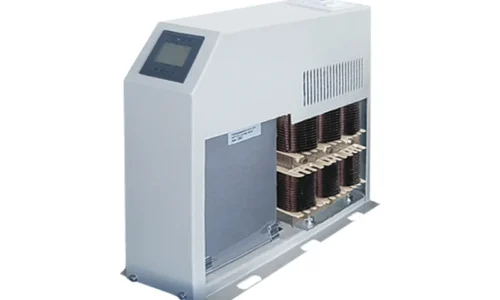
In the B2B environment, installing industrial capacitor banks can enhance power quality, prevent unnecessary power losses, and lower demand charges from utility companies. As businesses seek more energy efficiency solutions, the role of power capacitors becomes increasingly strategic for long-term cost control and system optimization.
How Power Capacitors Impact Operational Efficiency
When properly sized, a power capacitor can significantly improve electrical optimization and reduce the strain on transformers and distribution systems. For facilities managing multiple production lines, it also stabilizes voltage fluctuations that could otherwise cause downtime or inconsistent performance. In this sense, power capacitors are not just electrical components—they are part of a broader industrial power management strategy that helps businesses maintain competitive operational efficiency.
Factors That Influence Power Capacitor Size
Type of Electrical Load
The nature of your electrical load plays a major role in determining capacitor size. Facilities with inductive loads, such as motors, conveyors, or compressors, typically require greater reactive power compensation. On the other hand, mixed or balanced loads may need smaller adjustments. Understanding how your equipment consumes electricity is essential to accurate capacitor sizing for inductive loads and avoiding both under- and over-compensation.
System Voltage and Application Environment
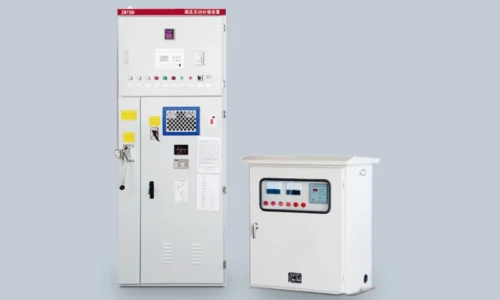
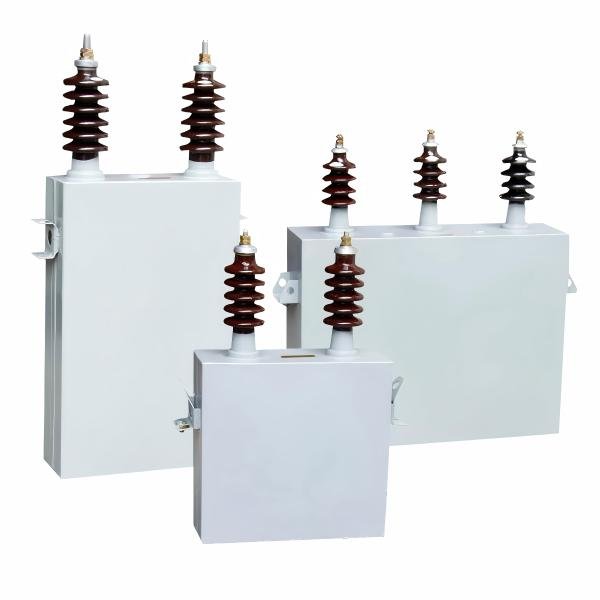
Although this guide avoids specific parameters, it’s important to note that system voltage levels, installation conditions, and environmental factors affect capacitor selection. For example, high-voltage capacitor applications in industrial power systems must consider insulation, cooling, and spatial layout. The same applies to facilities where exposure to heat, dust, or vibration could influence capacitor performance and lifespan. In large-scale energy facilities where equipment operates at elevated voltages, selecting a High Voltage Power Capacitor ensures consistent performance and long-term reliability under demanding electrical conditions.
Energy Goals and Power Factor Targets
Each organization has its own energy objectives. Some aim to comply with energy regulations, while others seek lower operational costs or improved equipment reliability. These energy goals directly influence the size and configuration of the power capacitor system required. Facility managers and electrical engineers often set power factor targets as part of their broader sustainability and energy management strategies.
How to Determine the Right Power Capacitor Size
Assessing Your Power System Needs
To find the appropriate capacitor size, businesses must first understand their power profile. This involves analyzing load characteristics, identifying where reactive power is being wasted, and evaluating the target power factor improvement. In most cases, this assessment is performed by an engineering team or energy consultant who understands how to size a power capacitor for industrial environments.
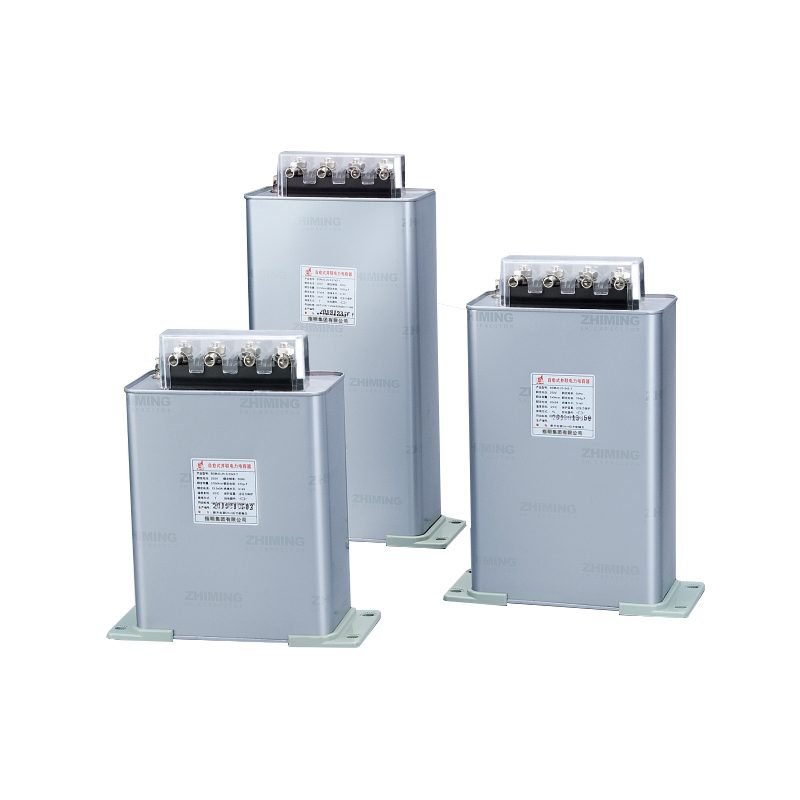
By aligning capacitor capacity with operational demands, companies ensure they gain maximum benefit without creating system imbalances or inefficiencies. For smaller facilities or localized systems, a Low Voltage Power Capacitor can provide precise reactive power compensation while maintaining stable and efficient operation at lower voltage levels.
Consulting with Professional Engineers
Because power systems can be complex, working with experienced professionals is strongly recommended. A qualified engineer or B2B power capacitor supplier can help analyze electrical patterns, determine compensation requirements, and design custom capacitor solutions that integrate seamlessly with existing equipment. Professional consultation ensures that the chosen system meets both technical and business objectives—reducing risk and optimizing performance over time.
Common Mistakes When Selecting Power Capacitors
Even experienced facility managers can make errors when selecting capacitors. One common mistake is ignoring the specific load profile of the equipment, leading to either insufficient or excessive compensation. Another is overlooking capacitor maintenance or system monitoring, which can lead to performance degradation.
Other challenges arise from mismatched installation configurations or choosing a capacitor unsuited for environmental conditions. Each of these mistakes can lead to inefficiencies, reduced energy savings, or even operational disruptions. Ensuring the system aligns with industrial energy systems best practices will help avoid these pitfalls and extend equipment lifespan.
Choosing a Reliable Power Capacitor Partner
A reliable power capacitor manufacturer is more than just a supplier of the component. It provides technical guidance, lifecycle support, and customization options. For industrial and commercial users, choosing the right partner is as critical as selecting the right size of the capacitor.
Working with industrial equipment suppliers has a great hand in helping businesses design systems that are scalable according to the growing needs for energy. A good relationship with the supplier, on the other hand, enables facility managers to put into place a long-term plan for energy optimization that ensures efficiency and keeps your system running at its best.
When businesses treat the choosing of a power capacitor as a partnership decision rather than merely a purchase, they reap more sustainable and cost-effective results.
Conclusion
Choosing the right size power capacitor is very important for getting efficient, stable, and long-lasting energy performance in any industrial or commercial place. By knowing the system well, asking experts for help, and working with skilled suppliers, businesses can make sure that their electrical setup works at its best.
In the changing world of managing industrial power, the right capacitor is not just a part—it’s a base for better, cleaner, and more dependable energy work.