Table of Contents
Understanding Current Transformer Function and Failure Modes
A current transformer steps down high current to measurable levels for metering and protection circuits. When one fails, the consequences range from inaccurate billing to catastrophic equipment damage because protective relays don’t trip when they should.
The tricky part is that current transformer failures don’t always announce themselves. Unlike a blown fuse or a tripped breaker, a degraded CT might still produce output—just not the correct output. The meter might read 95% of actual current, which seems close enough until you realize that 5% error across thousands of amps translates to significant problems.
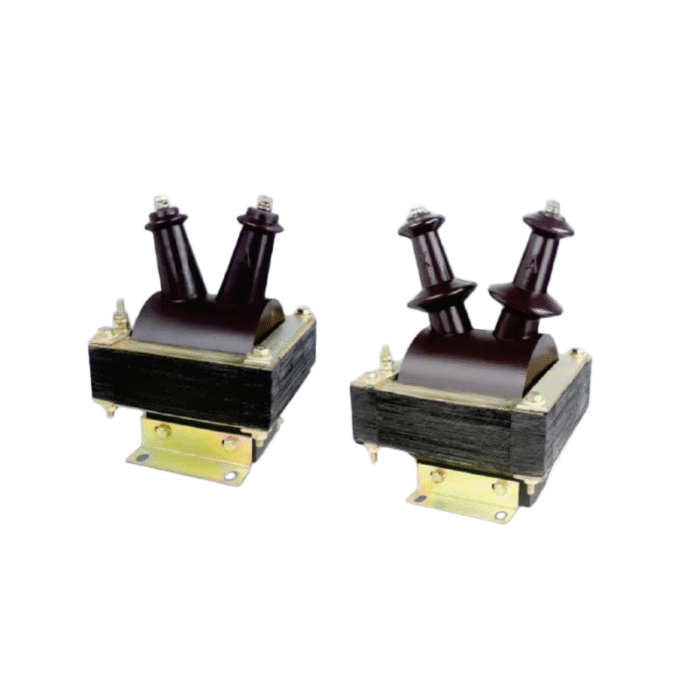
Common Failure Patterns
Current transformers fail in predictable ways. The secondary winding can develop opens due to vibration or thermal cycling. Insulation breaks down from moisture ingress or electrical stress. Core saturation occurs when the CT is undersized for the application. Burden resistance changes as terminal connections corrode.
Each failure mode produces different symptoms. An open secondary creates dangerously high voltages—potentially thousands of volts—because the CT tries to maintain its turns ratio with no load. A shorted turn reduces accuracy but might not be immediately obvious. Insulation failure shows up as erratic readings or ground faults.
Visual and Physical Inspection Methods
Before breaking out test equipment, a thorough visual inspection catches many issues. Look for physical damage to the housing, cracks in the insulation, signs of overheating (discoloration, melted components), and corrosion at terminals.
Check the nameplate data against the installation requirements. A 100:5 current transformer installed where a 200:5 is specified will saturate and produce inaccurate readings. It happens more often than it should, especially during maintenance when CTs get swapped between locations.
Terminal Connection Verification
Loose or corroded terminals create resistance that affects accuracy and generates heat. Tighten all connections to manufacturer torque specifications. Use a thermal camera if available—hot spots at terminals indicate high resistance connections that need attention.
The secondary circuit must never be opened while primary current flows. This is worth repeating because it’s a safety-critical point. Always short the secondary terminals before disconnecting anything. Most test procedures include this step, but it’s easy to forget in the field.
Testing Current Transformer Output and Ratio
Basic Continuity and Insulation Tests
Start with the simple stuff. With the CT disconnected from the circuit:
Measure secondary winding resistance with a digital multimeter—should be a few ohms for typical 5A secondary CTs
Check insulation resistance between primary and secondary using a megohmmeter (500V or 1000V test voltage)
Verify insulation resistance between secondary and ground
Inspect polarity markings and confirm they match the installation diagram
Insulation resistance below 1 megohm suggests moisture or contamination. Below 100 kilohms indicates serious insulation failure. These are general guidelines—always reference manufacturer specifications for the specific current transformer model.
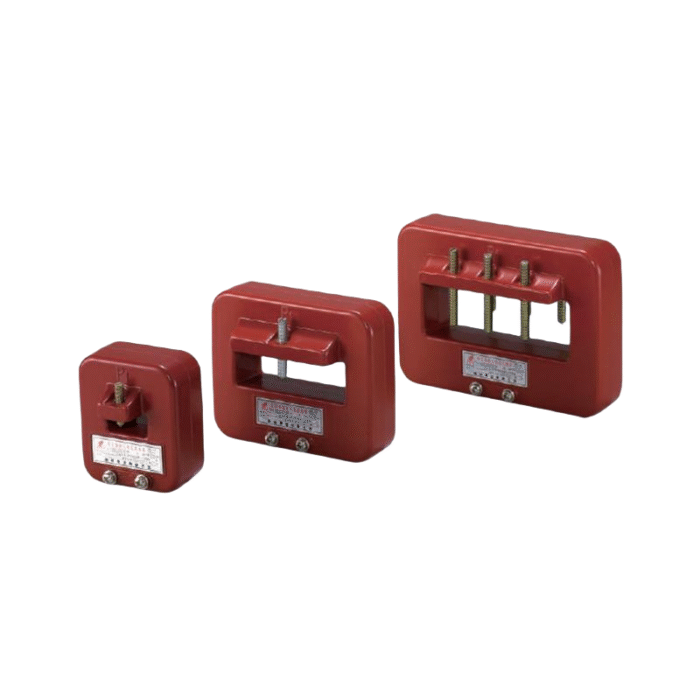
Advanced Testing Techniques for Current Transformer Verification
Excitation Curve Testing
This test reveals core condition and saturation characteristics. It involves applying increasing voltage to the secondary winding (with primary open) and measuring the resulting excitation current. The curve should show a distinct knee point where current increases rapidly.
A flattened curve or shifted knee point indicates shorted turns or core damage. This test requires specialized equipment—a variable AC source and precision meters—but it’s the most thorough way to assess current transformer health.
Burden Testing
The burden is the total impedance connected to the secondary circuit—meters, relays, wiring resistance, and any other loads. Excessive burden causes voltage drop that affects accuracy and can lead to saturation.
Measure the actual burden by:
Calculating wire resistance based on length and gauge
Adding meter and relay impedances from their specifications
Measuring voltage drop across the secondary at rated current
Comparing total burden to the CT’s rated burden capacity
If the actual burden exceeds 80% of rated burden, accuracy suffers. Solutions include using larger wire, reducing circuit length, or installing a CT with higher burden rating. If you want to know more about current transformer, please read What is the current transformer.
FAQ
Can a current transformer be tested without removing it from service?
Yes, most functional tests can be performed with the CT in service using clamp meters and voltage measurements. However, insulation resistance testing and detailed ratio verification typically require isolation from the circuit. Some utilities use portable CT test sets that inject test current through the primary without interrupting service, though this equipment is specialized and expensive.
What causes a current transformer to suddenly fail after years of reliable operation?
Insulation degradation from moisture, thermal cycling, or electrical stress is the most common cause of sudden failure. Lightning strikes or system faults can also damage CTs by exceeding their short-time current rating. Mechanical vibration loosens connections over time, increasing burden and potentially creating open circuits. In outdoor installations, UV exposure and temperature extremes accelerate aging.
How often should current transformers be tested in industrial facilities?
Testing frequency depends on the application criticality and operating environment. Revenue metering CTs typically require annual verification. Protection CTs in critical applications might be tested every 3-5 years. General monitoring CTs can go longer between tests unless problems are suspected. Harsh environments—high humidity, temperature extremes, heavy vibration—warrant more frequent testing regardless of application.