Table of Contents
Understanding the Power Factor Correction Device Industrial Environment
It is pretty common to walk into a large-scale manufacturing plant and instantly notice the sheer volume of electricity being consumed. Heavy machinery, stamping presses, massive conveyor systems—they all require an incredible amount of energy to keep moving. But not all that energy is actually doing useful work. A lot of it is just reactive power, swirling around and creating magnetic fields to keep induction motors running. This is where a power factor correction device industrial system comes into the picture. Without something to manage that reactive load, the entire electrical grid of the facility starts dragging behind, operating inefficiently and drawing utility penalties.
It just happens. And utility companies absolutely loathe this inefficiency. Therefore, installing a power factor correction device industrial setup is less of an option and more of a strict necessity for heavy-duty operations. Because, frankly, no one wants to pay thousands of dollars in fines every month for power they aren’t even really using to make products.
Lorem ipsum dolor sit amet, consectetur adipiscing elit. Ut elit tellus, luctus nec ullamcorper mattis, pulvinar dapibus leo.
Why a Power Factor Correction Device Industrial Application Matters So Much
When observing a factory’s power bill over a few months, the reactive power charges usually stick out like a sore thumb. A power factor correction device industrial unit essentially acts as an on-site generator for that reactive energy. Instead of pulling it all the way from the utility grid (which creates heat, voltage drops, and those annoying penalties), the machinery gets what it needs locally.
The Hidden Costs of Poor Electrical Efficiency
Induction motors are notorious for causing poor electrical efficiency. They are everywhere in industrial settings, and they almost always run partially loaded at least some of the time. When machines idle or run lightly, efficiency tanks. Implementing a power factor correction device industrial solution provides a buffer against this natural fluctuation.
Here are a few noticeable consequences when a facility ignores this issue:
Excessive heating in cables and transformers (which degrades equipment lifespans significantly).
Annoying voltage drops that can cause sensitive electronics on the factory floor to trip or reset unpredictably.
Reduced capacity on the main electrical panel, preventing the addition of new machinery without a complete system overhaul.
Those aforementioned utility penalty fees that eat directly into profit margins month after month.
Key Components Inside a Power Factor Correction Device Industrial Panel
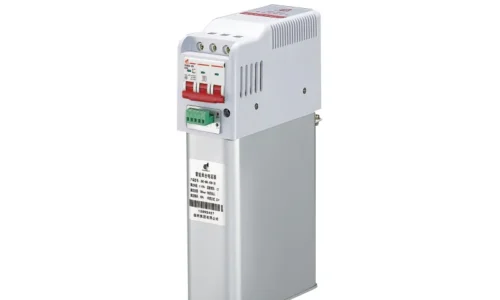
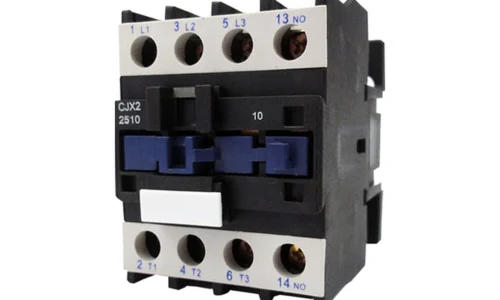
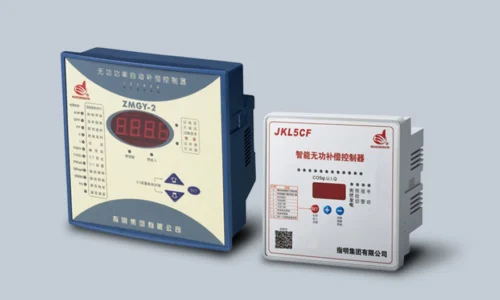
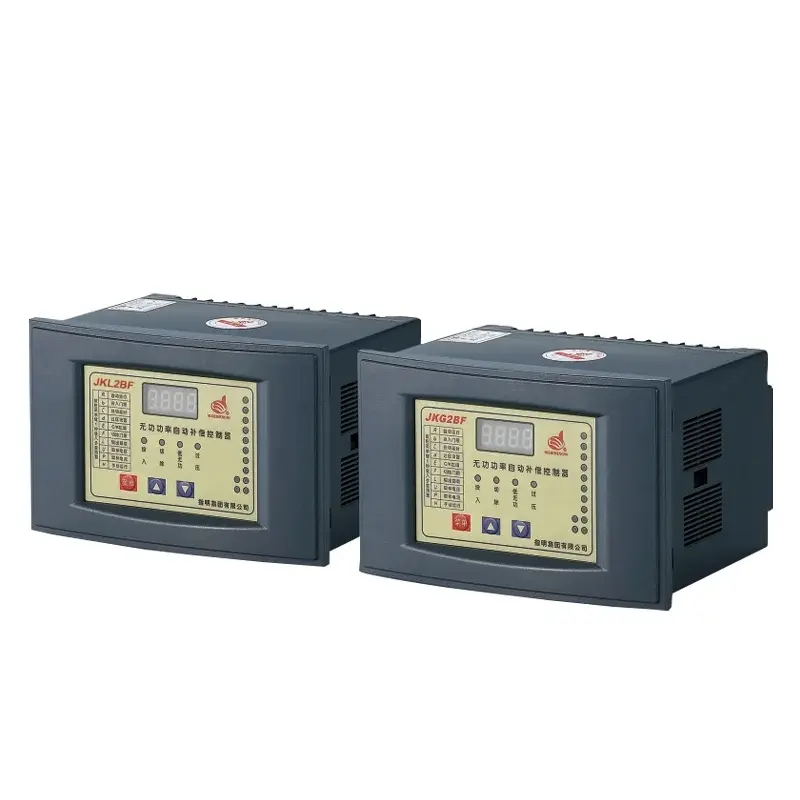
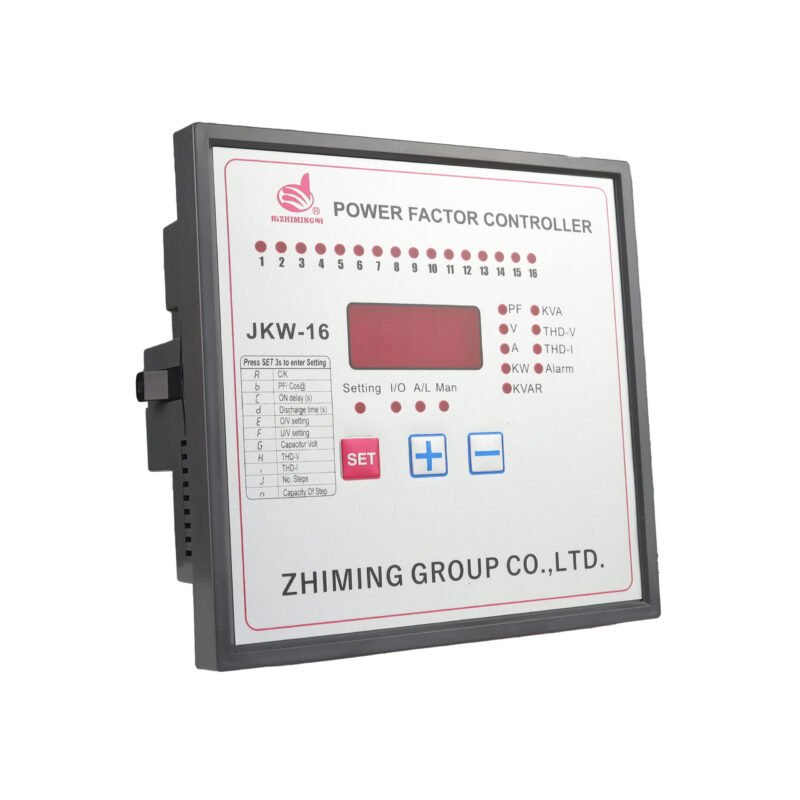
Not all systems are built the same way, naturally. Looking inside a standard power factor correction device industrial cabinet, one typically finds a series of heavy-duty capacitors, contactors, fuses, and often an intelligent controller. The controller continuously monitors the facility’s demand in real-time. If a massive motor kicks on, the controller senses the drop in efficiency and switches in another bank of capacitors to balance things out.
Depending on the factory’s operational rhythm, different setups make sense. Here is a brief look at how different configurations handle loads:
Setup Type | Best Suited For | Initial Investment | Level of Maintenance |
Fixed Capacitor Bank | Loads that rarely change or turn off (like 24/7 ventilation) | Relatively Low | Very Minimal |
Automatic Switched System | Highly variable loads (welding, intermittent stamping) | Moderate | Standard routine checks |
Detuned Filter Bank | Facilities with heavy harmonic distortion (many VFDs) | Quite High | Frequent monitoring |
Dealing with the Harmonic Problem
Harmonics are a massive headache in modern plants. Variable frequency drives are great for saving energy, but they throw garbage electrical noise back into the grid. If a standard power factor correction device industrial model is installed in a high-harmonic environment, the capacitors can actually resonate with the noise, swell up, and sometimes literally burst. Detuned reactors are pretty much mandatory in those specific situations to keep the capacitors safe and functioning.
Implementing a Power Factor Correction Device Industrial Upgrade
Getting this sort of equipment up and running is not something that should be rushed. You can’t just pick a unit out of a catalog based on a single past electric bill. There is a whole process involved in sizing a power factor correction device industrial system correctly, mainly to avoid overcorrecting (which causes its own set of weird electrical problems like voltage spikes).
The typical approach usually follows a specific path:
Conducting a thorough power quality audit over a week or two to capture peak and low production times accurately.
Analyzing the gathered data to identify the exact amount of reactive compensation needed.
Selecting the right type of power factor correction device industrial network (fixed, automatic, or filtered).
Installing the equipment close to the largest loads or directly at the main service entrance.
Commissioning the system and tweaking the controller settings to hit that sweet spot of 0.95 or higher efficiency.
If you want to know more about power factor correction device, please read Power Factor Correction Device for Industrial Building Applications.
FAQ
What is the main purpose of this equipment in a factory?
Essentially, it reduces the amount of reactive power the facility has to pull from the utility company. By providing that non-working power locally through capacitors, the overall electrical efficiency improves, the system runs cooler, and utility penalty charges are typically eliminated.
How long does a power factor correction device industrial installation last?
With decent maintenance, a good system can easily last 10 to 15 years, sometimes longer. However, the individual capacitors inside the cabinet will degrade over time (especially in hot or harmonically noisy environments) and usually need replacing every 5 to 7 years to maintain peak performance.
Can this equipment actually lower a facility’s total energy consumption?
Not in the way most people think. It doesn’t noticeably change the actual “real” energy measured in kW that the machines need to do physical work. But it absolutely lowers the total current running through the plant’s wiring, which reduces heat loss and completely wipes out those low-efficiency utility fines.