Table of Contents
The Mystery Behind the Power Factor Correction Device
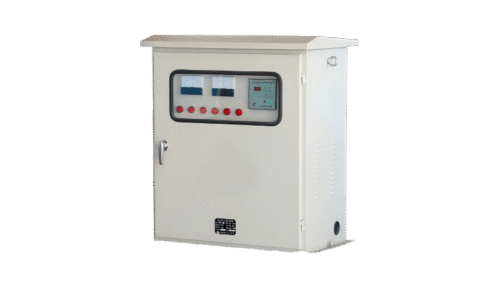
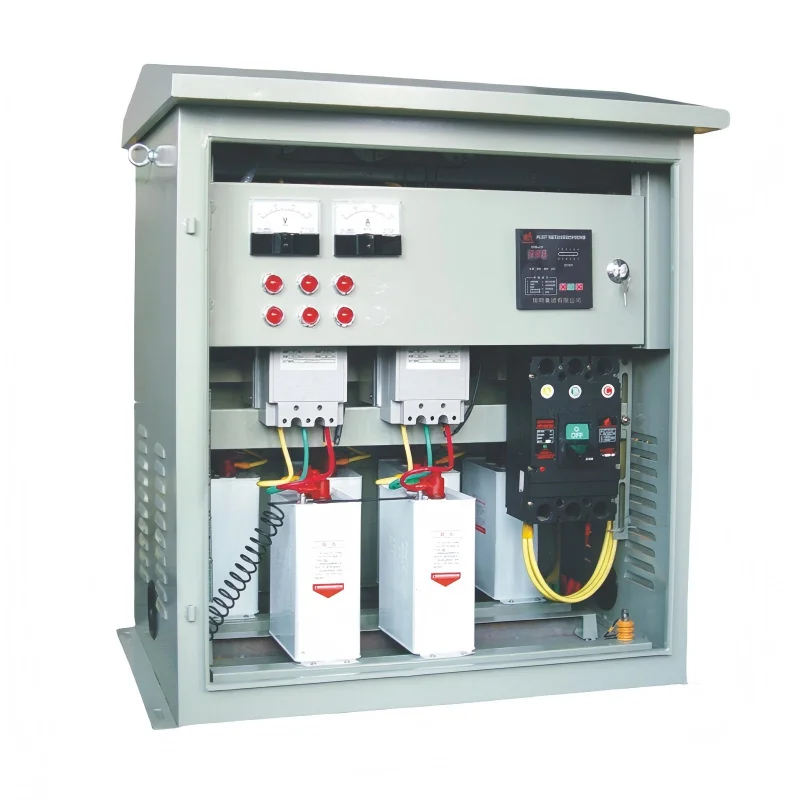
Walking into a noisy, humming manufacturing plant, there is usually a massive amount of electricity flowing through thick cables just out of sight. Tucked away near the main switchgear, often sitting in a rather nondescript gray metal cabinet, is a piece of equipment that rarely gets much attention. That quiet cabinet is usually a power factor correction device. It simply sits there, doing a highly specific job that most floor workers don’t fully understand. However, the facility managers definitely care about it, especially when the monthly utility bills arrive.
To grasp what this equipment actually does, it helps to think of electrical power as having two different personalities. First, there is the real working power. This is the electricity that actually spins the heavy motor shafts, heats up the industrial ovens, and turns on the overhead lights. Then, there is reactive power. Reactive power is sort of just sloshing back and forth in the wiring. It doesn’t do any actual work, but it is absolutely necessary to maintain the magnetic fields inside things like large transformers and induction motors.
Without getting too bogged down in the deep electrical engineering math, a Power Factor Correction Device basically acts as a local sponge for this reactive power. By handling it locally right next to the machinery, the main utility grid doesn’t have to send as much total power down the transmission lines.

Why Facilities Install a Power Factor Correction Device
Heavy machinery (and even large commercial air conditioning units) naturally creates what engineers call a lagging power factor. When a building’s power factor drops too low, the local utility company gets quite annoyed. It stresses their grid infrastructure, forces them to use thicker wires, and generates excess heat in their transformers. To discourage this, they slap heavy penalty fees on commercial users who draw poor-quality power.
Installing a Power Factor Correction Device is the standard, time-tested way to fix this issue. Inside that gray cabinet, there are usually banks of capacitors that counteract the lagging effect from the motors.
There are usually a few clear signs that a building might need to look into getting one of these units:
Utility bills showing unexpected penalty charges for reactive power or kVAR usage.
Dimming lights or sudden voltage drops whenever a particularly large piece of equipment starts up.
Cables or electrical panels feeling unusually hot to the touch.
The electrical system capacity feeling completely maxed out, even though the actual calculated wattage usage is well below the breaker limits.
Comparing Different Power Factor Correction Device Types
Not every electrical setup behaves the same way. Sometimes a factory’s electrical draw fluctuates wildly from minute to minute, while other times a single massive water pump just runs continuously at the exact same speed all day long. Because of this unpredictable nature, picking a Power Factor Correction Device isn’t just a matter of grabbing the biggest one off a supply shelf.
System Type | Typical Application | Relative Cost | Maintenance Needs |
Fixed / Static | Single large motors running continuously | Low | Very minimal |
Automatic | Factory floors with constantly shifting loads | Medium to High | Periodic contactor checks |
Active Filter | Modern setups with heavy non-linear loads | High | Requires specialized support |
Watching the automatic units of a high-voltage reactive power compensation controller work is actually quite fascinating. Standing next to one, you can hear the internal contactors physically clicking on and off. The controller constantly senses changes in the electrical draw across the facility, bringing different capacitor banks online and taking them offline right when they are needed.
Setting Up a Power Factor Correction Device Properly
Throwing random capacitors at an electrical problem without doing the proper math is usually a recipe for disaster. Over-correcting the power factor can actually cause severe voltage spikes, which ends up damaging the very electronics one is trying to protect.
The general process for getting a Power Factor Correction Device up and running usually follows a specific path:
Conduct a thorough power quality audit over a few weeks to capture the true electrical load profile of the building.
Calculate the total required kVAR needed to bring the facility up to the target efficiency level (usually aiming for around 0.95).
Decide whether it makes more sense to install smaller, individual units at each motor or one massive central unit at the main electrical intake.
Install the cabinet, making sure there is plenty of ventilation since these capacitors can generate a surprising amount of heat.
Tune any harmonic filters, which is especially important if the building uses a lot of modern variable frequency drives.
FAQ
How much money does a Power Factor Correction Device actually save?
It really depends on the local utility rates. If the power company charges heavy penalties for reactive power (which happens more often than one might think in industrial areas), the equipment can easily pay for itself in less than two years. For residential homes, however, it generally saves absolutely nothing, as standard homeowners aren’t billed for reactive power.
Does a Power Factor Correction Device lower overall energy consumption?
Technically, no. It doesn’t reduce the actual kilowatts the machines use to perform their physical work. It just makes the delivery of that power much smoother. By reducing the excess current flowing through the facility’s wiring, it cuts down slightly on heat losses, but the massive financial savings always come from avoiding those frustrating utility penalties.
What happens if the equipment breaks or fails?
When the capacitors inside a Power Factor Correction Device eventually degrade or fail (they do have a limited physical lifespan), the facility simply goes back to drawing poor quality power from the main grid. The machinery on the floor keeps running just fine, but the next utility bill will probably show a nasty surprise. Because of this, routine visual inspections are highly recommended to catch things like swollen or leaking capacitors before they become a billing issue.