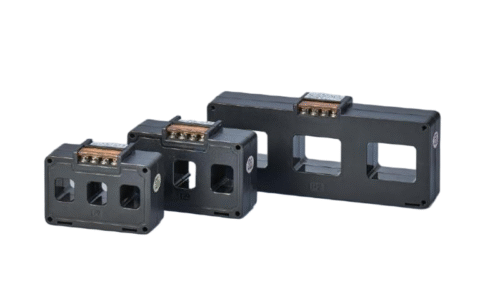
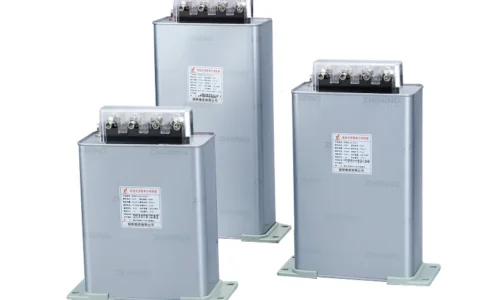
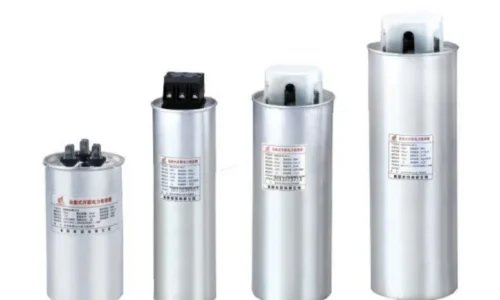
Walking past a heavy industrial substation, the sheer scale of the equipment is almost overwhelming. The air literally hums. Behind chain-link fences, massive metal structures handle thousands of volts of electricity, and tucked inside that maze of wiring is usually a current transformer, a device that does a very unglamorous but vital job. When looking at these massive power setups, one might wonder how technicians actually measure or control such dangerous levels of electricity without instantly vaporizing their equipment.
That is exactly where this specific technology enters the picture. It acts as a sort of translator between the dangerously high power of the main lines and the delicate instruments that engineers use to monitor the system.
Table of Contents
The Primary Duty of a Current Transformer in Modern Grids
Safety, pure and simple. That is really the foundational purpose here. Trying to hook up a standard electricity meter directly to a high-voltage transmission line would be a spectacular disaster. The power would simply overwhelm the internal components of the meter, resulting in a fire or explosion.
So, a current transformer sits quietly on the line, taking the massive primary electrical load and stepping it down to a proportional, manageable secondary current (which is usually around 1 amp or 5 amps). This makes it entirely safe to handle. It is fascinating to realize that the little spinning dials on a commercial power meter are actually responding to a safely reduced mirror image of the roaring electrical current outside.
Making High Power Manageable
Stepping down the power with a current transformer isn’t just about protecting the fragile physical meters. It is also about protecting the people reading them or working on the switchgear panels. Because the setup electrically isolates the measuring instruments from the high-voltage circuit, maintenance personnel can safely interact with the control panels without wearing extreme arc-flash suits for every minor check.
Common Areas You Will Find a Current Transformer Operating
If you spend enough time looking at commercial electrical schematics or walking through utility plant floors, a pattern starts to emerge. These devices are generally deployed for three very specific, everyday reasons:
Revenue metering: Utilities need to know exactly how much power a factory is consuming to bill them correctly month over month.
System protection: Relays need to know when a fault or short circuit occurs so they can trip the breakers before wires melt.
Power quality monitoring: Facilities track their internal loads to ensure heavy equipment is running efficiently and not drawing unbalanced loads.
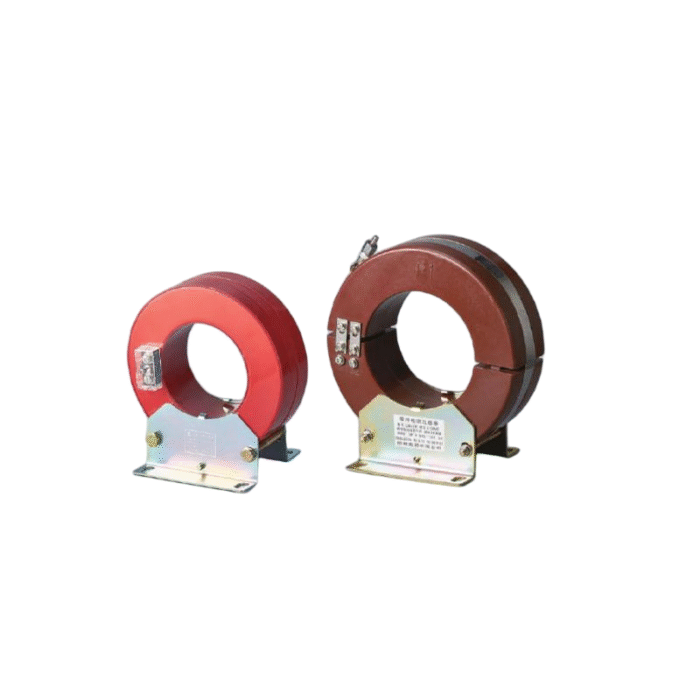
The Difference Between Metering and Protection
There is a distinct difference in how these units are built based on their daily tasks. Observing a substation setup closely, you will notice that devices meant for billing behave a bit differently than those meant for emergency protection during a power surge.
What to Consider When Applying a Current Transformer
Actually putting one of these into service requires a fair bit of precision. It is never just a matter of grabbing one off a shelf and clamping it onto a random wire. The surrounding electrical environment heavily dictates the required specifications.
When observing a commercial installation process, the sequence usually follows a few strict, methodical steps:
Determining the necessary ratio. The step-down ratio (something like 1000:5) has to perfectly match both the total load of the system and the reading dial of the meter.
Calculating the burden. This is essentially figuring out the total resistance of the wires and the connected meter combined. If the burden is too high, the measurement accuracy completely falls apart.
Verifying the polarity. Installing the device backwards (which honestly happens more often than you would think in the field) leads to reversed readings, completely messing up automated power calculations.
How a Current Transformer Impacts Daily Grid Safety
Without these stepped-down measurements, modern electrical grids simply could not function on an automated level. The automated protection relays that prevent neighborhood-wide blackouts rely entirely on the real-time data fed to them. When a heavy tree branch hits a power line during a storm, the current spikes violently. The current transformer instantly mirrors that massive spike on a much smaller scale, sending a signal to a protective relay which then trips the circuit breaker. This entire protective process happens in fractions of a second.
It is almost like a nervous system for the local power grid. The thick transmission wires are the nerves, but these transformers are the sensory organs telling the brain when to pull a hand away from a hot stove. If you want to know more about current transformer, please read What is the current transformer.
FAQ
What happens if the secondary circuit is left open while in operation?
Leaving the secondary circuit open while the primary wire is energized is extremely dangerous. The voltage on the secondary side will rapidly spike to lethal levels, potentially destroying the surrounding equipment and causing a severe arc flash. It must always be short-circuited or securely connected to a load.
Can a current transformer be used in a direct current (DC) system?
Generally, no. They rely heavily on the alternating magnetic field created by alternating current (AC) to induce the secondary current. For DC solar setups or battery systems, different technologies like Hall effect sensors or shunts are required to measure the flow.
Does the physical size of the wire matter when installing one?
Yes, the physical dimensions are quite important. The internal window of the device must be large enough to comfortably accommodate the primary conductor or busbar without forcing it, while ensuring the magnetic core can properly surround the magnetic field generated by the live wire.